
Flowers
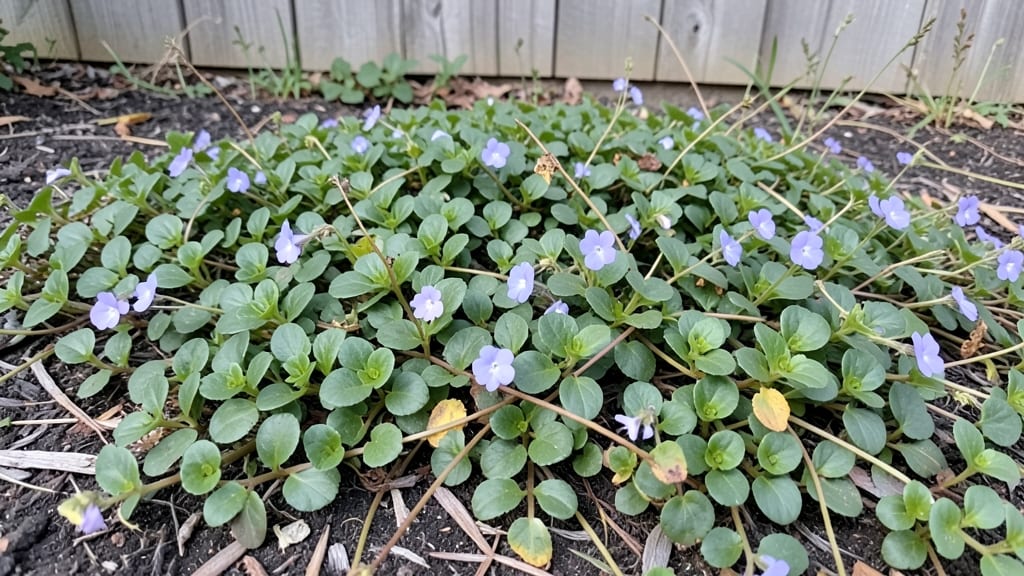
This hardy perennial vinca minor groundcover spreads like a living carpet that never quits—just plant it once and forget it, except for the occasional happy pruning. 🌿 I’ve watched mine choke out weeds for years with almost no work.
The key is getting the soil and sunlight right upfront, because once it’s established, this groundcover is basically indestructible.
This shade-loving plant thrives in partial to full shade, tolerates poor soil, and spreads aggressively—up to 12 inches per year if you let it. Most gardeners plant it in early spring or fall, spacing plants about 12-18 inches apart to give them room to fill in.
The first year is the only time you’ll need to water regularly; after that, it’s drought-resistant once roots take hold.
By summer, you’ll have a lush, dark green mat that stays vibrant all year, even in winter. It crowds out weeds, prevents soil erosion, and looks great under trees or along slopes.
The only real maintenance is an occasional trim to keep it tidy—no fertilizing, no fuss, just pure, reliable coverage.
Works in zones 3-9, so whether you’re in the South or Northeast, this is the groundcover that does it all. Here’s how to make it work for your yard without the usual groundcover headaches."
📚 In This Guide
- What you need
- Instructions
- Tips and common mistakes
- Wrapping up and next steps
What you need
- ● Vinca minor plants: 6–12 plants per 100 sq. ft. (choose healthy, well-rooted nursery starts). Pro tip: 💡 Opt for bare-root or container-grown varieties for flexibility!
- ● High-quality topsoil or garden soil: 2–3 cubic yards (enough to amend your planting area to a depth of 6–8 inches). Look for soil with good drainage.
- ● Compost or organic matter: 1–2 bags (for enriching soil, especially if it’s clay-heavy or sandy).
- ○ Mulch (optional but recommended): 2–3 bags of shredded bark, pine straw, or wood chips (2–3 inches deep) to retain moisture and suppress weeds.
- ● Garden shovel or spade: For digging and amending soil.
- ● Garden fork or tiller: To loosen compacted soil (especially in heavy clay areas).
- ● Garden hose or watering can: With a spray nozzle for gentle watering.
- ● Gloves: Heavy-duty work gloves to protect your hands.
- ○ Pruners or shears: For trimming and shaping (optional but handy for maintenance).
- ● Measuring tape or string: To mark planting areas and ensure even spacing.
- ● Wheelbarrow or bucket: For mixing soil amendments and hauling materials.
- ● Sunlight assessment: Vinca minor thrives in partial to full shade (2–6 hours of sun daily). Test your garden’s light conditions before planting.
- ○ Soil test (optional but helpful): Check pH (ideal range: 6.0–7.5) and nutrient levels. Many garden centers offer affordable test kits.
- ● Weed control plan: Clear the area of weeds and grass before planting to give vinca minor a competitive edge.
- ● Water source nearby: Ensure easy access for the first 2–3 weeks post-planting to establish roots.
Step-by-Step instructions for planting and establishing perennial vinca minor groundcover
Here's how I create a lush, evergreen carpet that thrives with minimal effort.
🌱 Step 1: Prepare the Planting Site for Optimal Spread
Vinca minor thrives in well-draining soil with 6-8 hours of sunlight daily, though it tolerates partial shade. Clear the area of weeds and loosen the top 6 inches of soil with a garden fork. Amend with 2-3 inches of compost to improve fertility and drainage—this prevents the roots from sitting in soggy conditions.
I like to rake the soil smooth afterward, creating a fine seedbed texture. The goal is to eliminate competition while giving the vinca roots room to establish quickly. For slopes or erosion-prone areas, vinca's deep root system will anchor the soil naturally once established.
🪴 Step 2: Plant Spacing and Initial Layout for Full Coverage
Plant 12-18-inch spacings between plants for a dense groundcover within 2-3 years. Dig holes just deep enough to accommodate the root ball without burying the crown—this prevents rot. Place plants in a staggered pattern to create an instant visual effect and reduce gaps.
Water each plant deeply right after planting to settle the soil and eliminate air pockets. I press the surrounding soil gently with my fingers to ensure good root-to-soil contact. For 4 plants, you'll need about 1 square yard of prepared ground to achieve full coverage in 2 seasons.
☀️ Step 3: Watering and Light Management for Strong Establishment
Keep the soil consistently moist for the first 4-6 weeks—water when the top 1-2 inches feel dry to the touch. Vinca minor is drought-tolerant once established, but young plants need regular moisture to develop a strong root system. Avoid overhead watering to prevent fungal diseases.
If your vinca starts to look leggy or sparse, it's getting too little light. While it tolerates shade, 4-6 hours of sun will encourage denser growth. You'll notice the leaves staying deep green and compact when light conditions are ideal.
✂️ Step 4: Pruning and Maintenance for Year-Round Appeal
Cut back any leggy stems in early spring to encourage bushier growth. I shear the vinca lightly with hedge shears to maintain a uniform height of 6-12 inches. This also prevents it from becoming too woody over time.
Remove any dead or yellowing leaves as they appear—this keeps the groundcover looking fresh and prevents disease. Vinca minor spreads primarily by underground runners, so you'll rarely need to divide or thin it unless it starts to crowd other plants.
Tips & tricks for perfect perennial vinca minor groundcover
Mastering vinca minor's spread takes just a few strategic moves—here's what I've learned after years of growing this reliable groundcover.
The Soil Secret: That 2-3 inches of compost in Step 1 isn't just about fertility—it creates the perfect air-to-water ratio vinca craves. I always mix in a handful of perlite or coarse sand if my native soil is heavy clay. This prevents the roots from suffocating while maintaining that critical drainage. The key is working the amendment into the top 6 inches, not just scattering it on top. Think of it as creating a sponge-like layer where roots can explore freely.
Plant Layout Logic: The 12-18 inch spacing in Step 2 might seem generous, but trust me on this—it's the difference between a patchy carpet and a seamless one. I use a simple string line and stakes to create perfect diagonal spacing. For slopes, I stagger plants in a herringbone pattern to prevent erosion while maintaining that natural, random look. Pro tip: Plant 20% more than you think you need—they'll fill in faster than you expect, especially in sunny conditions.
Watering Wisdom: Those first 4-6 weeks are make-or-break for root establishment. I set up a soaker hose on a timer for 15 minutes twice daily during this period—it keeps the top 1-2 inches consistently moist without waterlogging. The biggest mistake I see? People watering too deeply too soon. Vinca's shallow roots need frequent shallow watering, not infrequent deep soaks. You'll know you're doing it right when the soil feels like a wrung-out sponge at that 1-2 inch depth.
Light Management: While vinca tolerates partial shade, don't be fooled into thinking it thrives there. The 6-8 hours of sun recommendation in Step 1 is ideal for that deep green, compact growth you want. In shadier spots, you'll notice the leaves becoming lighter and more spaced out. I've found that even morning sun (which is cooler) makes a noticeable difference in density. If your vinca starts looking sparse after planting, it's probably begging for more light—just a few more hours can transform it from leggy to lush.
Pro Tips for Perennial Vinca Minor Groundcover
- Mastering vinca minor's spread takes just a few strategic moves—here's what I've learned after years of growing this reliable groundcover.
- The Soil Secret: That 2-3 inches of compost in Step 1 isn't just about fertility—it creates the perfect air-to-water ratio vinca craves.
- Plant Layout Logic: The 12-18 inch spacing in Step 2 might seem generous, but trust me on this—it's the difference between a patchy carpet and a seamless one.
Frequently asked questions
Got questions about growing Vinca minor as a groundcover? You’re not alone!
Here are answers to the most common ones—so you can enjoy its lush, evergreen beauty without the guesswork.
Is Vinca minor invasive, and how do I control its spread?
Vinca minor is not highly invasive but can spread aggressively in ideal conditions (shade, rich soil). To manage it, mow or trim it back in early spring before new growth emerges. For tighter control, plant in contained beds with edging or mulch barriers. Pruning also encourages bushier, denser growth!
When is the best time to plant Vinca minor?
Plant Vinca minor in early spring or early fall for the best root establishment. Avoid extreme heat or frost, as these can stress young plants. Pro tip: Water deeply after planting to reduce transplant shock, and keep soil moist for the first few weeks.
Does Vinca minor attract pests or diseases?
This hardy groundcover is pest- and disease-resistant, but aphids or slugs may occasionally appear. Solution: Spray with water to deter aphids or use organic slug bait. Overwatering can cause root rot, so ensure well-draining soil.
What are some great alternatives to Vinca minor?
If you’re looking for similar low-maintenance, shade-tolerant groundcovers, consider:
- Pachysandra terminalis (prefers shade, great for woodland gardens)
- Liriope muscari (grass-like, drought-tolerant, handles sun/shade)
- Ajuga reptans (colorful foliage, spreads quickly, attracts pollinators)
- Sedum (Stonecrop) (sun-loving, drought-resistant, but not shade-tolerant)
How do I revive dying or leggy Vinca minor?
Leggy or sparse growth often means too much sun or poor soil. Fix it:
- Prune back 1/3 of the plant in early spring to encourage denser regrowth.
- Add compost or mulch to improve soil fertility.
- Ensure it’s in partial to full shade (it struggles in hot, dry sun).
Wrapping up and next steps
Ready to transform your garden with Vinca minor? This hardy, low-maintenance groundcover is your ticket to lush, year-round greenery with minimal effort—perfect for shady spots, slopes, or as a living mulch. Whether you’re a seasoned gardener or just starting out, its resilience and adaptability make it a must-have for effortless beauty.
🌱 Next steps: Grab your gloves, pick a shady corner, and plant your first Vinca minor this weekend! Need inspiration? Sketch a simple design or snap a photo of your space to plan your layout. Happy gardening—your future garden will thank you! 🌿