
Vegetables
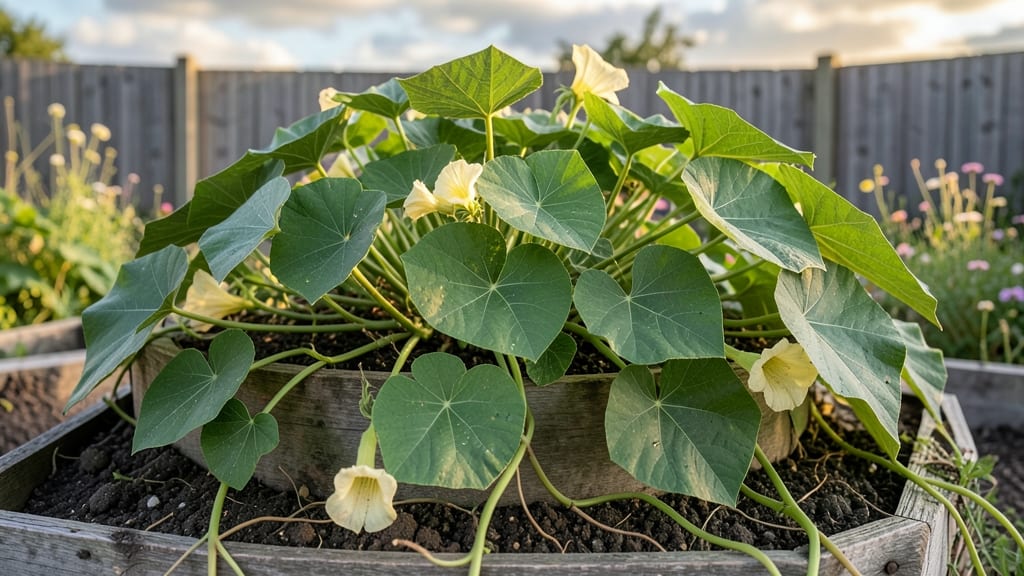
Sweet potatoes are perennial plants that can regrow for years in frost-free climates, but most gardeners in cooler regions harvest them as annuals because cold temperatures kill the vines and damage the roots.
This botanical quirk comes from their natural survival strategy: sweet potatoes store energy in their starchy roots, allowing them to regenerate from even small pieces left in the soil. 🌱 In tropical zones like Florida or Hawaii, gardeners often let them grow year-round, while in colder areas, the plants simply don't survive winter's freeze.
The key difference lies in how quickly they regrow—tropical sweet potatoes might sprout new vines within weeks, while temperate-zone varieties take months to recover if they survive at all.
For home gardeners, this means treating them as annuals isn't about the plant's biology, but about practical growing conditions. Many varieties actually can come back if you protect the roots with thick mulch or grow them in containers that can be moved indoors during winter.
The trade-off? Perennial growth often means smaller yields in the first year as the plant focuses on rebuilding its root system rather than producing large tubers.
💡 In This Article
- Sweet Potato Root and Climate Survival Secrets
- Growing Sweet Potatoes as Annuals: Practical Harvest Tips
Sweet potato root and climate survival secrets
Sweet potatoes thrive as perennials because their survival hinges on a clever underground strategy. In tropical climates, they store energy in their starchy roots (not true potatoes) during dormancy, allowing them to regenerate from even small fragments left in the soil.
These roots contain 15-20% starch by weight, acting like natural batteries that fuel regrowth when conditions improve. In places like Puerto Rico or the Caribbean, sweet potatoes can sprout new vines within 3-4 weeks of favorable temperatures returning.
The magic happens through a process called tuber dormancy. Unlike annuals that die back completely, sweet potato roots enter a semi-dormant state where they maintain just enough metabolic activity to survive dry seasons or mild winters.
Their fibrous root system spreads horizontally, creating a network that can regenerate shoots from multiple points. This is why gardeners in warm climates often see sweet potatoes "volunteer" in subsequent years—small root pieces left behind can produce new plants. 🌱
In temperate zones, however, the story changes dramatically. Sweet potatoes lack the cold hardiness of true perennials like asparagus or rhubarb. Their vines die at temperatures below 40°F, and frost damages the roots' delicate cell structure.
What's more, the 10-12 week growing season in most U.S. zones simply doesn't provide enough time for roots to fully regenerate before winter arrives. The energy stored in the roots gets depleted trying to produce new growth, leaving them vulnerable to rot or freezing.
Here's where the science gets interesting: sweet potatoes have a thermoperiodic response—their growth rate accelerates when nighttime temperatures stay above 65°F. This explains why tropical varieties grow so vigorously year-round while temperate varieties struggle to recover.
The root's ability to regenerate also depends on moisture levels—dry conditions trigger deeper dormancy, while consistent humidity keeps metabolic processes active. This is why gardeners in Florida can often harvest sweet potatoes twice a year, while those in Ohio might get only one harvest before winter.
What most gardeners don't realize is that sweet potatoes actually have two types of roots: the edible storage roots we harvest, and fibrous feeder roots that spread horizontally. These feeder roots can produce new shoots even when the main storage roots appear damaged.
In ideal conditions, a single 1-inch root piece can generate a full plant with 10-15 new shoots in just 6-8 weeks. This regenerative capacity is why some tropical farmers consider sweet potatoes "self-perpetuating" crops.
The contrast between tropical and temperate growing becomes clear when you compare regrowth timelines. In Hawaii, sweet potatoes might produce new vines within 21-28 days of rain and warm soil, while in Virginia, the same process could take 90-120 days—if the roots survive winter at all.
The key difference lies in the plants' ability to maintain active growth during cooler months, something that simply doesn't happen in frost-prone regions. 💫