
Plants
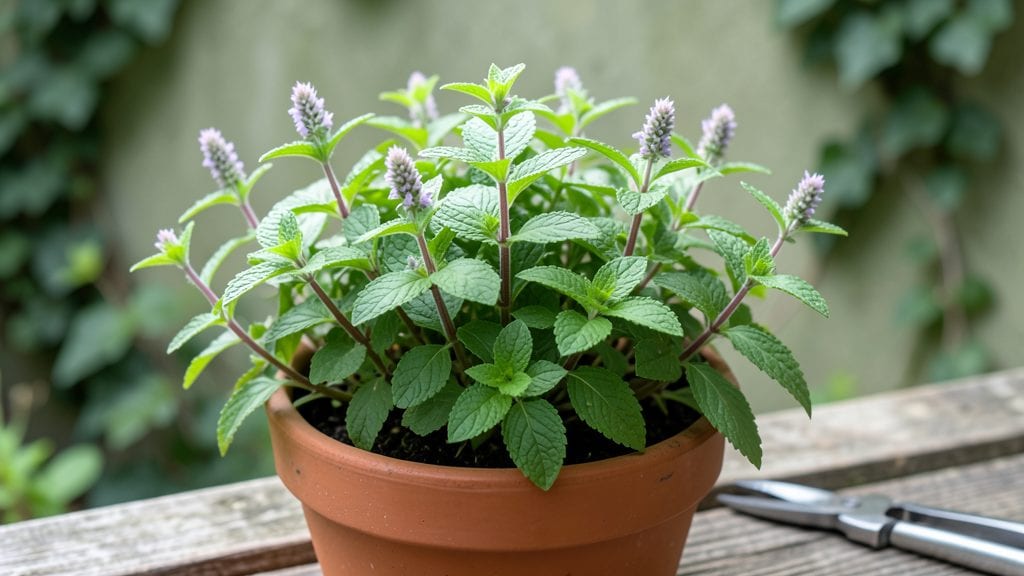
Sweet mint is a perennial plant that thrives for multiple years in ideal conditions, though it often dies back to the ground in winter before regrowing in spring. Its hardiness and rapid spread make it a long-lived garden staple with proper care.
Sweet mint earns its perennial reputation by developing deep, woody roots that survive harsh winters in many climates. 🌱 Unlike annual herbs that complete their life cycle in one season, sweet mint’s roots remain dormant underground during cold months, then burst back to life when temperatures rise.
This resilience explains why it’s a favorite for gardeners—once established, it can thrive for a decade or more with minimal effort, though aggressive spread may require occasional maintenance.
What sets sweet mint apart is its adaptability to various growing zones, typically thriving in USDA zones 3 through 11. However, its winter behavior varies by region—northern growers often see complete dieback, while milder climates may retain some foliage year-round.
The key to maximizing its lifespan lies in understanding its growth habits and providing consistent care, from proper pruning to soil preparation.
💡 In This Article
- Sweet Mint’s Perennial Growth Cycle Explained
- How to Extend Sweet Mint’s Perennial Lifespan
Sweet mint’s perennial growth cycle explained
Sweet mint’s perennial nature begins with its robust root system, which can extend 2-3 feet deep into the soil. These fibrous, woody roots store carbohydrates during the growing season, fueling regrowth when conditions improve.
Unlike annual herbs that rely on seeds for reproduction, sweet mint’s underground network allows it to survive years of environmental stress—including droughts and freeze-thaw cycles—by tapping into stored energy reserves. 🌱 This root structure also explains why sweet mint spreads aggressively: each root node can produce new shoots when separated from the mother plant.
The plant’s dormancy cycle is triggered by consistent temperatures below 40°F, when metabolic activity slows to a crawl. In colder climates (USDA zones 3-7), sweet mint typically dies back to the ground, with only the roots remaining active.
What’s fascinating is how these roots maintain viability even after months of dormancy—studies show sweet mint roots can survive up to 6 months without visible growth if soil moisture remains adequate. Compare this to peppermint, which often dies back more dramatically in winter due to its shallower root system.
Regrowth begins when daytime temperatures consistently reach 50-55°F for at least 3-5 days, signaling the roots to send up new shoots. Soil moisture plays a critical role here—roots need adequate hydration to break dormancy, which is why spring rains often trigger mint’s revival.
The plant’s rapid regrowth (sometimes within 2-3 weeks of warm weather) contrasts sharply with annual herbs like basil, which must germinate from seed each year—a process that takes 4-6 weeks under ideal conditions.
Sweet mint’s longevity advantage comes from its ability to self-propagate through both seeds and vegetative growth. While it does produce seeds, its primary survival strategy is rhizome expansion—horizontal stems that grow underground and form new plants.
This explains why established sweet mint patches can spread 3-5 feet per year if unchecked. The trade-off? This aggressive growth makes it more invasive than other perennials like thyme or oregano, which spread more slowly and require less maintenance.
What most gardeners don’t realize is how sweet mint’s growth cycle adapts to local conditions. In warmer climates (zones 8-11), it may grow year-round with minimal dieback, while northern plants develop thicker root systems as a cold-hardiness adaptation.
This regional variation means your care approach should adjust—northern growers need more aggressive winter protection, while southern gardeners focus on moisture control during summer’s heat. 💫
The plant’s ability to regenerate from even small root fragments (as little as 1 inch) makes it remarkably resilient. This trait explains why sweet mint often returns even after being accidentally dug up or overrun by other plants.
For comparison, annual herbs like cilantro or dill must be replanted each season, making sweet mint’s persistence particularly valuable for gardeners seeking low-maintenance greenery.