
Flowers
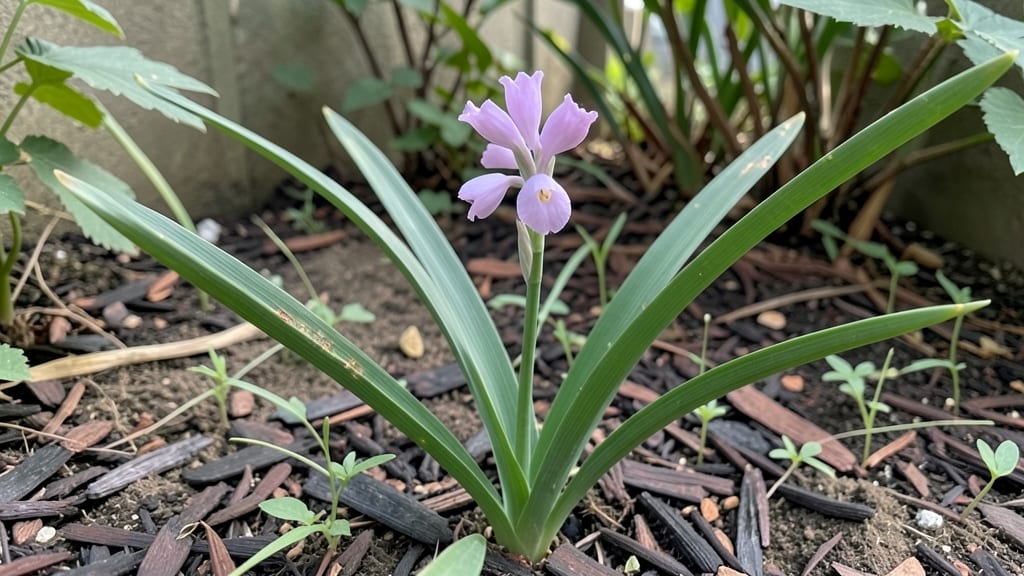
Freesia isn't a true perennial in most climates, as it dies back after spring or summer blooms and needs annual replanting. However, in frost-free zones (USDA 9-11), it can act as a tender perennial with proper winter protection like mulching or container growing.
Freesia's behavior stems from its tuberous root system, which stores energy but struggles with freezing temperatures.
Unlike hardy perennials like lavender, freesia's growth cycle is more like a bulb—it thrives for one season before needing dormancy. 🌱 In colder regions, gardeners often treat freesia as an annual because the tubers rarely survive winter exposure.
The key difference lies in how each plant handles temperature shifts: true perennials regrow from their roots, while freesia relies on protected tubers to persist.
Even in mild climates, freesia's lifespan depends on careful winter prep. Without protection, tubers can rot or dry out, forcing replanting. I've found that lifting and storing tubers in a cool, dry place—like a paper bag with peat moss—extends their life dramatically.
This approach mimics their natural dormancy period and prevents the common mistake of leaving them exposed to winter rains or frost.
💡 In This Article
- Freesia Lifecycle: Why It Dies Back Annually
- Extending Freesia’s Life: Winter Care for Cold-Climate Gardens
Freesia lifecycle: why it dies back annually
The freesia's annual cycle begins with its tuberous root system, which stores nutrients but lacks the cold-hardiness of true perennials. Unlike hardy plants like lavender or hosta that regrow from deep root systems, freesia relies on corms—thickened underground stems—that are highly sensitive to freezing temperatures.
When exposed to below 32°F for extended periods, these corms lose viability, triggering the plant's annual die-back. 🌱
Here's what happens botanically: Freesia enters dormancy after blooming, but its corms don't have protective layers like onions or tulips. In USDA zones 5-8, even light frosts can cause irreversible damage to the corm's cellular structure, preventing regrowth.
The plant's natural lifecycle mirrors that of summer bulbs—it focuses all energy on one spectacular bloom cycle rather than gradual, multi-year development.
Compare this to true perennials: Lavender, for example, has woody stems that survive winter exposure, while hosta develops robust rhizomes that regenerate annually. Freesia's growth pattern is more similar to gladiolus or canna, which also die back to underground storage organs each year.
The key difference is freesia's shorter dormancy period—its corms need to be lifted and stored properly to survive even mild winters.
Temperature fluctuations play a critical role. In USDA zones 9-11, freesia can persist as a tender perennial because winter temperatures rarely drop below 40°F for long. Here, the plant's natural dormancy aligns with the climate's mild winter conditions.
However, in colder zones, gardeners must intervene with mulching or container growing to mimic these frost-free conditions and protect the corms.
What most gardeners don't realize is that freesia's annual behavior isn't a flaw—it's an adaptation. The plant evolved in South Africa's Mediterranean climate where winters are cool but rarely freezing. When grown outside this range, its survival depends entirely on human intervention to replicate these conditions.
This is why freesia is often treated as an annual in most gardens, despite its potential for perennial behavior in ideal climates.
The science behind this involves cellular dehydration—when corms freeze, their water content crystallizes and ruptures cell walls. Even a single night at 25°F can reduce germination rates by 50%.
This is why proper winter storage is critical: maintaining 40-50°F temperatures with 50-60% humidity preserves the corms' viability until spring planting.