
Flowers
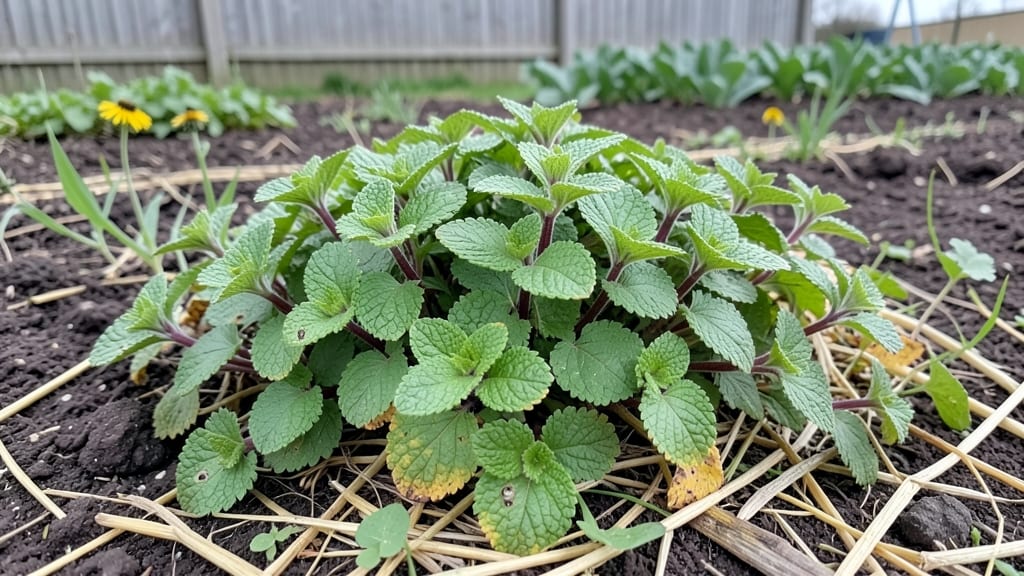
Spearmint is indeed a perennial herb that thrives for multiple years with proper care, returning stronger each spring in USDA hardiness zones 3 through 9, though it may die back in winter before regrowing.
This hardy herb survives winters by going dormant—its roots stay alive underground even when the above-ground foliage freezes. 🌱 Unlike annual herbs that need replanting yearly, spearmint's deep root system stores energy to fuel rapid regrowth once temperatures warm.
In colder zones (like 3-5), a thick layer of mulch can make all the difference between a plant that recovers and one that struggles."
What sets spearmint apart is its adaptability—it handles everything from full sun to partial shade, though it produces the most vigorous growth in 6+ hours of sunlight daily.
The key to maximizing its lifespan lies in regular pruning (cutting back in early spring) and dividing mature clumps every 3-4 years to prevent overcrowding. Container growing also works well for gardeners in zones 10+, where winter protection becomes critical."
💡 In This Article
- Spearmint Growth Cycle and Cold Resistance
- Cultivating Spearmint Long-Term for Maximum Yield
Spearmint growth cycle and cold resistance
Spearmint's perennial nature hinges on its deep, fibrous root system that can extend 2-3 feet underground. Unlike annual herbs like basil, which die completely after their first growing season, spearmint roots store carbohydrates during the growing season to fuel regrowth.
This energy reserve allows the plant to survive winter dormancy in zones 3-9, where temperatures can drop to -30°F to 20°F. The roots themselves remain active beneath the frost line, maintaining cellular integrity until spring warmth triggers new shoot growth.
The dormancy process begins when nighttime temperatures consistently stay below 40°F for several weeks. At this point, the plant's metabolic rate slows dramatically, and chlorophyll production halts, causing the above-ground stems to turn brown and die back.
However, the root crown (the thickened base where roots and stems meet) remains alive, protected by a natural insulating layer of soil. This is why spearmint often looks "dead" in winter—only to burst back with fresh green shoots when daytime temperatures reach 50°F+. 🌱
Here's where hardiness zones come into play: Spearmint's cold tolerance varies by cultivar, but most varieties can handle zone 3's extreme winters (-40°F) when properly established. The key difference between zones 3-5 and 6-9 lies in winter preparation.
In colder zones, mulching with 4-6 inches of straw or shredded leaves creates an insulating blanket that can raise soil temperatures by 5-10°F, protecting the root crown. In warmer zones (6-9), spearmint may stay green year-round but benefits from light winter pruning to prevent legginess.
Comparing spearmint to annual herbs like basil reveals a fundamental difference in growth strategy. Basil's shallow root system (1 foot deep) stores minimal energy, while spearmint's extensive roots create a network that can regenerate from multiple points.
This is why you can often find spearmint regrowing from a single root fragment left in the soil—something impossible with annual herbs. The trade-off? Spearmint's vigorous growth means it can become invasive if not contained, spreading via both seeds and underground runners.
What most gardeners don't realize is that spearmint's cold resistance improves with age. Younger plants (1 year old) are more vulnerable to winter kill because their root systems aren't fully developed.
By year three, however, established spearmint plants develop a robust root mass that can better withstand temperature fluctuations. This is why dividing mature clumps every 3-4 years actually increases the overall health of your spearmint patch—each division starts with a well-developed root system ready to establish quickly.
The science behind this resilience lies in spearmint's ability to produce antifreeze proteins during cold acclimation. These proteins bind to ice crystals in plant cells, preventing them from growing large enough to rupture cell walls—a process similar to how some fish survive in Arctic waters.
This biological adaptation explains why spearmint often recovers from winters that would kill more delicate perennials like thyme or oregano. 💫