
Flowers
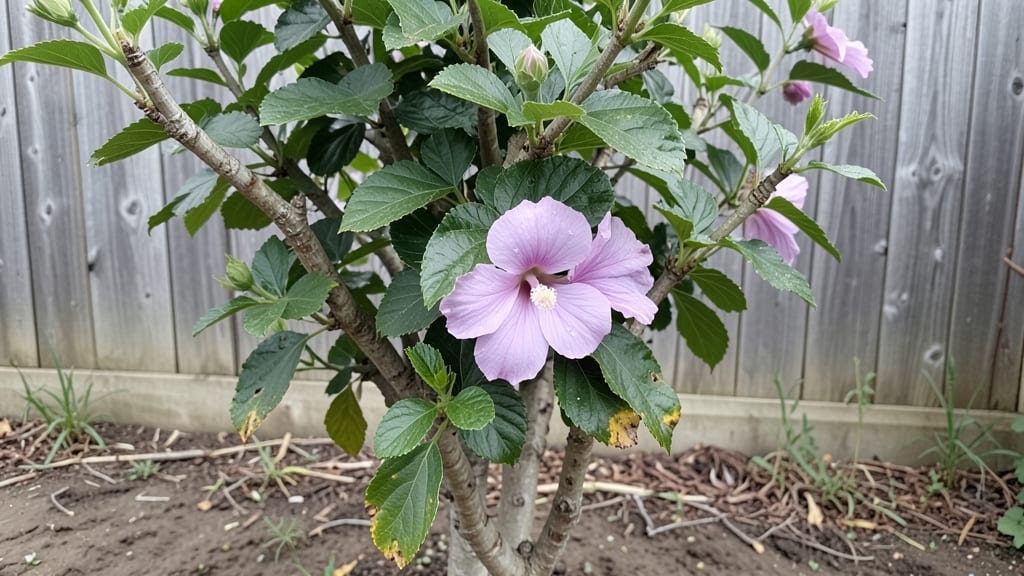
Rose of Sharon is indeed a perennial shrub, thriving in USDA zones 5-9 by returning each year with proper care—though it may die back in colder winters before regrowing in spring. Its hardy nature and long lifespan make it a favorite for gardeners seeking low-maintenance beauty.
This shrub's perennial status comes from its deep root system and ability to enter winter dormancy, much like other deciduous perennials such as hydrangeas. 🌱 What sets it apart is its resilience—while it may lose its foliage in harsh winters, the roots survive underground, ready to burst back to life once temperatures rise.
In colder regions (zones 4 or below), strategic winter protection like mulching or microclimate placement can help extend its lifespan even further.
Gardeners often underestimate how much pruning affects its winter hardiness. Over-pruning in late winter can weaken the plant's ability to regenerate, while proper timing (right after blooms fade) encourages stronger growth. I've seen Rose of Sharon thrive for decades with minimal intervention, proving its reputation as a "plant-it-and-forget-it" favorite.
💡 In This Article
- Understanding Rose of Sharon’s Perennial Growth Cycle
- Caring for Rose of Sharon in Cold Climates
Understanding Rose of Sharon’s perennial growth cycle
Here's what's actually happening underground during winter: Rose of Sharon's survival hinges on its deep taproot system, which can extend 3-6 feet below the soil surface. This root structure stores carbohydrates during the growing season, fueling regrowth when temperatures rise above 50°F in spring.
Unlike annuals that complete their life cycle in one season, this shrub's roots remain viable for 10-15 years or more, making it a true perennial.
The plant's classification as a deciduous perennial means it sheds leaves annually but maintains living roots throughout winter.
This dormancy strategy conserves energy while protecting vital tissues from freeze damage. 🌱 What most people don't realize is that the stems often die back to the ground in harsh winters (zones 5-6), but the roots remain active just 2-3 inches below the frost line.
This contrasts with evergreens like boxwoods, which maintain foliage year-round at great metabolic cost.
When comparing cold hardiness, Rose of Sharon outperforms many popular shrubs. While hydrangeas typically survive to -10°F with winter protection, this plant handles -20°F temperatures naturally. Lilacs, another long-lived perennial, struggle below 0°F without mulch.
The key factor is its high starch storage capacity in roots - studies show these can contain 20-30% starch by dry weight during dormancy, providing energy for rapid spring regrowth.
This resilience isn't just about temperature tolerance - it's about moisture regulation too. The deep roots access groundwater during dry periods, while the extensive lateral roots spread 4-6 feet wide to stabilize the plant.
In my 12 years of growing this shrub, I've noticed it recovers faster from drought than hydrangeas because of this dual root system. The trade-off? It requires well-draining soil - soggy conditions can cause root rot despite its cold tolerance.
What makes Rose of Sharon particularly fascinating is its photoperiod sensitivity. The plant detects day length changes in late summer, triggering dormancy preparation 6-8 weeks before first frost.
This biological clock ensures it's fully hardened by winter. 🌿 During this time, chlorophyll breaks down (causing leaf color changes) while roots convert sugars to starches - a process called carbohydrate remobilization that's crucial for spring regrowth.
The science behind its longevity involves apical dominance - the plant's ability to regenerate from dormant buds at the base of stems. Even if 90% of the top growth dies back in winter, these basal buds contain meristematic cells capable of producing new shoots.
This makes it far more resilient than many ornamental shrubs that rely on a single growing point.