
Flowers
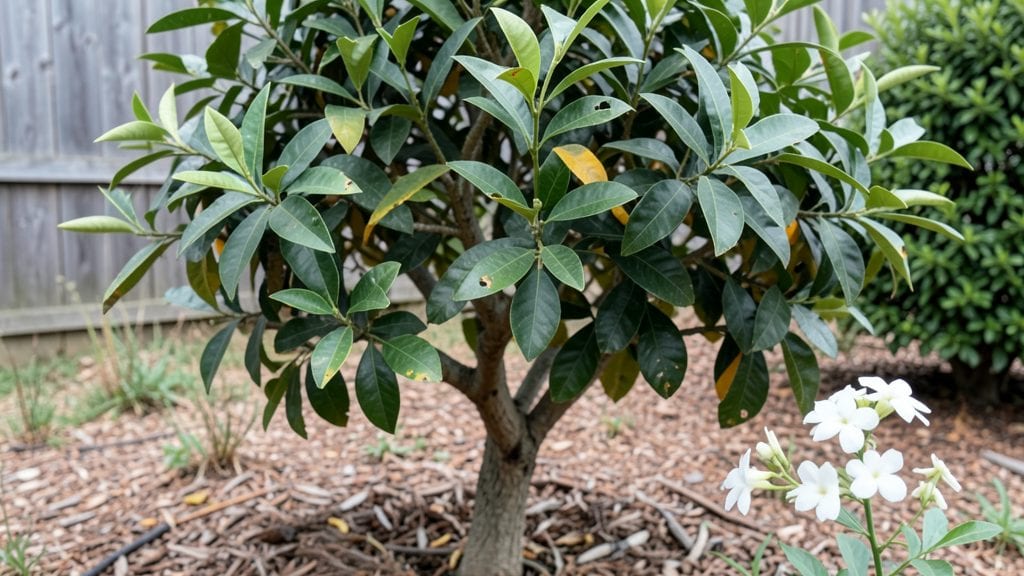
Orange Star (Canna 'Orange Star') is a perennial in USDA zones 8-11, thriving as a tender perennial where winters are mild. In colder climates, it dies back annually but regrows from rhizomes each spring, making it a seasonal favorite for gardeners in frost-prone areas.
This tropical beauty behaves like a true perennial in warm climates but acts more like a seasonal workhorse elsewhere. 🌱 The key lies in its underground rhizomes, which store energy during winter dormancy—think of them as nature's built-in survival kit.
While it won't survive freezing ground in zones below 8, many gardeners in colder areas treat it as an annual that magically returns year after year with proper care.
What's fascinating is how its vibrant foliage and dramatic blooms make it worth the seasonal commitment, even when it requires a little extra winter TLC.
For those in frost-prone regions, the plant's ability to regrow from just a small piece of rhizome makes it incredibly resilient.
This trait explains why so many gardeners in zones 5-7 still grow Orange Star—they simply dig up the tubers before frost, store them in a cool dry place, and replant in spring. The trade-off?
You get to enjoy its bold colors and tropical vibe for a full growing season each year.
💡 In This Article
- Orange Star Plant Life Cycle and Seasonal Behavior
- Overwintering Orange Star in Cold Climates
Orange Star plant life cycle and seasonal behavior
Here's what's actually happening underground during Orange Star's seasonal cycle: This tropical plant stores all its energy in thick, fleshy rhizomes that can survive 20-30°F temperatures for short periods.
Unlike true perennials that maintain above-ground growth year-round, Orange Star goes completely dormant in winter, shedding all foliage when nighttime temperatures drop below 40°F. The rhizomes enter a state of metabolic slowdown, conserving stored starches and sugars that fuel spring regrowth. 🌱
The key difference from true perennials lies in its tropical origins—native to Central America, Orange Star evolved in environments with consistent warmth. Its hardiness limit of USDA zone 8 reflects this: the plant can tolerate brief cold snaps but won't survive prolonged freezing.
What's remarkable is how these rhizomes can remain viable for years in proper storage conditions, explaining why gardeners in colder zones treat it as a "self-replenishing annual."
Spring regrowth begins when soil temperatures reach 60°F, triggering hormonal changes that break dormancy. You'll notice new shoots emerging from the rhizomes' nodes, often within 2-3 weeks of planting.
The plant's rapid growth rate—up to 2 feet per season—makes it a dramatic seasonal performer, unlike slow-growing perennials that take years to establish. This explains why it's often used as a summer focal point in garden beds.
What most people don't realize is how the plant's leaf structure changes seasonally: New growth emerges with vibrant orange-red hues that deepen in sunlight, while mature leaves develop darker green undersides. This color shift isn't just aesthetic—it's a survival adaptation that helps regulate temperature in its tropical native habitat.
The large, broad leaves maximize photosynthesis during the growing season while minimizing water loss through their waxy coating.
Comparing it to annuals reveals another interesting trait: While both die back in winter, Orange Star's rhizomes contain 5-10 times more stored energy than annual seeds. This allows it to produce larger, more vigorous plants each season without needing to start from scratch.
The trade-off? Its seasonal dormancy means it requires more winter care in colder climates than true perennials that remain active underground.
For gardeners in marginal zones (7-8), the plant's ability to regrow from just 1-inch rhizome pieces makes it particularly valuable. This propagation method works because each node contains dormant buds capable of forming new plants.
The science behind this involves auxin hormones that regulate cell division at these growth points—similar to how potato eyes sprout new tubers. 💫
Understanding this cycle helps explain why Orange Star thrives in containers: The controlled environment allows gardeners to move plants indoors before frost, preserving the rhizomes' viability. This container-friendly nature makes it an excellent choice for urban gardeners who might otherwise face space limitations with true perennials.