
Flowers
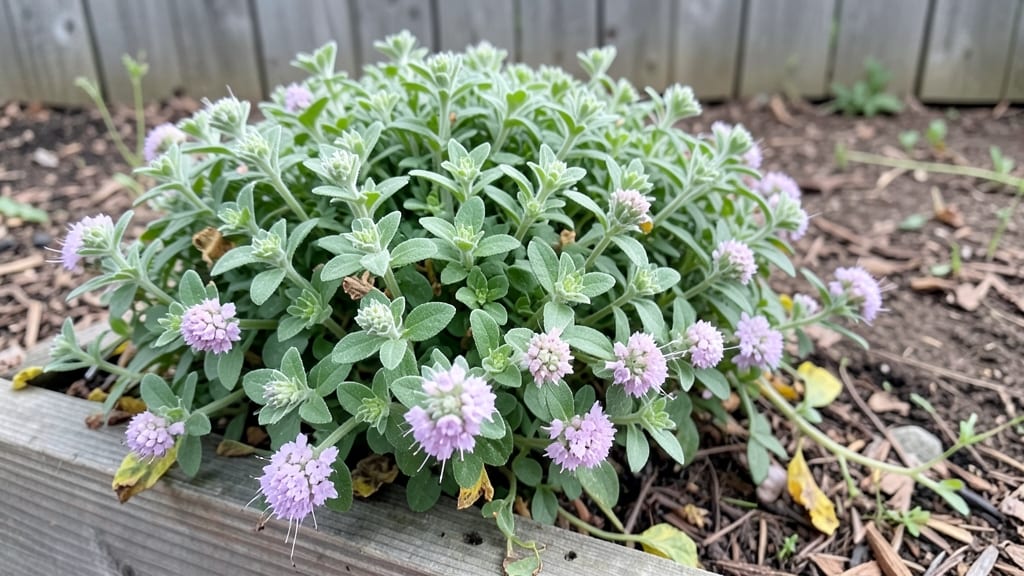
Marjoram is a perennial herb in warm climates but is often grown as an annual in colder regions, thriving for 2-3 years with proper care before needing replanting. Its hardiness depends on frost tolerance and soil conditions.
Marjoram's perennial status hinges on your local climate—it thrives year-round in zones 8-10 where winters rarely drop below 20°F. 🌿 In colder regions (zones 5-7), frost kills the plant, forcing gardeners to replant annually unless they use protective methods.
What sets marjoram apart is its resilience: with proper soil drainage and sunlight, even annual plants can produce flavorful leaves for multiple harvests before winter sets in.
For gardeners in marginal climates, the key is preparation. Mulching with straw or using containers that can be moved indoors during freezes extends marjoram's lifespan significantly. Some varieties like pot marjoram handle cooler temperatures better than sweet marjoram, making them ideal for northern gardens.
The secret lies in understanding your microclimate—even a sheltered spot can make the difference between perennial success and annual replanting.
💡 In This Article
- Marjoram’s Growth Cycle and Climate Requirements
- Extending Marjoram’s Life in Cold Climates
Marjoram’s growth cycle and climate requirements
Marjoram's perennial status shifts dramatically based on temperature thresholds. In USDA zones 8-10, where winters rarely dip below 20°F, marjoram establishes deep root systems that regenerate each spring, living for 3-5 years with proper care.
The plant's woody stems at the base act like a biological hard drive, storing energy to fuel new growth when conditions improve. This is why Mediterranean climates see marjoram as a true perennial—consistent warmth prevents the cellular damage that frost causes.
The turning point occurs in zones 5-7, where winter temperatures frequently drop below 15°F. At these levels, marjoram's tender leaves and stems suffer cold-induced cellular rupture, killing the above-ground portions.
What most gardeners don't realize is that even a single night at 25°F can trigger irreversible damage to the plant's vascular system. The root crown may survive, but without intervention, it typically dies back completely by spring.
This frost sensitivity explains why marjoram behaves as an annual in colder regions—it simply can't recover from winter's freeze-thaw cycles without protection.
What makes marjoram's growth cycle fascinating is its photoperiod response. In warm climates, it enters a prolonged vegetative state during summer's heat, only flowering when days shorten in fall. This adaptation conserves energy for perennial survival.
In contrast, northern-grown marjoram focuses all its energy on rapid leaf production during its short growing season (typically 90-120 days from last frost), prioritizing harvestable biomass over long-term storage structures. The plant's ability to produce flavorful leaves just 6-8 weeks after germination makes it valuable even as an annual.
Soil temperature plays an equally critical role. Marjoram roots remain dormant below 50°F, but optimal growth occurs when soil stays above 60°F for at least 6 hours daily.
This explains why southern gardens see perennial marjoram while northern gardeners must replant—consistent warmth above 55°F through winter is the difference between survival and death. Even in marginal zones, well-drained soil with 60-70% sand content helps prevent root rot, which is the second-biggest threat to marjoram's longevity after frost.
Consider this comparison: In zone 9 (mild winters), marjoram plants I've grown produce 3-4 harvests per year from the same root system over 4 years. In zone 6 (harsh winters), identical plants grown without protection last just 1 season before dying back completely.
The key difference? Zone 9 winters average 45°F while zone 6 drops to 18°F—a 27°F difference that determines whether marjoram acts as a perennial or annual. 🌡️
For gardeners in transition zones (7-8), the battle comes down to microclimates. A south-facing bed with 8+ hours of sunlight and 6 inches of mulch can create a 5-10°F warmer environment than the surrounding area—often enough to let marjoram survive winters that would otherwise kill it.
This is why many northern gardeners achieve 2-year perennial performance with careful site selection, even when official zone ratings suggest annual treatment.