
Orchid Care
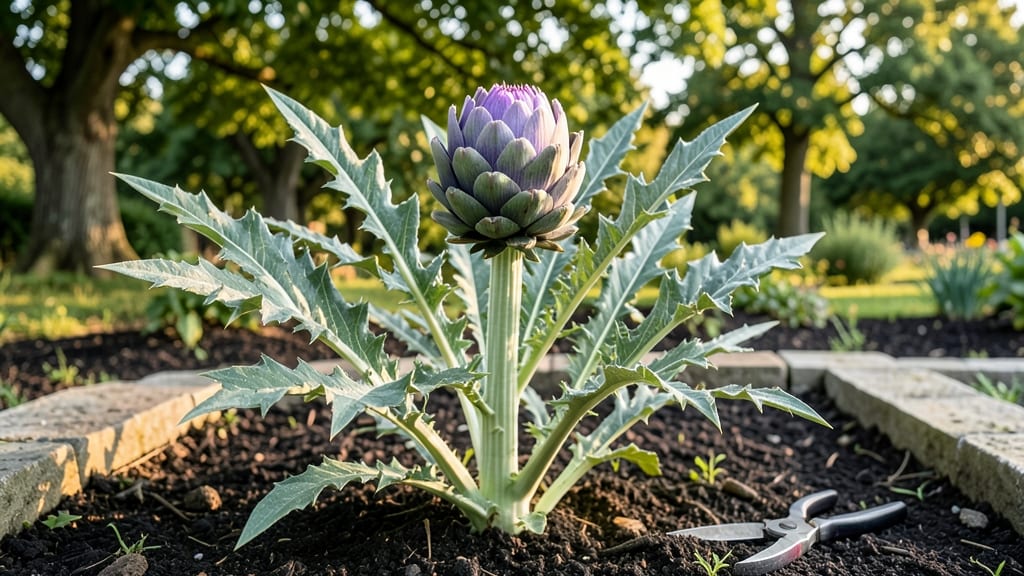
Artichokes are perennial in warm climates but are typically grown as annuals in colder regions, where frost kills the plant. With proper winter protection, they can survive multiple years, yielding larger harvests over time.
Whether an artichoke thrives as a perennial or behaves like an annual depends entirely on your local climate. 🌱 In Mediterranean regions—where temperatures rarely dip below freezing—artichoke roots naturally persist through winters, sending up new shoots each spring.
However, in colder zones (USDA hardiness zones 7 and below), even hardy varieties like 'Green Globe' struggle without protection, making them functionally annuals. The key difference lies in root hardiness: while some varieties can tolerate brief cold snaps, prolonged frost will inevitably damage the crown, forcing gardeners to replant yearly.
This distinction matters because perennial artichokes reward patience with bigger yields over time. 🌿 Once established, their extensive root systems allow them to draw nutrients from deeper soil layers, producing larger, more flavorful buds. In contrast, annual plantings require more frequent replanting but may offer consistent harvests in short-season climates.
The choice between perennial and annual growing hinges on balancing your local frost dates with your willingness to invest in winter protection.
💡 In This Article
- How Climate Affects Artichoke Plant Longevity
- Tips for Overwintering Artichoke Plants
How climate affects artichoke plant longevity
Artichoke plants thrive as perennials because their deep, fibrous root systems can survive winter dormancy in frost-free zones. In Mediterranean climates (USDA zones 9-11), where temperatures rarely drop below 30°F, these roots remain active or semi-dormant, regrowing vigorously each spring.
The plant's natural hardiness stems from its ability to store carbohydrates in roots during winter, fueling new growth when conditions warm. This perennial behavior mirrors other hardy vegetables like asparagus, which also rely on robust root systems for multi-year productivity.
The critical threshold for artichoke survival lies between 25-30°F—below this, even hardy varieties like 'Green Globe' suffer irreversible damage to their crowns. In colder regions (zones 7 and below), where winter lows often reach 15°F or lower, artichokes behave as annuals because frost penetrates their unprotected tissues.
The Mediterranean climate's mild winters create ideal conditions for perennial growth, while temperate zones force gardeners to treat them as annuals unless they implement protective measures. This climate dependency explains why artichokes flourish in California's coastal regions but struggle in Minnesota without intervention.
Root hardiness plays a pivotal role in determining whether artichokes persist through winter. Varieties like 'Violetto' develop thicker, more insulated root systems that tolerate brief cold snaps better than others. However, even these varieties can't withstand prolonged freezing.
The root's ability to regenerate depends on soil temperature—warmer soils (50°F+) allow roots to remain metabolically active, while colder soils (40°F) trigger dormancy. This physiological response explains why Mediterranean artichokes continue growing through mild winters while northern plants must enter full dormancy.
Another key factor is the plant's growth cycle timing. In perennial climates, artichokes begin producing buds as early as 60 days after sprouting, with continuous harvests possible throughout the growing season. In annual growing regions, gardeners must replant each spring because winter-killed plants can't regenerate.
This cycle difference results in Mediterranean gardens producing 30-50% larger yields over multiple years compared to annual plantings. The trade-off between perennial benefits and cold-climate challenges creates a clear geographic divide in artichoke cultivation practices.
What most gardeners overlook is how soil composition affects root hardiness. Sandy soils drain quickly, exposing roots to temperature fluctuations that accelerate frost damage, while loamy soils provide better insulation.
Adding 4-6 inches of organic mulch before winter can raise soil temperatures by 5-10°F, creating a microclimate that extends the growing season. This simple technique transforms annual plantings into semi-perennial ones in marginal climates, demonstrating how human intervention can bridge the gap between natural hardiness and local conditions.
Consider these climate-specific growing realities when planning your artichoke garden:
- Mediterranean zones (9-11): Natural perennial growth with minimal intervention
- Temperate zones (7-8): Requires winter protection (mulch, row covers) for perennial success
- Cold zones (below 7): Typically grown as annuals unless using greenhouse methods
The science behind this climate dependency reveals why artichokes have become a staple in warm coastal regions while remaining a seasonal novelty in colder areas. Understanding these natural growth patterns allows gardeners to make informed decisions about variety selection and winter care strategies. 🌿