
Flowers
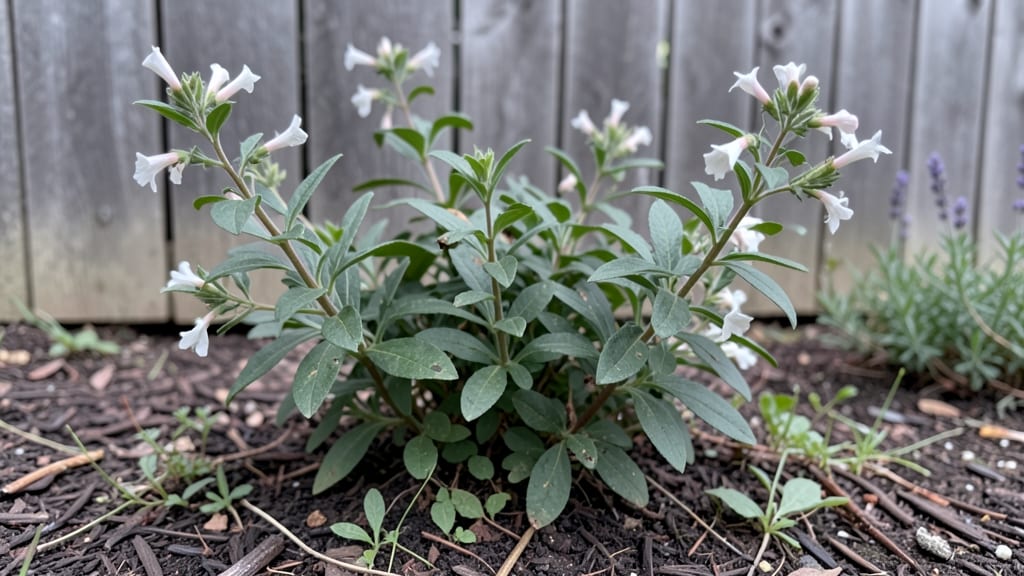
Mandevilla isn’t a true perennial in most climates—it’s a tender tropical that dies back when frost hits. 🌿 I’ve grown it for years, and every fall, the frost sends it into dormancy, but with the right care, you can revive it like a reborn plant each spring.
The key lies in understanding its tropical roots and how to protect it through winter.
In warmer zones (USDA 10-11), Mandevilla thrives year-round as a perennial, but in colder regions, it acts like an annual unless you bring it indoors or dig up the roots. Most gardeners treat it as a seasonal container plant, moving it to a sunny windowsill or garage during winter.
The good news? Even if it looks dead, the roots often survive underground in mild winters.
When spring arrives, you’ll see fresh green shoots pushing through the soil, followed by those signature trumpet-shaped blooms in just a few weeks. The plant’s resilience makes it worth the effort—once established, it grows aggressively and rewards you with vibrant flowers from late spring until frost.
Just be ready to repeat the overwintering process if you’re in a colder zone.
Here’s the trick: in zones 8-9, you can mulch heavily or wrap the base with burlap to protect it through light frosts. For zones 7 and colder, indoor overwintering is your best bet.
With these simple steps, you’ll enjoy Mandevilla’s dramatic blooms year after year, even if it’s not a true perennial in your climate.
Frequently asked questions
about whether Mandevilla is perennial—and how to keep it thriving year-round—can be tricky! Here are answers to the most common queries to help you plan ahead.Is Mandevilla really perennial in my climate?
It depends! In USDA Zones 9-11, Mandevilla is naturally perennial and blooms year-round with minimal care. In colder zones (below 25°F), it’s treated as an annual or overwintered indoors. Check your hardiness zone to decide whether to protect it or replant annually.
How do I overwinter Mandevilla indoors for next year?
Start by pruning back 1/3 of the plant in early fall. Dig it up carefully, trim roots, and pot it in a well-draining mix. Place it in a bright, cool spot (50-60°F) with minimal water. Resume regular care in spring when temperatures rise.
Can Mandevilla survive frost or light freezes?
No—Mandevilla is not frost-tolerant and will die back if temps drop below 25°F. For a quick fix, cover it with frost cloth or move potted plants to a sheltered spot. If frost hits, prune dead growth in spring and propagate from healthy cuttings.
What’s the easiest way to propagate Mandevilla for year-round blooms?
Use stem cuttings (4-6 inches) in spring or summer. Dip the cut end in rooting hormone, plant in moist perlite or sand, and keep in bright, indirect light. Roots form in 2-4 weeks. Transplant outdoors after the last frost or keep indoors for winter blooms!
Are there low-maintenance perennial alternatives to Mandevilla?
If you want perennial vines with bold blooms, try:
- Clematis (hardy to Zone 4, needs winter mulch)
- Passionflower (tropical but drought-tolerant in warm zones)
- Honeysuckle (fragrant, attracts pollinators, Zone 4+)
Final thoughts
Mandeville is indeed a perennial gem—packed with vibrant blooms and shockingly low-maintenance care needs, making it a dream for busy gardeners. Its ability to thrive in heat, drought, and partial shade proves it’s a year-round winner with minimal fuss.
Whether you’re a seasoned gardener or a plant-newbie, this beauty rewards effortlessly.
Ready to elevate your garden? 🌸 Start by snagging a Mandeville plant (or cutting!) and give it a spot with just the right balance of sun and water. Watch those flowers light up your space—nature’s way of saying “thank you” for the love!