
Size
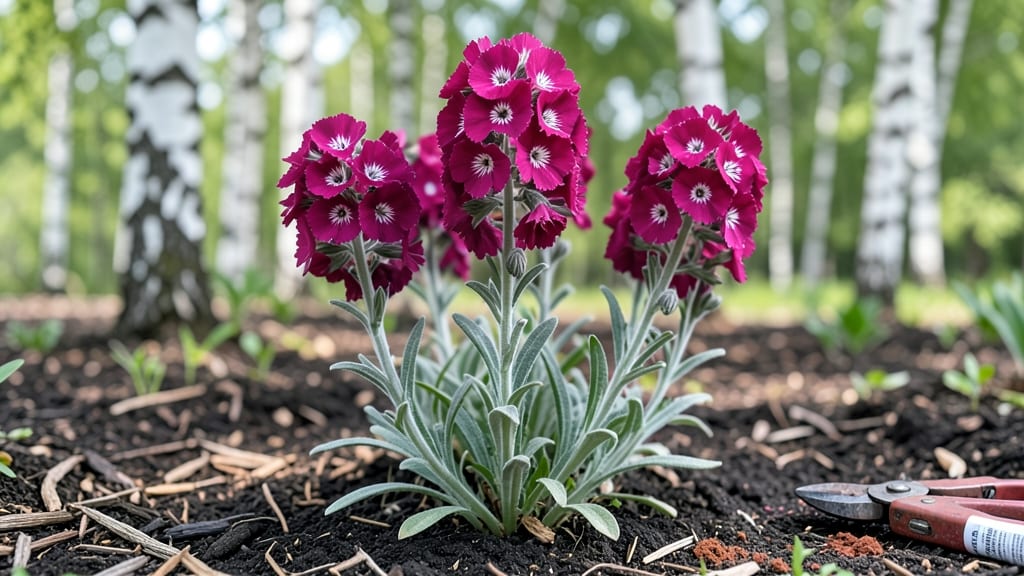
Growing tall perennial dianthus means bold, fragrant blooms that last from spring through fall with almost no fuss. 🌿 I’ve watched these sturdy plants thrive in my garden for years, their pink and magenta flowers standing out against gravel paths and dry borders.
They’re the perfect choice for gardeners who want color without constant deadheading or pruning.
The secret to their success lies in well-draining soil and full sun—at least 6 hours daily. Most varieties, like Dianthus plumarius, tolerate poor soil better than rich, so don’t over-fertilize.
Water deeply but infrequently; these plants hate soggy roots. Once established, they’ll spread slowly, forming clumps that multiply over time.
You’ll love how they bounce back after winter, often sending up fresh growth by early spring. Their silvery foliage adds texture even when not in bloom, and deer usually leave them alone. The only real challenge? Watching for powdery mildew in humid summers—just space plants well and avoid overhead watering.
Perfect for borders, rock gardens, or even containers. With the right care, these tough perennials will reward you with years of effortless beauty. Let’s get them growing strong in your garden!
Why Your Tall Dianthus Struggles
Tall dianthus perennials are prized for their vibrant blooms and low-maintenance charm, but even the hardiest varieties can falter if conditions aren’t just right. Understanding the root causes behind common issues—like leggy growth, sparse flowering, or sudden decline—helps you address problems before they derail your garden’s beauty.
Below, we break down the science and practical triggers behind these challenges.
Tall dianthus thrives in well-draining, slightly alkaline soil with a pH between 6.0 and 7.5. When soil falls outside this range or lacks essential nutrients, the plant’s health suffers in predictable ways:
- Compacted or Waterlogged Soil
- Why it happens: Dianthus roots are shallow and sensitive to suffocation. Heavy clay or poorly amended soil traps excess moisture, starving roots of oxygen and inviting root rot (a fungal infection caused by Phytophthora or Pythium).
- Actionable fix: Test soil drainage by digging a 6-inch hole, filling it with water, and timing how long it takes to drain. If it holds water beyond 6 hours, amend with sand or perlite (20–30% by volume) and mix in compost to improve structure.
- Nutrient Deficiencies
- Why it happens: Dianthus is a light feeder but needs balanced phosphorus (P) and potassium (K) for blooming. Overuse of nitrogen (N) without micronutrients (like magnesium or iron) leads to lush foliage but fewer flowers.
- Actionable fix: Use a low-N, high-P/K fertilizer (e.g., 5-10-10) in early spring. For yellowing leaves (chlorosis), apply chelated iron or Epsom salt (1 tbsp per gallon of water) every 2 weeks until symptoms improve.
Dianthus is a sun-worshipper, but too much or too little light—and extreme temperatures—can disrupt its growth cycle.
- Insufficient Sunlight
- Why it happens: Dianthus requires 6–8 hours of direct sun daily. In shady spots, stems elongate (etiolation) to reach light, weakening the plant and reducing flower production. Chlorophyll breaks down, leading to pale, leggy growth.
- Actionable fix: Relocate plants to a sunnier spot or prune back overly stretched stems to encourage bushier growth. If shade is unavoidable, choose dwarf varieties like ‘Firewitch’ that tolerate partial shade better.
- Heat Stress or Frost Damage
- Why it happens: While dianthus is drought-tolerant, temperatures above 90°F (32°C) can cause bud blast (premature flower drop) or leaf scorch. Conversely, frost-sensitive varieties (like Dianthus barbatus) may suffer stunted growth or blackened foliage below 20°F (-6°C).
- Actionable fix:
- For heat: Provide afternoon shade with a lightweight shade cloth (30–50%) or mulch with gravel to reflect sunlight.
- For cold: Apply a 2–3 inch layer of mulch (straw or shredded leaves) in fall and protect young plants with burlap wraps during hard freezes.
Dianthus is surprisingly drought-tolerant once established, but watering mistakes are a top cause of decline.
- Overwatering
- Why it happens: Frequent watering (especially overhead) keeps foliage damp, creating ideal conditions for powdery mildew (a fungal disease) or botrytis blight. Roots rot when soil stays soggy, cutting off nutrient uptake.
- Actionable fix: Water deeply but infrequently—aim for 1 inch per week (including rainfall). Use drip irrigation or soaker hoses to keep leaves dry. If mildew appears, spray with a baking soda solution (1 tbsp baking soda + 1 quart water + a drop of dish soap).
- Underwatering
- Why it happens: While dianthus tolerates dry spells, prolonged drought causes wilting, leaf drop, and stunted blooms. The plant conserves water by shedding foliage and delaying flowering.
- Actionable fix: Water at the soil level (not the leaves) during dry spells. Let the top 1–2 inches of soil dry out between waterings. For containers, ensure pots have drainage holes and use a well-draining potting mix.
Even resilient dianthus can fall prey to pests and pathogens, often without obvious early warnings.
- Common Pests
- Why it happens:
- Aphids and spider mites suck sap, causing curled leaves and sticky residue (honeydew), which attracts sooty mold.
- Slugs and snails chew holes in leaves and flowers, leaving silvery trails.
- Actionable fix:
- For aphids/mites: Blast off with a strong stream of water or use neem oil (1 tsp per quart of water, spray weekly).
- For slugs: Set up beer traps (bury a cup filled with beer) or use copper tape around pots.
- Why it happens:
- Fungal Infections
- Why it happens: High humidity + poor airflow = powdery mildew (white powdery coating) or rust (orange pustules). Overhead watering spreads spores.
- Actionable fix: Prune for airflow, avoid wetting foliage, and apply copper fungicide preventatively in spring. Remove infected leaves immediately.
By tackling these root causes—soil, light, water, and pests—you’ll restore your tall dianthus to its vibrant, low-maintenance glory. 🌸 The key is observation: notice where problems start (leaves, stems, or roots) to pinpoint the fix!
Reviving your tall dianthus perennials
Tall dianthus perennials are the stars of your garden, offering vibrant blooms and minimal fuss—but when they start looking tired or leggy, it’s time to take action. Below are practical solutions tailored to common issues, with step-by-step fixes and prevention tips to keep your plants thriving all year.
Cause: Overcrowding, poor sunlight, or insufficient nutrients. Solution:
- 🔥 Prune Back with Care
- Use clean, sharp pruners to trim back leggy stems by one-third to encourage bushier growth.
- Focus on cutting just above a leaf node (where new growth emerges).
- Pro Tip: 💡 Deadhead spent blooms regularly to redirect energy into stronger stems.
- 🌞 Boost Sunlight Exposure
- If your dianthus is in shade, gradually move it to a sunnier spot (6+ hours of sunlight daily).
- For container-grown plants, rotate pots weekly for even light distribution.
- 🌱 Feed for Strength
- Apply a balanced, slow-release fertilizer (10-10-10) in early spring.
- For organic options, use compost or worm castings around the base (but avoid direct contact with stems).
Prevention:
- Plant dianthus in well-draining soil with a 3-foot spacing between clumps to prevent overcrowding.
- Mulch with 2–3 inches of organic matter (like shredded bark) to retain moisture and nutrients.
Cause: Overwatering, root rot, or nutrient deficiency. Solution:
- ⏰ Adjust Watering Habits
- Dianthus hates soggy roots—water only when the top 1–2 inches of soil are dry.
- Improve drainage by amending soil with perlite or sand if planting in heavy clay.
- 🔪 Trim Damaged Foliage
- Snip off yellow or mushy leaves with sterilized pruners to prevent disease spread.
- If root rot is suspected, dig up the plant, trim affected roots, and repot in fresh, dry soil.
- 💪 Restore Nutrient Balance
- Test soil pH (ideal: 6.0–7.0). If too acidic, add lime; if alkaline, use sulfur.
- Apply an iron supplement (like chelated iron) if leaves show yellowing between veins (chlorosis).
Prevention:
- Plant in raised beds or containers with drainage holes to avoid waterlogging.
- Avoid overhead watering—use drip irrigation or soaker hoses instead.
Cause: Aphids, spider mites, powdery mildew, or fungal infections. Solution:
- 🚿 Blast Off Pests Gently
- For aphids or mites, spray plants with a strong stream of water to dislodge them.
- Apply neem oil (mix 1 tbsp with 1 quart water + a drop of dish soap) as a natural repellent.
- 🍄 Treat Fungal Issues
- Remove infected leaves immediately and dispose of them in the trash (not compost).
- Spray with baking soda solution (1 tsp baking soda + 1 quart water + a drop of soap) for powdery mildew.
- 🌡️ Improve Air Circulation
- Thin out overcrowded plants and space them 12–18 inches apart.
- Avoid watering foliage—water at the base instead.
Prevention:
- Rotate crops if growing dianthus in the same spot yearly (though they’re perennials, pests build up).
- Choose disease-resistant varieties like Dianthus gratianopolitanus (Cheddar Pink) for tougher resilience.
Cause: Freeze damage, frost heave, or inadequate mulch. Solution:
- 🛡️ Shield from Harsh Winters
- Mulch heavily (4–6 inches of straw or leaves) after the first frost to insulate roots.
- For potted dianthus, move containers to a protected area (like a garage or under eaves) before temps drop below 20°F.
- 🔥 Prune for New Growth
- In early spring, trim back dead or blackened stems to encourage fresh shoots.
- Avoid heavy pruning until new growth appears (usually by late April).
Prevention:
- Plant in south-facing spots where winter sun can warm the soil.
- Group dianthus with other cold-hardy perennials (like lavender or sedum) for mutual protection.
- Spring: Fertilize + deadhead to encourage blooms.
- Summer: Water deeply but infrequently; watch for pests.
- Fall: Add a light layer of compost to replenish nutrients.
- Winter: Keep mulch intact and avoid disturbing roots.
With these fixes, your tall dianthus perennials will bounce back stronger—and with the right care, they’ll reward you with bold blooms for years to come! 🌸✨
Frequently asked questions
How tall do these dianthus varieties actually grow?
Most tall dianthus perennials reach 18–24 inches at maturity, though some varieties like Dianthus superbus can top 3 feet. Their upright growth makes them perfect for borders or mixed perennial beds where height adds dimension without overwhelming smaller plants.
Can I grow tall dianthus in containers?
Choose containers with drainage holes and use a well-draining potting mix (like a 50/50 blend of garden soil and perlite). A 12-inch pot works well for single plants, while larger containers (18+ inches) can accommodate small clumps. Just ensure they get at least 6 hours of sunlight daily.
Why aren’t my dianthus blooming as much as expected?
Poor blooming often stems from too much nitrogen (which fuels leaves over flowers) or inadequate sunlight. Switch to a low-N, high-P fertilizer (like 5-10-10) in spring, and ensure they get 6+ hours of direct sun. Deadheading spent blooms also encourages more flowers.
Are tall dianthus deer-resistant?
While deer generally avoid dianthus, they may nibble during harsh winters when other food is scarce. Protect young plants with chicken wire cages or plant them near deer-resistant companions like lavender or rosemary. Their fragrant foliage often deters browsing.
How do I divide established dianthus clumps?
Divide in early spring when new growth appears. Dig up the clump, separate into 3–5 inch sections with roots attached, and replant immediately. Space divisions 12–18 inches apart in well-draining soil. Water lightly for the first week to reduce transplant shock.