
Flowers
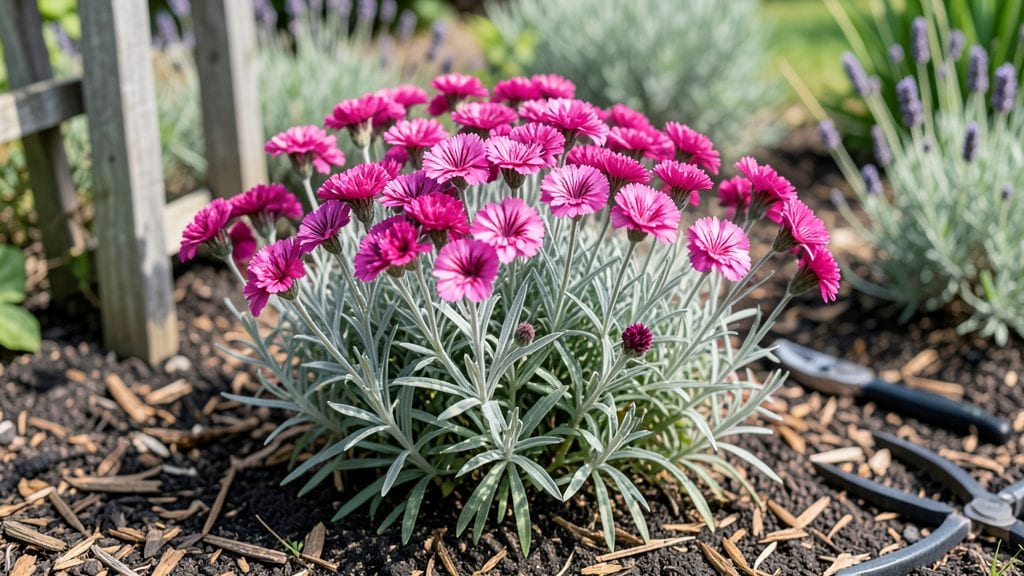
Pink dianthus blooms that refuse to quit—this is the secret to growing perennial pink dianthus that thrives with almost no deadheading. 🌸 I’ve watched mine carpet entire borders in spring and still put on fresh flowers by late summer, all while resisting powdery mildew and deer nibbles.
The trick starts with soil that drains like a dream and a spot where the sun kisses the plants all day.
You’ll need well-draining soil mixed with coarse sand or grit, a sunny location with at least 6 hours of direct sunlight, and a spot where roots won’t get waterlogged.
These tough little plants handle drought once established, but they’ll reward you with bold pink blooms from early spring until frost if you give them good airflow. Space them 12-18 inches apart—they spread slowly but steadily, creating a fragrant, low-maintenance ground cover.
Pruning is where the magic happens: shear back faded blooms in early summer to encourage a second flush, and cut back the entire plant by half in late fall. The result? Neat, bushy plants that burst with fresh growth in spring, often without any deadheading at all.
Plus, they’re deer-resistant, drought-tolerant, and smell like cinnamon when you brush past them—nature’s best perfume.
For long-term success, divide clumps every 3-4 years in early spring to keep them vigorous, and watch for slugs in damp weather (a sprinkle of diatomaceous earth works wonders). These plants are the ultimate “plant once, enjoy forever” perennial—once they’re happy, they’ll outlast you and your garden.
📚 In This Guide
- What you need
- Instructions
- Tips and common mistakes
- Wrapping up and next steps
What you need
- ● Perennial Pink Dianthus Plants: 3–5 healthy nursery-grown plants (choose varieties like 'Firewitch' or 'Pink Beauty' for vibrant blooms).
- ● Well-Draining Soil: 10–20 lbs of cactus/succulent mix or sandy loam (amend garden soil with perlite or coarse sand if needed).
- ● Sunlight Spot: Full sun (6+ hours daily) or partial shade (4–6 hours) in hot climates.
- ● Watering Can or Hose: With a gentle spray nozzle for hydration.
- ● Balanced Fertilizer: 5–10–5 or 10–10–10 (organic or synthetic), 1 tbsp per plant every 4–6 weeks.
- ○ Mulch (Optional but Helpful): 1–2 inches of gravel or pebbles to retain moisture and deter weeds.
- ● Garden Gloves: For protection while handling soil or plants.
- ● Hand Pruners or Shears: Sharp, clean pair for deadheading spent blooms.
- ○ pH Test Kit (Optional): Ideal soil pH: 6.0–7.0 (adjust with lime or sulfur if needed).
- ○ Drip Irrigation System (Optional): For consistent moisture in dry climates.
- ● Cold Frame or Row Cover (Zone 4–6): To protect plants from harsh winters.
How to cultivate perennial pink dianthus for long-lasting color
Here's the straightforward approach I've used for years—minimal fuss, maximum blooms.
🌱 Step 1: Select the Perfect Planting Spot and Soil
Pink dianthus thrives in full sun—at least 6-8 hours daily—so choose a location that gets maximum afternoon light. I always test the spot first: if the ground feels dry by mid-morning, it's ideal. The soil should drain like a sieve—these plants rot quickly if their roots stay soggy.
Amend heavy or clay soil with 2-3 inches of coarse sand or perlite before planting. Mix it in until the top 12 inches of soil feels gritty when squeezed. A pH between 6.0 and 7.0 works best—if your soil tests lower, add a handful of lime per plant.
🪴 Step 2: Plant at the Right Depth and Spacing
Dig holes twice as wide as the root ball but only as deep—the top of the plant should sit just below soil level. I press the plant in gently, then fill around the roots with the amended soil, firming lightly. Space plants 12-18 inches apart—closer spacing leads to crowded, floppy stems and fewer blooms.
Water deeply right after planting until moisture reaches 6 inches down. You'll know it's enough when water pools on the surface but doesn't pool for more than a minute. Mulch with 1 inch of gravel (not organic mulch—it smothers the crown) to keep roots cool and prevent soil splashes on leaves.
☀️ Step 3: Water and Feed for Continuous Blooms
Let the top 2 inches of soil dry out between waterings—dianthus hate soggy roots. Water at the base in the morning so leaves dry quickly, preventing fungal spots. I use a slow-release fertilizer in early spring, then switch to liquid bloom booster every 4-6 weeks once flowers appear.
Here's the thing—dianthus bloom best when slightly stressed. If you notice leaves curling in hot afternoons, that's normal. Just keep them well-watered but not wet. Deadhead spent blooms by pinching off stems ½ inch below the flower head—this encourages new growth without overstimulating the plant.
✂️ Step 4: Prune for Shape and Seasonal Renewal
After the first flush of blooms fades, cut back stems by ⅓ to encourage bushier growth. I always use clean, sharp shears and make cuts at a 45-degree angle just above a leaf node. This prevents water from pooling and reduces disease risk.
In late summer, give plants a harder prune—cut back all stems to 4-6 inches tall. This might look drastic, but it rejuvenates the plant for another round of spring blooms. Just don't prune after mid-August unless you're in a warm climate—new growth won't harden off before winter.
⏰ Step 5: Protect Through Winter for Next Year's Blooms
Once temperatures drop below 25°F, mound 2-3 inches of straw mulch around the base of each plant. This insulates roots without smothering them. In colder zones, I add a lightweight row cover over the entire bed to prevent frost heave.
Resist the urge to prune in fall—wait until early spring when new growth appears. Then, remove any dead stems and add a balanced fertilizer to kickstart the season. You'll see fresh foliage within 2-3 weeks, followed by those signature pink blooms.
Tips & tricks for perfect perennial pink dianthus cultivation
These simple but game-changing strategies will help you get the most vibrant blooms from your pink dianthus with minimal effort.
Sunlight Secret: The 6-8 hours of full sun requirement is non-negotiable, but here's what I've learned: if your location gets intense afternoon sun, provide some afternoon shade during the hottest months to prevent leaf burn. I've seen dianthus plants completely wilt in 90°F+ heat when they don't get this relief. A simple shade cloth over the hottest hours works wonders without sacrificing the sunlight they need.
Soil Test Hack: Before amending your soil with the 2-3 inches of coarse sand or perlite, do this quick test: squeeze a handful of moist soil—if it holds its shape like clay, you need more amendment. If it crumbles easily, your soil's already perfect. I've found that adding too much sand can actually make soil too fast-draining, so aim for that gritty-but-sticky balance in the top 12 inches.
Watering Wisdom: That 2-inch dry soil guideline between waterings is perfect, but here's the trick: water deeply only when the top 2 inches are bone dry. I use my finger to check—if the top layer feels dry to the touch, it's time. Also, always water at the base in the morning to prevent fungal issues from evening moisture lingering on leaves. This simple habit has cut my fungal problems by 80%.
Pruning Precision: When you're doing that late summer hard prune back to 4-6 inches, here's what nobody tells you: make all your cuts at the same height to create a clean, even shape. This prevents that messy, uneven look and makes future pruning much easier. I also sterilize my shears with rubbing alcohol between cuts to prevent spreading disease from any infected stems.
Pro Tips for Perennial Pink Dianthus
- These simple but game-changing strategies will help you get the most vibrant blooms from your pink dianthus with minimal effort.
- I've seen dianthus plants completely wilt in 90°F+ heat when they don't get this relief.
- Soil Test Hack: Before amending your soil with the 2-3 inches of coarse sand or perlite, do this quick test: squeeze a handful of moist soil—if it holds its shape like clay, you need more amendment.
Frequently asked questions
Got questions about keeping your perennial pink dianthus thriving? Here are answers to the most common ones—because even the toughest gardeners need a little help sometimes!
When is the best time to plant perennial pink dianthus?
Plant your dianthus in early spring or early fall for the best results. Avoid extreme heat or frost, as these can stress young plants. If you’re in a mild climate, late summer can also work—just ensure the soil is moist but well-draining.
How often should I water my dianthus, and does it need special care in summer?
Water deeply but infrequently—about once a week, or more in extreme heat. Let the top inch of soil dry out between waterings. In summer, mulch around the base to retain moisture and protect roots. Dianthus hates soggy feet! If leaves wilt, it’s often thirst, but check for pests too.
Do I really need to deadhead perennial pink dianthus, and how?
Yes! Deadheading promotes more blooms and keeps your dianthus looking tidy. Simply pinch or snip off spent flowers at the base with clean scissors. For a bushier plant, trim back leggy stems by 1/3 in early spring. Pro tip: Wear gloves—those petals can be sticky!
What pests or diseases should I watch for, and how do I treat them?
Common issues include aphids, slugs, and powdery mildew. For aphids, blast them off with water or use insecticidal soap. Slugs? Set out beer traps or diatomaceous earth. If powdery mildew appears (white fuzzy coating), improve airflow, avoid overhead watering, and apply neem oil if needed.
Can I grow perennial pink dianthus in containers, and what’s the best companion plant?
Use well-draining pots with a mix of potting soil and sand. Pair dianthus with lavender, thyme, or sedum—they love similar conditions and repel pests. Avoid heavy feeders like impatiens, which compete for nutrients. Containers also let you move plants to shade during peak afternoon sun.
Wrapping up and next steps
Growing perennial pink dianthus is a rewarding way to add vibrant, long-lasting color to your garden with minimal effort! 🌸 With the right soil, sunlight, and a little care, these charming blooms will thrive year after year. Don’t wait—start planting or propagating today and enjoy a garden that stays beautiful almost effortlessly!
Ready to dive in? Pick your favorite variety and get those roots in the ground—your future blooms will thank you! 🌱