
Flowers
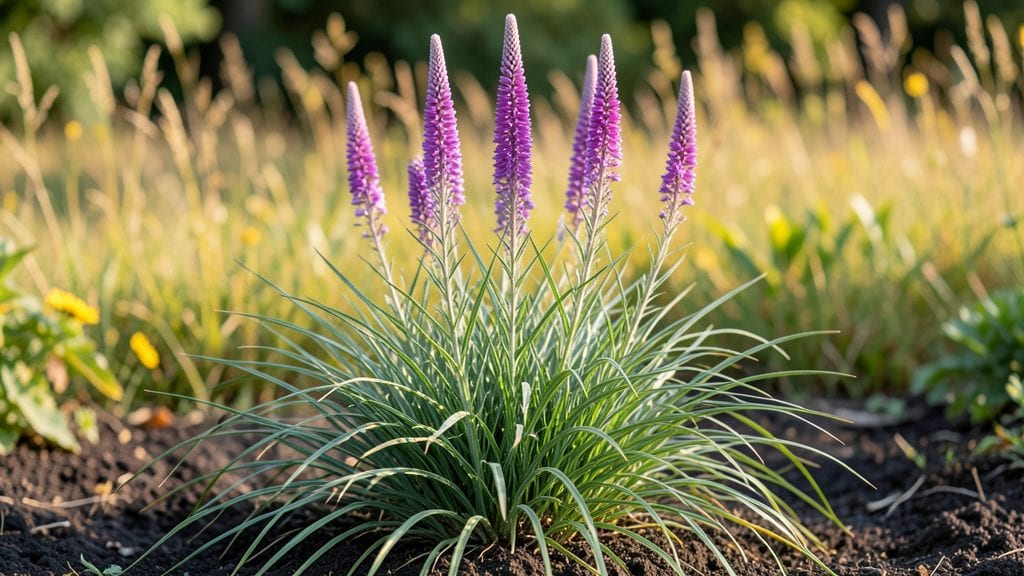
Liatris is indeed a perennial, thriving for multiple years with proper care, though its lifespan varies by species and climate conditions. Most varieties regrow annually from their root systems after winter dormancy in zones 3-9.
Liatris earns its place as a perennial thanks to its deep, fibrous root system that stores energy for regrowth each spring. 🌱 Unlike annuals that complete their life cycle in one season, liatris plants retreat underground during winter, then burst back with vibrant blooms when temperatures rise.
The hardiness across zones 3-9 means gardeners from the Northeast to the South can enjoy these drought-tolerant beauties year after year with minimal fuss.
What sets liatris apart is its ability to handle tough conditions—dry spells, poor soil, and even light frost—while still delivering those iconic purple flower spikes. Many gardeners discover their liatris patches expand naturally over time, creating stunning wildflower displays with almost no intervention.
The key to maximizing their perennial potential lies in proper planting depth and seasonal maintenance, which we’ll cover next.
💡 In This Article
- Liatris Growth Cycle and Winter Survival
- Tips for Extending Liatris Lifespan in Your Garden
Liatris growth cycle and winter survival
Here's what's actually happening underground that makes liatris a true perennial: these plants develop a robust crown and deep taproot system that stores carbohydrates during the growing season.
Unlike annuals that die back completely, liatris roots remain dormant but viable through winter, ready to push new growth when soil temperatures reach 50-55°F in spring. The root structure can extend 12-18 inches deep, allowing access to moisture during drought while protecting the crown from freezing.
The winter survival mechanism involves a three-phase dormancy cycle. First comes the senescence phase (late fall) where foliage yellows and dies back as the plant redirects energy to roots.
Then the hardening phase occurs when temperatures drop below 40°F, triggering production of protective sugars that act like antifreeze in plant cells.
Finally, the quiescent phase maintains minimal metabolic activity until spring warmth signals regrowth. 🌿 This process explains why liatris can handle zone 3 winters (-40°F) while still thriving in zone 9's mild winters.
What most people don't realize is how soil moisture affects this cycle. Liatris roots need well-drained soil to prevent rot during winter - saturated conditions can trigger premature sprouting or crown rot. In contrast, too-dry soils force the plant to expend energy seeking moisture, weakening its winter reserves.
The ideal moisture balance maintains 60-70% soil saturation during growing months, then allows natural drying in fall to prepare for dormancy.
Comparing liatris to true annuals reveals key differences in their life strategies. Annuals like marigolds complete their entire life cycle in one season, producing seeds before dying. Liatris, however, allocates 30-40% of its annual energy production to root storage rather than reproduction.
This investment in underground infrastructure is why established liatris plants can live 5-10 years or longer with proper care, while annuals must be replanted each year.
The cold hardiness across zones 3-9 works because liatris has evolved cold acclimation strategies similar to native prairie grasses. In zone 3, plants may show 20-30% winter dieback of foliage but regrow from protected crowns.
Meanwhile, zone 9 plants experience minimal dormancy and may bloom nearly year-round in frost-free climates. This adaptability makes liatris one of the most resilient perennials for tough garden conditions. ✨
One fascinating detail is how liatris handles late-season frosts. The flower buds contain natural antifreeze proteins that prevent ice crystal formation in cells, allowing buds to remain viable until 28°F.
This explains why you'll often see liatris blooming shortly after spring frosts - the plants have been "waiting" in a state of suspended animation until conditions are safe for emergence.