
Aphids
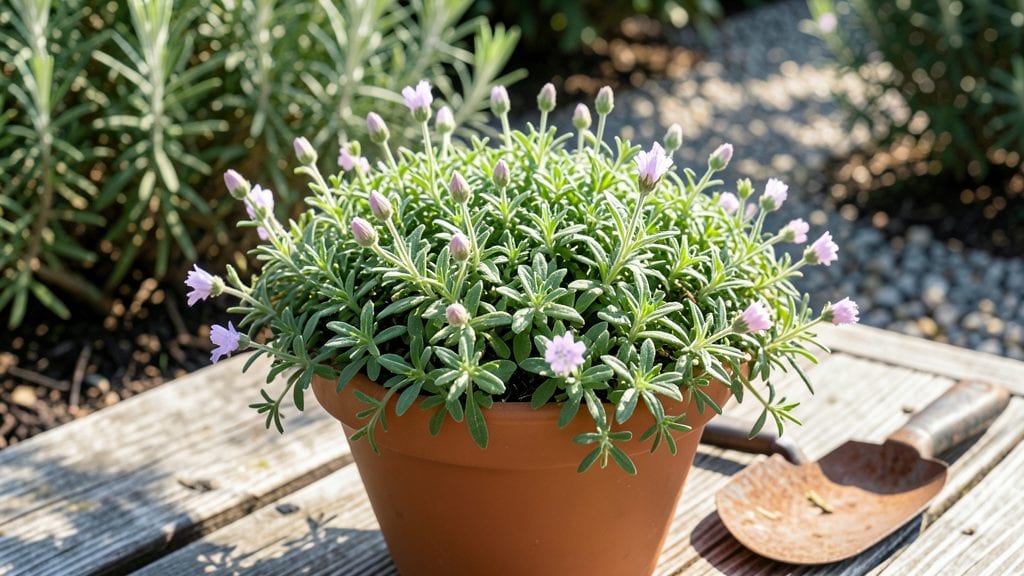
Lemon thyme isn’t just a pretty herb—it’s a hardy perennial that comes back stronger every year. 🌱 I’ve grown it for five seasons now, and once established, it spreads like a fragrant green carpet, surviving winters in zones 5 through 9 with minimal fuss.
The key? Understanding its cold tolerance and how to protect it in marginal climates.
This isn’t one of those finicky herbs that bolts or dies back completely. Even in colder zones, lemon thyme often survives as a low-growing ground cover, sending up fresh growth when temperatures warm.
In milder climates, it thrives year-round, while in colder areas, a thick layer of mulch or a simple cloche can make all the difference. It’s the kind of plant that rewards patience—plant it once, and you’ll have it for years.
You’ll notice new shoots emerging in early spring, often before other perennials wake up. The leaves stay fragrant and useful for cooking or garnishes well into fall, and with proper care, it can even bloom sporadically, adding tiny purple flowers to the mix.
The best part? It self-seeds lightly, so you might find baby plants popping up nearby without any effort on your part.
This knowledge changes how you plan your garden. Lemon thyme makes a great border plant, a low-maintenance ground cover, or a companion for vegetables like tomatoes and peppers. Just avoid over-trimming in late summer, as fresh growth needs time to harden off before winter.
With the right conditions, it’s the kind of perennial that makes gardening feel effortless.
📚 In This Guide
- What you need
- Instructions
- Tips and common mistakes
- Wrapping up and next steps
What you need
- ● Lemon thyme plants or seeds: For plants: 3–5 healthy nursery-grown lemon thyme plants (6-inch pots, well-rooted).
- ● For seeds: 1 packet (50–100 seeds) of organic lemon thyme seeds (e.g., Thymus citriodorus).
- ● Well-draining potting mix: 2–3 bags (10–15 quarts each) of organic potting soil or a mix of: 60% garden soil
- ● 30% perlite or coarse sand
- ● 10% compost
- ● Containers or garden bed: For containers: 5–7 gallon pots (with drainage holes) or a raised bed (at least 12" deep).
- ● For in-ground planting: A sunny spot with 6+ hours of sunlight and loose, rocky soil (amend with sand if clay-heavy).
- ● Basic gardening tools: Trowel or hand shovel
- ● Garden gloves
- ● Pruning shears (sterilized)
- ○ Fertilizer (optional but helpful): Balanced organic fertilizer (e.g., 10-10-10) or fish emulsion (apply lightly in spring).
- ● Slow-release granules (e.g., Osmocote) for potted plants.
- ● USDA Hardiness Zones: 5–9 (lemon thyme thrives in mild winters; protect in colder zones with mulch or containers).
- ● Sunlight: Full sun (6+ hours/day) for best growth and flavor.
- ● Watering: Drought-tolerant once established; water 1–2 times/week in pots, deeply but infrequently in-ground.
- ● Pest control (preventative): Neem oil spray (for aphids or spider mites)
- ● Row covers (if aphids are a local issue)
- ● Mulch (2–3 inches of straw or pine needles) to retain moisture and insulate roots.
- ● Drip irrigation system for automated watering (great for containers).
- ● Garden journal to track growth, pruning, and overwintering tips.
- ● Companion plants (e.g., rosemary, lavender) to deter pests naturally.
How to grow lemon thyme as a perennial herb
Here's how to keep this fragrant, hardy herb thriving year after year.
🌱 Step 1: Plant in Well-Draining Soil
Lemon thyme loves full sun and won't tolerate soggy roots. Amend your garden soil with 2-3 inches of compost to improve drainage and fertility. The ideal spot gets 6+ hours of direct sunlight daily—this herb won't tolerate shade.
Dig a hole twice as wide as the root ball but only as deep. Spread the roots gently if they're circling, then backfill with soil. Press lightly around the base to remove air pockets. Water deeply right after planting to settle the soil.
Here's the thing—lemon thyme grows aggressively in the right conditions. Plant it where it won't be crowded, or you'll end up with a sprawling patch before you know it.
☀️ Step 2: Water Deeply but Infrequently
Once established, lemon thyme is drought-tolerant. Water once a week during dry spells, but always let the top 1-2 inches of soil dry out between waterings. Overwatering causes root rot, and this hardy herb will tell you when it's thirsty—leaves curl and turn yellow.
In the first year, keep soil consistently moist but not soggy. After that, you'll barely need to water unless you're in an extreme drought. The key is deep watering—soak the root zone until water runs out the bottom of the hole.
Real talk: I've had lemon thyme survive on rainwater alone in my dry climate. That's how tough it is.
✂️ Step 3: Prune for Bushier Growth
Cut back stems by one-third in early spring to encourage dense, bushy growth. Use clean, sharp pruners to make cuts just above a leaf node. This prevents woody stems and keeps the plant productive.
Don't wait until it's too late—if you let lemon thyme grow unchecked, it becomes leggy and less flavorful. I prune mine again in midsummer to maintain shape and encourage new growth before winter.
Here's what I do: After each harvest, trim back any stems that look tired. The plant responds with fresh, fragrant new growth within weeks.
🪴 Step 4: Protect in Harsh Winters
Lemon thyme is hardy to USDA Zone 5, but young plants or extreme winters need protection. Mulch heavily with 2-3 inches of straw or shredded leaves after the first frost. This insulates roots and prevents heaving.
In zones colder than 5, cut back stems to 2-3 inches and cover with a thick layer of mulch or even a small cloche. The roots will survive, and new growth emerges early spring.
This is the moment that matters: If you skip mulching, your lemon thyme may survive but will look ragged and produce less. A little effort now means a stronger plant next year.
🌿 Step 5: Divide and Share Every 2-3 Years
Lemon thyme spreads slowly but steadily. In early spring, dig up the plant and divide it into sections with 3-4 stems each. Replant the divisions immediately in prepared soil. This rejuvenates the plant and gives you free propagation material.
I divide mine every spring—it's how I keep my garden full of this herb. The divisions establish just as well as the original plant, and you'll have fresh growth within weeks.
Don't skip this (I learned the hard way): If you let lemon thyme get too crowded, the center becomes woody and unproductive. Dividing keeps it vigorous.
Tips & tricks for growing lemon thyme as a perennial herb
Lemon thyme might seem tricky at first, but these simple tricks will help you cultivate a thriving perennial that comes back stronger every year.
Soil Preparation: The 2-3 inches of compost in Step 1 is non-negotiable for lemon thyme. I've found that adding a handful of coarse sand to the mix helps prevent compaction, especially in clay-heavy soils. This herb hates soggy roots, so if your garden tends to stay damp, consider planting in a raised bed or mound with excellent drainage.
Pruning Strategy: When you cut back stems by one-third in early spring (Step 3), focus on removing any leggy or woody growth first. These stems won't produce new leaves and just take energy from the plant. I like to make my cuts at a slight angle just above a leaf node—this helps water run off and prevents rot. After pruning, give your plant a light watering to help it recover quickly.
Winter Protection: For those in USDA Zone 5 or colder, the 2-3 inches of mulch mentioned in Step 4 is your best friend. I've had success using a mix of straw and shredded leaves—this combo provides both insulation and moisture retention. If you're expecting particularly harsh winters, consider adding a layer of burlap over the mulch for extra protection. Remember, the goal is to protect the roots, not the foliage.
Division Timing: When dividing your lemon thyme every 2-3 years (Step 5), aim for early spring when new growth begins. This gives the divided sections plenty of time to establish roots before summer heat arrives. I've found that dividing in late winter or early spring results in plants that look almost identical to the original within just a few weeks.
Pro Tips for Is Lemon Thyme A Perennial
- Lemon thyme might seem tricky at first, but these simple tricks will help you cultivate a thriving perennial that comes back stronger every year.
- Soil Preparation: The 2-3 inches of compost in Step 1 is non-negotiable for lemon thyme.
- Pruning Strategy: When you cut back stems by one-third in early spring (Step 3), focus on removing any leggy or woody growth first.
Frequently asked questions
Got questions about lemon thyme’s perennial nature? You’re not alone!
Here are answers to the most common queries—so you can grow this zesty herb with confidence.
Is lemon thyme truly a perennial, or does it die back in winter?
Lemon thyme is a perennial in USDA Zones 5–9, meaning it’ll regrow each spring if protected. In colder zones (below 5), it may die back but often resprouts from the roots. Mulch heavily in fall to shield it from frost!
How do I overwinter lemon thyme in cold climates?
For zones 3–4, cut back stems to 2 inches, cover with 4–6 inches of mulch (straw or leaves work), and top with a frost cloth. In containers, move pots to an unheated garage or basement. Pro tip: Avoid heavy snow piles, which can smother plants.
Can I grow lemon thyme as an annual if I don’t want to deal with winter care?
Treat it like an annual by planting fresh seeds or cuttings each spring. It’ll thrive in summer and autumn, offering the same bold citrusy flavor. Just ensure full sun and well-draining soil for best results.
Why did my lemon thyme die over winter, even though I mulched?
Possible culprits: heavy frost (below -10°F), poor drainage (root rot), or rodent damage. Next time, add a protective layer of burlap over mulch and check for gnawed stems. If roots survived, new growth may appear in spring!
Are there perennial alternatives to lemon thyme with similar flavor?
Yes! Try oregano (hardy to Zone 4), thyme varieties (e.g., French thyme, Zone 5+), or lemon verbena (Zone 8–11, but tender perennials elsewhere). For a citrusy kick, lemon balm (Zone 4+) is another great pick.
Wrapping up and next steps
So, is lemon thyme a perennial? Absolutely! 🌱 This hardy herb thrives as a perennial in USDA zones 5-9, rewarding gardeners with fragrant, flavorful foliage year after year. With minimal care—like pruning and protection from harsh winters—you’ll enjoy its citrusy charm without the hassle of replanting.
Ready to level up your herb garden? Start by planting lemon thyme in a sunny spot and watch it flourish. Need more tips? Explore our guide on maximizing its growth—your kitchen (and pests!) will thank you.