
Flowers
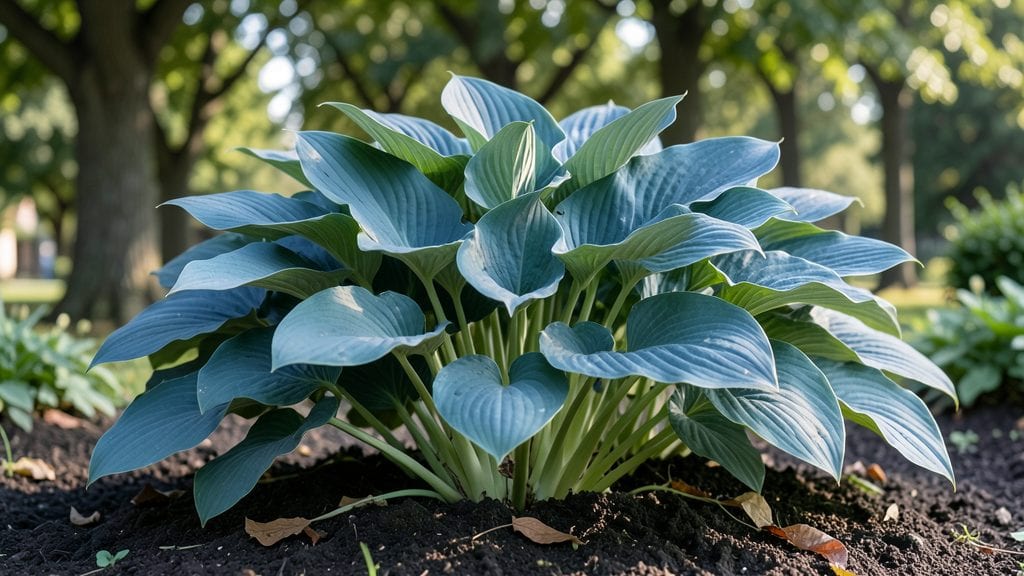
Yes, hosta is a perennial plant known for its lush foliage and adaptability, thriving year-round in USDA zones 3-9 by regrowing from underground rhizomes each spring after winter dormancy. Its hardiness and multi-season interest make it a staple in shade gardens.
Hosta's perennial nature comes from its underground storage system—thick, fleshy rhizomes that store energy like a natural battery. 🌱 Unlike annuals that die back completely each year, hostas simply retreat underground during winter, then burst back to life when temperatures rise.
This makes them incredibly low-maintenance once established, as they don't need replanting every season.
What sets hostas apart is their ability to adapt to different climates while maintaining their signature foliage. Some varieties even produce summer flowers that attract pollinators, adding another layer of garden value.
The key to their success lies in proper winter care—mulching heavily in colder zones and choosing the right cultivars for your specific climate can mean the difference between thriving plants and struggling ones.
💡 In This Article
- How Hosta Perennials Survive Winter Dormancy
- Best Hosta Varieties for Different Climate Zones
How hosta perennials survive winter dormancy
Hostas rely on their rhizomes—thick, horizontal underground stems—to survive winter. These specialized structures act like natural storage units, accumulating starches and sugars throughout the growing season to fuel regrowth.
Unlike annuals that complete their entire life cycle in one year, hostas enter a state of dormancy when temperatures drop below 40°F, halting above-ground growth while preserving energy underground.
This process is triggered by shorter daylight hours and cooler temperatures, which signal the plant to redirect resources from leaves to rhizomes.
The leaf senescence process is fascinating—hosta leaves turn yellow or brown as chlorophyll breaks down, but this isn't just decay.
The plant actively recycles nutrients like nitrogen and phosphorus back into the rhizomes, creating a nutrient-rich reserve. 🌿 For example, a mature 3-foot-tall hosta can store enough energy in its rhizome to produce 10-15 new shoots the following spring.
This contrasts sharply with biennials like foxgloves, which die after flowering, or annuals like marigolds, which complete their entire lifecycle in a single season.
Cold hardiness varies dramatically between cultivars. Giant varieties like 'Sum and Substance' (Zone 3) can withstand temperatures down to -30°F thanks to thicker rhizomes and more stored energy, while smaller varieties like 'Halcyon' (Zone 4) may struggle in prolonged sub-zero conditions.
The rhizome's depth also matters—deeper-planted hostas survive better because soil insulates against temperature fluctuations. This is why gardeners in marginal zones (Zone 4-5) often mulch heavily with straw or leaves to create an extra insulating layer.
What most people don't realize is how hostas manage water during dormancy. Their rhizomes contain specialized cells that prevent freezing by producing antifreeze proteins, similar to those in woody plants like maples. These proteins bind to ice crystals, lowering the freezing point of cellular fluids.
This biological trick allows hostas to survive winters where annuals would perish. 💧 For instance, a 1-inch-thick layer of mulch can raise soil temperatures by 5-10°F, making the difference between survival and dieback in harsh winters.
Comparing hostas to other perennials reveals their unique adaptability. While peonies also use rhizomes, hostas have finer, more fibrous rhizomes that spread horizontally rather than vertically. This growth pattern allows them to colonize space efficiently while maintaining their compact form.
The trade-off? Their shallow rhizomes make them more vulnerable to extreme temperature swings than deeper-rooted perennials like coneflowers, which is why consistent winter care is crucial for long-term success.
Here's what actually happens in early spring: When soil temperatures reach 45-50°F, hosta rhizomes begin metabolizing stored starches into sugars, triggering shoot emergence. The first leaves unfurl from protected buds called axillary buds located along the rhizome.
This precise timing explains why hostas often emerge earlier than many other perennials—sometimes even before snowmelt in Zone 4 gardens. The key takeaway? Their survival strategy combines biological adaptations with careful energy management, making them one of nature's most resilient shade plants. ✨