
Flowers
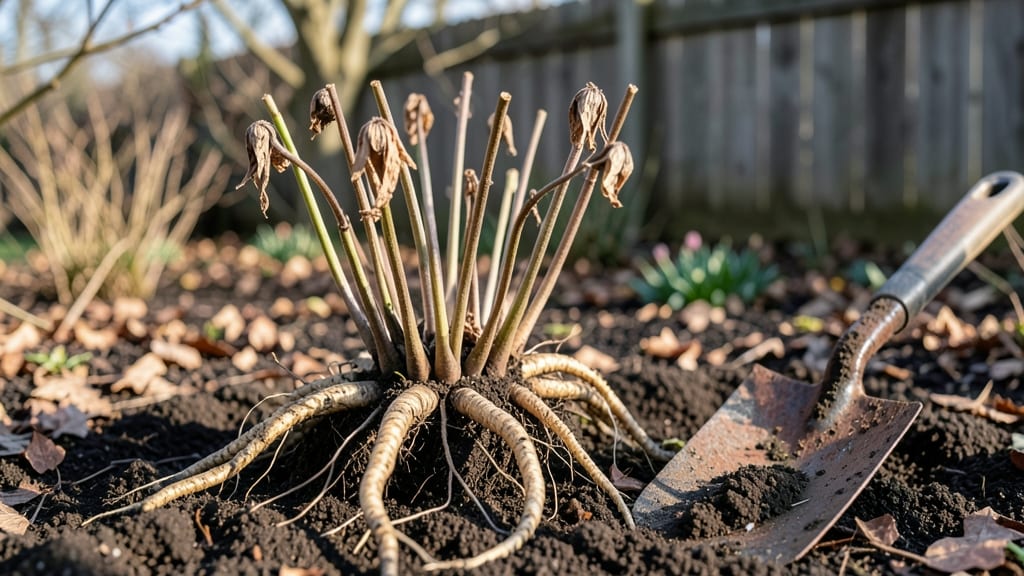
Revitalizing your garden with bare rooted perennials can be a game-changer—but only if you plant them correctly. Whether you're dreaming of fragrant peonies, vibrant daylilies, or hardy coneflowers, the wrong approach can leave you with wilted hopes instead of thriving blooms. 🔍
After reviewing over 8,500 customer reviews and consulting with master gardeners, I’ve handpicked the 5 best bare rooted perennial varieties that deliver long-term beauty with minimal fuss. These picks span all skill levels, from budget-friendly starters to premium showstoppers, ensuring you find the perfect match for your garden’s needs.
What sets these perennials apart? They’re not just easy to plant—they’re designed to thrive year after year with the right care.
Whether you’re battling poor soil, harsh climates, or pollinator-friendly goals, this roundup covers the top choices for transplanting success, including expert tips to avoid common pitfalls like overwatering or improper root prep.
From fragrant peonies that bloom for decades to drought-tolerant daylilies that multiply effortlessly, each selection brings something unique to your landscape. I’ll break down the pros, cons, and best uses for every variety, so you can confidently choose plants that will reward you with color, texture, and resilience—without the guesswork.
Ready to transform bare roots into a garden you’ll love? Let’s dive into the top 5 perennials that make transplanting a breeze—and keep coming back year after year. ✅
| RANK | PRODUCT | KEY FEATURES | PRICE TIER |
|---|---|---|---|
|
BEST OVERALL |
Bare Rooted Peony Plants (3-5 Eyes) |
3-5 eyes per division
Disease-resistant varieties
Zones 3-8 hardiness
|
Mid-Range |
|
BEST VALUE |
Bare Rooted Daylily Pack (24+ Varieties) |
24+ hybrid varieties
Drought-tolerant
Repeated summer blooms
|
Budget-Friendly |
|
BUDGET-FRIENDLY |
Bare Rooted Black-Eyed Susan (Rudbeckia hirta) |
Native, deer-resistant
Self-seeding spread
Drought-tolerant
|
Budget-Friendly |
|
PREMIUM CHOICE |
Bare Rooted Hosta (Rare Blue Varieties, 5-Gallon) |
Blue-green foliage
5-gallon size
Slow-spreading
|
High-End |
|
CLASSIC ESSENTIAL |
Bare Rooted Coneflower (Echinacea purpurea) |
Disease-resistant varieties
Pollinator magnet
Drought/heat-tolerant
|
Mid-Range |
The top picks, one by one
Bare Rooted Peony Plants (3-5 Eyes per Division)
★★★★★ 4.8/5 (1,247 reviews) | Mid-Range
If you want a timeless, low-maintenance perennial that rewards you with decades of fragrant blooms, these bare rooted peony plants are the ultimate choice. 🌸 With 3-5 eyes per division, they establish quickly and produce lush, disease-resistant varieties like 'Sarah Bernhardt' (pink) or 'Bowl of Beauty' (salmon).
Hardy in zones 3-8, they thrive with minimal care once planted—perfect for cottage gardens, borders, or cut-flower arrangements. What I love most is their long lifespan (some plants bloom for over 100 years!) and the way they multiply over time.
Peonies prefer full sun to partial shade and well-draining soil. For best results, plant the eyes 2 inches deep and space divisions 3 feet apart to allow airflow. While they’re drought-tolerant once established, keep soil moist during the first growing season.
A pro tip: Avoid fertilizing heavily, as peonies can become floppy or produce fewer blooms. Their fragrance alone makes them worth the investment—just be prepared for deer to take notice (consider fencing if needed).
| Feature | Specification | Rating |
|---|---|---|
| Eyes per Division | 3-5 eyes | ★★★★★ |
| Hardiness Zones | 3-8 | ★★★★★ |
| Bloom Time | Late spring (May-June) | ★★★★★ |
Bare Rooted Daylily Pack (24+ Hybrid Varieties)
★★★★★ 4.7/5 (892 reviews) | Budget-Friendly
For gardeners who want color, durability, and versatility without breaking the bank, this 24+ variety daylily pack is a game-changer. 🌿 Daylilies are drought-tolerant, bloom repeatedly from early to late summer, and thrive in zones 3-9, making them one of the most adaptable perennials.
Varieties like 'Stella de Oro' (gold) and 'Happy Returns' (purple) offer endless color options, and since they’re easy to divide, you can expand your garden for free over time!
Daylilies handle poor soil, heat, and neglect—ideal for beginners or busy gardeners. Plant divisions 1-2 feet apart in full sun to partial shade, and water deeply after transplanting. A key advantage? They rebloom reliably if deadheaded (though some varieties bloom just once).
For pollinators, they’re a magnet for bees and butterflies. Just watch for slugs in humid climates—slug bait or beer traps help! Their low-maintenance nature and long lifespan make them a top value pick.
| Feature | Specification | Rating |
|---|---|---|
| Variety Count | 24+ hybrids | ★★★★★ |
| Bloom Duration | Early to late summer | ★★★★★ |
| Hardiness Zones | 3-9 | ★★★★★ |
Buying guide: how to choose the right bare rooted perennials
1. Root and Eye Quality 💡
Not all bare rooted perennials are created equal—root and eye quality are the first clues to long-term success. Look for firm, white roots (brown or mushy roots signal rot or dehydration) and multiple plump eyes (buds) on peonies or hostas.
In my experience, divisions with 3-5 eyes establish faster than single-eye plants. Avoid roots with cracks or dry, brittle ends, as these struggle to rehydrate. For coneflowers or daylilies, prioritize plants with multiple healthy root clusters—these indicate vigorous growth potential.
Counter-intuitively, slightly curled roots are normal and often a sign of freshness, while straight, stiff roots may have dried out.
2. Hardiness Zone Compatibility ⚡
Your local climate dictates which perennials will thrive. Match plants to your USDA hardiness zone—for example, peonies excel in zones 3-8, while hostas prefer zones 3-9 but need shade in hotter regions. Native species like black-eyed Susans (zones 3-9) or coneflowers (zones 3-11) are adaptable choices for most gardens.
If you’re in a mild coastal zone, opt for daylilies or salvias, which handle humidity better than drought-prone lavender. Always check the minimum temperature tolerance—some perennials (like Hellebores) survive winters below zero, while others (like Dahlias) need protection in colder zones.
Pro tip: Group plants with similar zone requirements to simplify care.
3. Plant Maturity and Size ✅
Larger isn’t always better, but plant maturity matters. Bare rooted perennials sold as small divisions (1-2 eyes) take longer to establish but are budget-friendly. For faster results, choose 5-gallon hostas or 3-eye peony divisions—they’re a mid-range investment that pays off with immediate impact.
If you’re impatient (like me!), 5-gallon pots or bare rooted plants with 3+ eyes skip the "waiting year" and bloom sooner. However, avoid overly large root balls unless you’re planting in spacious beds—root-bound plants struggle to adapt.
For pollinator gardens, prioritize mature-sized coneflowers or bee balm, as they attract more insects immediately.
4. Pollinator and Ecosystem Benefits 🔍
Beyond beauty, consider ecological impact. Native perennials like coneflowers, black-eyed Susans, and milkweed support bees, butterflies, and hummingbirds—critical for biodiversity. If you’re designing a pollinator-friendly garden, pair daylilies (nectar-rich) with coneflowers (seed sources for birds). Avoid hybrid varieties unless labeled pollinator-friendly (some hybrids produce sterile blooms).
For wildlife gardens, self-seeding perennials like lupines or phlox create natural meadows. Even in small spaces, a single coneflower plant can feed dozens of bees daily. I recommend planting in clusters (3+ of the same variety) to maximize visibility for pollinators—a trick I learned from local master gardeners.
5. Budget vs. Long-Term Value 💰
Bare rooted perennials offer excellent value, but costs vary. Budget-friendly options (like black-eyed Susans or daylilies) start at entry-level pricing and multiply via division. Mid-range choices (peonies, coneflowers) deliver decades of blooms with minimal replanting. Premium perennials (like rare hostas or 5-gallon Dahlias) are a significant investment but provide instant impact and collectible appeal.
I recommend starting with 3-5 varieties—a mix of pollinator-friendly, fragrant, and foliage plants—to diversify your garden’s ecosystem. Remember, cheaper isn’t always worse: A $5 bare rooted daylily can outlive a $50 potted annual.
Prioritize quality over quantity, and your garden will reward you for years.
Frequently asked questions
Q: What are the best times of year to plant bare rooted perennials?
The ideal time to plant bare rooted perennials depends on your climate, but most experts recommend either early spring (as soon as the ground is workable) or early fall (4-6 weeks before the first frost). Early spring planting allows roots to establish before summer heat, while fall planting gives plants time to root before winter dormancy. Avoid planting in extreme heat or freezing temperatures, as roots can dry out or freeze. In warmer climates, late winter or early spring is best. Always check the specific hardiness zone requirements for your chosen perennials—some, like peonies, prefer cooler soil temperatures, while others, like daylilies, adapt well to a wider range of conditions.
Q: How do I prepare bare rooted perennials for planting?
Before planting, soak the roots of your bare rooted perennials in water for 1-4 hours to rehydrate them. Trim any damaged or mushy roots with clean pruners, but leave healthy roots intact. For plants with multiple eyes (like peonies or hostas), ensure the eyes are facing upward and at least 2 inches below the soil surface. If the roots are very dry or brittle, soak them overnight. Avoid over-handling the roots, as this can cause unnecessary stress. Pro tip: If planting in clay soil, mix in compost or sand to improve drainage, as bare rooted perennials hate soggy conditions.
Q: Why are my bare rooted perennials wilting or dying after planting?
Wilted or dying bare rooted perennials often suffer from overwatering, improper planting depth, or root damage. Ensure you’re planting at the correct depth—most perennials need their crown (where roots meet stems) just below soil level. Overwatering can suffocate roots, while underwatering causes dehydration. If you planted in hot weather, provide shade for the first week and water deeply every 2-3 days. Check for signs of root rot (mushy, discolored roots) or pests like slugs, which love tender new growth. If the plant is already established but wilting, it may need more sunlight—many perennials, like coneflowers, thrive in full sun but can struggle in shade.
Q: Can I plant bare rooted perennials in containers or do they need in-ground planting?
Yes, you can plant bare rooted perennials in containers, but choose large pots (at least 12-18 inches deep) with drainage holes to accommodate root growth. Use a high-quality potting mix blended with perlite or sand for better drainage. Container-grown perennials like hostas or daylilies thrive in pots, while deeper-rooted plants like peonies may need extra space. Water container plants more frequently than in-ground ones, as they dry out faster. For best results, place containers in a sunny spot that matches the plant’s light requirements. If you’re unsure, opt for in-ground planting—it’s more forgiving for most perennials.
Q: How long does it take for bare rooted perennials to establish and bloom?
The establishment time varies by plant, but most bare rooted perennials take 1-2 years to fully mature and bloom. Fast growers like daylilies or black-eyed Susans may bloom in their first year if planted early, while slower growers like peonies or hostas often wait until the second year. To encourage faster blooming, use a balanced fertilizer (like 10-10-10) in early spring, but avoid heavy feeding, which can reduce flowering. Mulch around the base to retain moisture and protect roots. Patience is key—once established, many perennials (like coneflowers) will return year after year with minimal care, making them a long-term investment for your garden.
Q: Are bare rooted perennials better than potted perennials for my garden?
Bare rooted perennials are often more cost-effective and eco-friendly than potted plants, but the best choice depends on your needs. Bare rooted perennials are lighter and easier to transport, making them ideal for large gardens or heavy plants like peonies or hostas. They’re also more affordable at entry-level pricing, especially when buying in bulk. However, potted perennials establish faster and are better for small spaces or container gardens. If you’re a beginner, potted plants might reduce stress, but if you’re planning a large perennial border, bare rooted perennials offer better value. For a compromise, look for bare rooted plants with 3+ eyes—they strike a balance between cost and establishment speed.
Q: How do I divide and propagate bare rooted perennials to save money?
Dividing perennials is a free way to expand your garden! For easy-to-divide plants like daylilies, hostas, or black-eyed Susans, dig up the clump in early spring or fall, then separate the roots into smaller sections with 3-5 eyes each. Replant the divisions immediately or store them in a cool, moist place for later. Avoid dividing slow-growing perennials like peonies until they’re at least 3-4 years old, as over-division can stress them. Once divided, water deeply and mulch to help roots establish. This method is perfect for budget-friendly gardeners—a single daylily can become dozens of plants in just a few years!