
Flowers
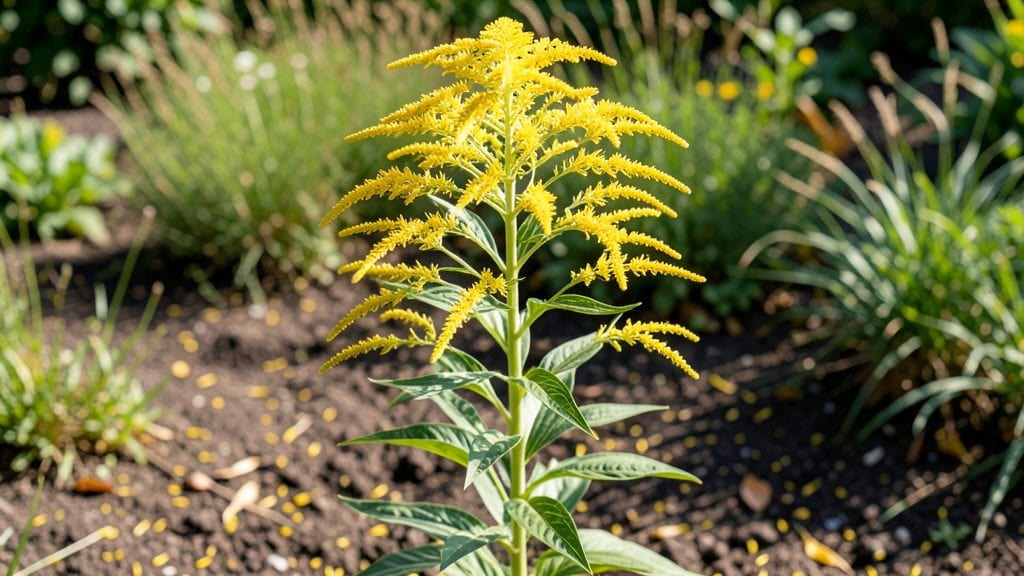
Goldenrod is a perennial plant that thrives for multiple years, returning annually with vibrant blooms in late summer and fall while spreading through underground rhizomes or self-seeding. Its hardy nature makes it a low-maintenance garden staple.
Goldenrod’s perennial nature comes from its robust root system, which stores nutrients and energy underground during winter dormancy. 🌱 Unlike annuals that complete their life cycle in one season, goldenrod regenerates each spring from these deep rhizomes, producing those signature yellow plumes year after year.
This resilience lets it thrive in poor soils and even drought conditions, making it a favorite for pollinators like bees and butterflies.
What sets goldenrod apart is its ability to spread naturally through both underground runners and airborne seeds. While this makes it excellent for meadows and wildflower gardens, it can become invasive if left unchecked in smaller spaces.
I’ve found that strategic pruning after blooming helps control its spread while keeping those cheerful flowers coming back stronger each season.
💡 In This Article
- Goldenrod Plant Life Cycle and Growth Habits
- Best Practices for Planting and Maintaining Goldenrod
Goldenrod plant life cycle and growth habits
Goldenrod's perennial nature stems from its specialized rhizome system, which acts like a built-in energy bank. These horizontal underground stems store carbohydrates and nutrients during winter, allowing the plant to regrow each spring without relying on seeds.
Unlike annuals that die after flowering, goldenrod's rhizomes can live for decades, producing new shoots annually from the same root network.
The plant's resilience comes from its deep taproot system that can extend 3-5 feet underground, accessing moisture and nutrients even in dry conditions. This root structure also helps goldenrod survive temperature fluctuations, from -30°F winters to 90°F+ summers.
The rhizomes grow approximately 1-2 inches per year, creating a dense underground network that supports multiple stems above ground.
Seasonal dormancy is key to goldenrod's survival strategy. In fall, the plant's foliage yellows and dies back, but the rhizomes remain active, continuing to store energy. By late winter, root respiration increases, signaling new shoot growth.
This dormancy period allows goldenrod to conserve resources during harsh conditions while maintaining its ability to rebound quickly in spring.
Comparing goldenrod to annuals and biennials highlights its unique growth pattern. Annuals like marigolds complete their entire life cycle in one season, while biennials like foxglove take two years to flower and set seed.
Goldenrod, however, produces flowers and seeds in its first year from seed, then continues flowering annually from its rhizomes—a hybrid strategy that gives it the best of both worlds.
What makes goldenrod particularly adaptable is its ability to spread through both rhizomes and self-seeding. While the rhizomes provide reliable regrowth, the plant also produces thousands of tiny seeds that can establish new plants.
This dual reproduction method ensures goldenrod's persistence even if parts of the rhizome system are damaged by frost or drought.
The plant's growth habits also reflect its ecological role. Goldenrod's late summer to fall blooming period coincides with the peak activity of pollinators like bees and butterflies, providing essential late-season nectar.
Its ability to thrive in disturbed soils and poor conditions makes it a pioneer species in many ecosystems, often one of the first plants to recolonize after fires or land clearing.
Understanding these growth patterns helps explain why goldenrod can dominate landscapes while remaining low-maintenance. Its combination of deep roots, energy-storing rhizomes, and flexible reproduction strategies creates a plant that's both persistent and adaptable across different climates and soil types. 💛