
Flowers
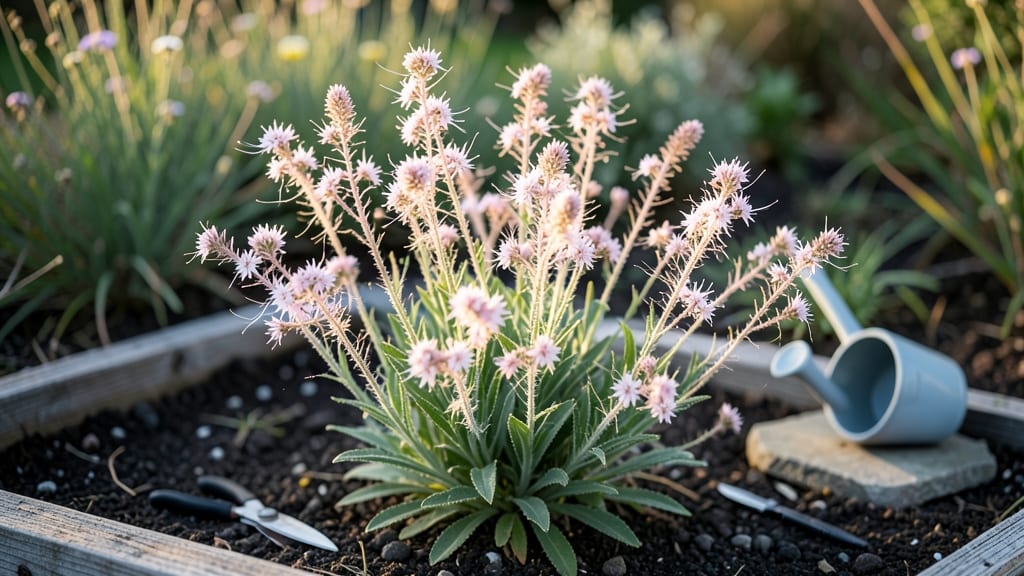
Gaura acts as a perennial in most regions, behaving like a hardy annual or short-lived perennial based on winter chill, with cold-hardy varieties enduring down to USDA Zone 5 when grown in well-drained soil.
This adaptability comes from gaura's deep root system, which stores energy to regrow in spring—though severe freezes often kill the foliage back. 🌱 In milder climates (Zones 6-10), it thrives year after year, while in colder areas, gardeners treat it as an annual or use thick mulch to protect the roots.
The key difference lies in how quickly the plant rebounds after winter dieback, with some cultivars showing remarkable resilience even in Zone 5 when conditions are right.
For example, Gaura lindheimeri (commonly called "bee blossom") is the most cold-tolerant variety, often surviving winters in Zone 5 with proper care, while Gaura coccinea tends to be more tender. This makes choosing the right cultivar crucial for gardeners in transitional climates.
💡 In This Article
- Gaura Cold-Hardiness and Winter Survival Guide
- Best Gaura Varieties for Year-Round Gardens
Gaura cold-hardiness and winter survival guide
Gaura's ability to act as a perennial hinges on its deep taproot system, which can extend 2-3 feet below the soil surface. This root structure stores carbohydrates and nutrients during dormancy, allowing the plant to regenerate new growth in spring.
In warmer climates (Zones 6-10), these roots remain active year-round, enabling perennial behavior. However, in colder regions, the above-ground foliage often dies back completely when temperatures drop below 10°F for extended periods.
The key difference between perennial and annual behavior lies in how quickly the roots recover. In milder winters, gaura's roots may only experience mild dormancy, resprouting within 2-4 weeks of warming soil temperatures. But in Zone 5, where winter lows can reach -15°F, the roots must endure prolonged freezing.
Some varieties like Gaura lindheimeri have evolved thicker root crowns that insulate the growing point, improving survival odds.
Mulching plays a critical role in cold climates by acting as an insulating blanket. A 3-4 inch layer of organic mulch (like straw or shredded leaves) can raise soil temperatures by 5-10°F, protecting roots from extreme cold.
The mulch also prevents soil heaving—a common issue in freeze-thaw cycles that can damage root systems. I've found that applying mulch after the ground freezes (around November) provides the best protection without trapping excess moisture.
Soil drainage emerges as another critical factor. Gaura's roots are particularly vulnerable to waterlogged conditions during winter, which can lead to rot. In Zone 5 gardens, I recommend planting on slopes or raised beds with sandy loam soil that drains quickly.
The root system's resilience comes at a cost—it demands well-aerated soil to prevent anaerobic conditions that would suffocate the roots during winter dormancy.
What most gardeners don't realize is that gaura's cold tolerance varies by cultivar. While Gaura lindheimeri can survive Zone 5 winters, Gaura coccinea typically dies back completely and must be replanted annually.
Even within Gaura lindheimeri, some named varieties like 'Siskiyou Pink' show better cold endurance than others. This variation occurs because different selections have been bred for specific climate adaptations over time.
For gardeners in transitional zones (like Zone 5b), the secret to perennial gaura lies in combining the right variety with proper winter care.
Planting in south-facing locations where sunlight warms the soil earlier in spring, coupled with heavy mulching and well-drained soil, can push survival rates above 80% in ideal conditions. The plant's ability to regenerate from its robust root system makes it surprisingly adaptable once you understand its winter requirements.