
Aphids
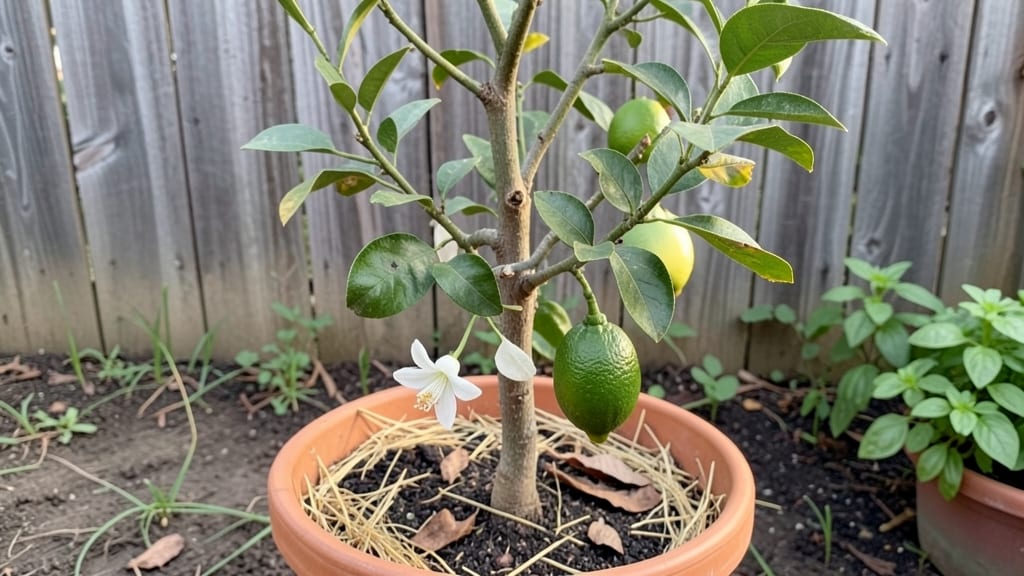
Lemon coral (Heuchera sanguinea) is not a true perennial in cold climates but behaves as a tender perennial in USDA zones 5-9, dying back in frost before regrowing from roots when conditions warm. Mulching helps protect it in marginal zones.
Lemon coral's survival strategy hinges on its root system—even when the above-ground foliage freezes back in winter, the roots stay alive beneath the soil. 🌱 This explains why it thrives in warmer zones but struggles in colder ones without protection.
Think of it like a dormancy mechanism: the plant conserves energy underground until spring warmth signals regrowth. Gardeners in zones 5-6 often report success by planting lemon coral near south-facing walls or under evergreen trees, where snow acts as natural insulation.
Unlike hardy perennials that survive winter intact, lemon coral's tender nature means it requires extra care in colder regions. The key difference lies in its crown (the base where stems meet roots)—this is what typically dies back, not the entire plant.
For those pushing its limits, overwintering in containers with protective wrapping or moving it to a garage during freezes can extend its lifespan dramatically.
💡 In This Article
- Lemon Coral’s Cold-Hardiness and Winter Survival
- Best Practices for Growing Lemon Coral Long-Term
Lemon coral’s cold-hardiness and winter survival
Lemon coral (Heuchera sanguinea) survives winter through a clever survival mechanism: its roots remain dormant but alive beneath the frost line, while the above-ground stems and leaves die back completely.
This behavior distinguishes it from true perennials like heucheras (which retain their crowns) or astilbes (which have winter-hardy rhizomes). The plant’s roots can tolerate temperatures down to 10°F, but prolonged exposure to below 0°F risks root damage, especially in poorly drained soils where ice forms around the roots.
The plant’s crown (the junction between roots and stems) is particularly vulnerable—it’s the first to freeze and the last to regrow in spring. In USDA zones 5-6, gardeners often see regrowth by late April to early May, depending on soil temperature.
Mulch plays a critical role here: a 3-4 inch layer of shredded bark or straw can raise soil temperatures by 5-10°F, creating a microclimate that protects the crown. Without this insulation, the plant may struggle to recover, especially in years with late frosts.
What sets lemon coral apart from other shade-loving perennials is its semi-evergreen habit—it retains some foliage later into fall than astilbes but isn’t as cold-tolerant as heucheras. For example, while Heuchera 'Palace Purple' survives -20°F winters, lemon coral’s roots can only handle 10-15°F without protection.
This makes it more similar to tender perennials like ferns, which also rely on root survival rather than crown hardiness.
Microclimates are your best friend when pushing lemon coral’s limits. Planting near south-facing walls (which absorb heat during the day) or under evergreen trees (which shed snow for gradual thawing) can add 5-15°F of protection.
In containers, the soil insulates better than garden beds, and wrapping pots in burlap or bubble wrap during freezes can extend its hardiness by 2-3 zones. The trade-off? Containers dry out faster in summer, so consistent watering is crucial.
Here’s what’s actually happening at the cellular level: when temperatures drop, lemon coral’s roots produce antifreeze proteins (similar to those in winter wheat) that prevent ice crystals from forming in their cells. However, these proteins have limits—prolonged exposure to below 10°F overwhelms the plant’s defenses, leading to root desiccation.
This is why mulch isn’t just about insulation; it also maintains soil moisture, which is critical for root survival during winter.
For gardeners in marginal zones, the secret to long-term success lies in dividing every 2-3 years. Older roots become less vigorous, and crowded plants are more susceptible to winter stress.
Spring is the ideal time to divide—wait until you see new growth emerge, then separate the roots and replant with fresh mulch. This rejuvenates the plant and gives it a better chance to establish before the next winter.
Think of lemon coral as a tropical imposter in temperate gardens—it loves warmth but can adapt with the right care. With proper protection, it can thrive for decades, rewarding you with vibrant foliage and long blooming seasons.
The key is treating it like a tender perennial: protect it in winter, feed it well in summer, and never let the soil dry out completely. That’s how you turn a "one-season wonder" into a garden staple. ✨