
Flowers
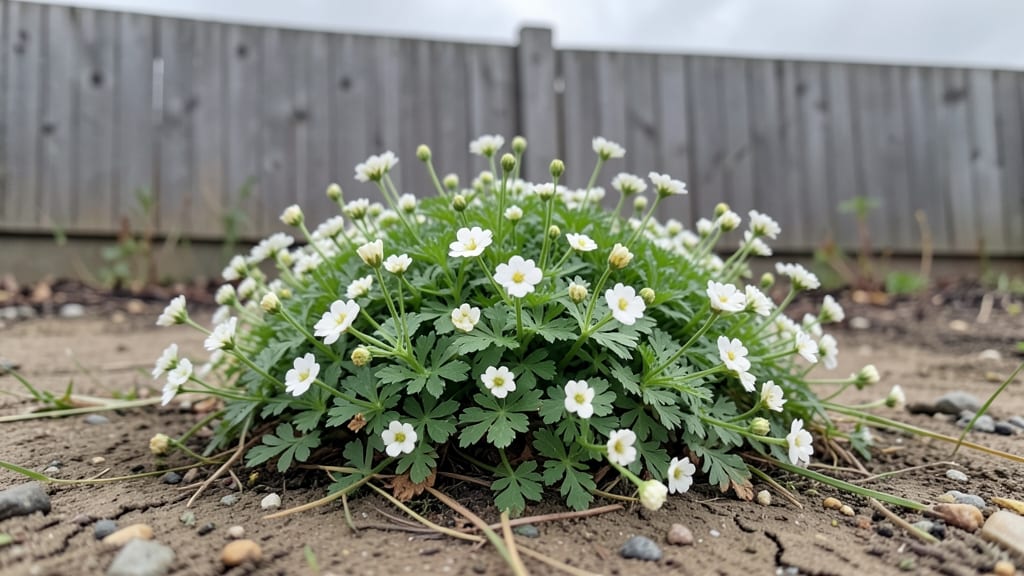
The alyssum flower perennial grows as a cold-hardy annual in most regions, producing abundant blooms in cool weather with sweet-smelling clusters of white, pink, or purple flowers. While it withstands light frost, extreme cold will kill it back, but it reliably self-seeds in spring.
Alyssum's resilience comes from its ability to thrive in USDA zones 3–9, making it a favorite for gardeners in both mild and chilly climates. 🌱 The secret to its success lies in its shallow root system, which allows it to survive light frosts while still producing vibrant flowers.
I've seen it bloom even after temperatures drop below 25°F, though prolonged cold snaps may halt growth until spring. For best results, plant in well-draining soil and provide partial shade during peak summer heat—this helps maintain its cold tolerance throughout the year.
What sets alyssum apart is its dual nature as both a perennial in warm zones and an annual in colder ones.
In regions with harsh winters, it behaves like an annual, completing its life cycle within a single season but leaving behind seeds that sprout fresh plants the following year. This self-sustaining habit makes it low-maintenance and perfect for borders, containers, or even as a ground cover.
The key to maximizing its cold hardiness is choosing the right variety—Alyssum saxatile handles colder temperatures better than Alyssum maritimum, which prefers milder climates.
💡 In This Article
- Alyssum Perennial Cold-Hardiness by Variety
- Year-Round Alyssum Planting and Care Tips
Alyssum perennial cold-hardiness by variety
The cold tolerance of alyssum varies dramatically between species, with Alyssum saxatile (golden alyssum) leading the pack. This variety thrives in USDA zones 3–8, enduring temperatures down to -35°F during dormancy.
Its deep taproot system stores nutrients, allowing it to regrow vigorously once spring arrives. 🌟 The secret lies in its ability to enter a deep dormancy state, where metabolic activity slows to near-zero, preserving energy until warmer conditions return.
In contrast, Alyssum maritimum (sweet alyssum) prefers milder climates, excelling in USDA zones 7–10 with frost tolerance down to 20°F. This variety's shallow root system makes it more vulnerable to cold snaps, though it recovers quickly in spring through prolific self-seeding.
The key difference is their growth habits: saxatile grows upright with woody stems, while maritimum forms low mats—both adaptations that influence their cold resilience differently.
Temperature thresholds matter more than you might think. For saxatile, prolonged exposure below 15°F can cause leaf damage, but the crown survives. Maritimum, however, shows visible frost damage at 25°F and may die back entirely in USDA zone 6 winters.
The science here involves cellular ice formation—saxatile's deeper roots prevent water from freezing in critical tissues, while maritimum's surface growth makes it more susceptible to freeze-thaw cycles.
What most gardeners don't realize is how soil temperature affects regrowth timing. Alyssum seeds require 40–60°F soil temperatures to germinate in spring, which is why early planting in USDA zone 5 often fails—cold soil delays germination until late spring.
This is why saxatile often outperforms maritimum in northern climates: its deeper roots warm faster in spring, giving it a head start on growth.
For practical purposes, here's how these varieties compare in cold climates:
- Zone 3–5: Alyssum saxatile only—plant in full sun with well-draining soil to prevent crown rot during winter thaw
- Zone 6–7: Both varieties work, but maritimum needs winter mulch (2–3 inches of straw) to protect shallow roots
- Zone 8–9: Maritimum thrives as a true perennial, blooming year-round with minimal care
The takeaway? If you're in USDA zone 5 or colder, saxatile is your best bet for reliable cold hardiness. For milder winters, maritimum's fragrant blooms and low-growing habit make it the superior choice.
Either way, proper soil preparation—adding compost and ensuring good drainage—can push these varieties just a bit further outside their ideal zones. 💫