
Flowers
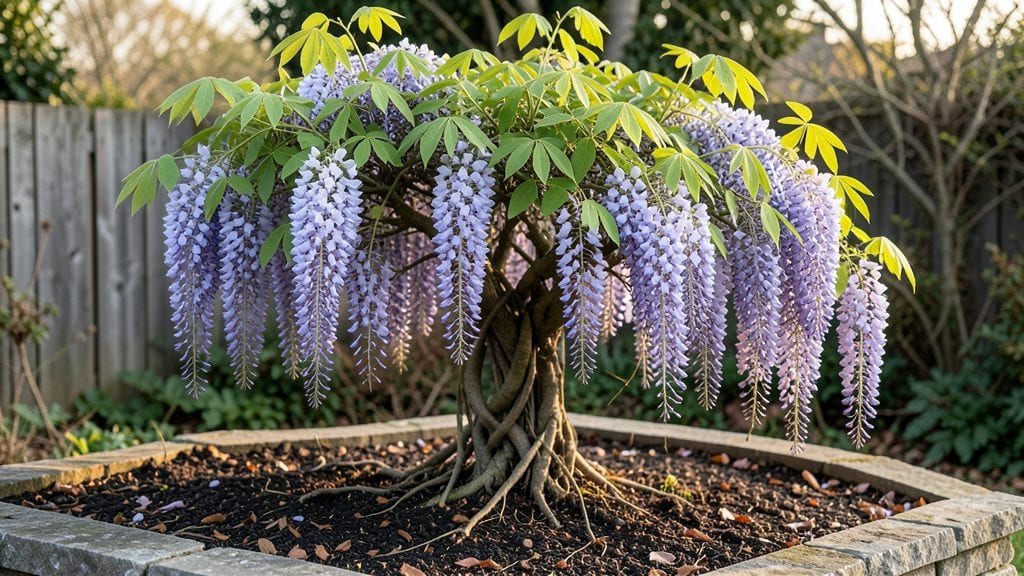
Yes, wisteria is a perennial vine that can live for decades with the right conditions, delivering vibrant blooms each year while developing thick, sturdy stems. Its lifespan hinges on strategic pruning, ample sunlight exposure, and well-draining soil to sustain vigorous growth.
Wisteria's perennial nature means it grows from the same root system year after year, unlike annuals that die back completely each season. 🌿 The deep roots anchor it firmly, while its woody vines store energy for spring blooms—making it a long-lived garden staple.
In ideal conditions, mature wisteria can produce flowers for 50+ years, though neglect often shortens this lifespan dramatically. The key to maintaining its health lies in understanding its growth cycles and when to intervene with pruning.
What sets wisteria apart from other climbing perennials is its ability to adapt to different climates while still requiring consistent care. Unlike clematis, which blooms on both old and new wood, wisteria typically flowers on previous year's growth—meaning winter pruning directly impacts next year's blossoms.
This makes timing everything when you're shaping the vine for maximum beauty and longevity.
💡 In This Article
- Wisteria Lifespan and Growth Habits Explained
- Pruning Wisteria for Longevity and Blooms
Wisteria lifespan and growth habits explained
Wisteria's perennial nature stems from its deep, extensive root system that can spread 15-25 feet wide while reaching depths of 6-10 feet. These roots store carbohydrates during dormancy, fueling new growth in spring.
Unlike annuals, wisteria's woody vines contain specialized cells called vascular cambium, which continuously produce new xylem and phloem tissues—allowing stems to thicken year after year. This biological mechanism enables wisteria to reach 30-50 feet in mature specimens while maintaining structural integrity for decades.
The vine's flowering cycle is tightly linked to its dormancy period, which typically occurs when temperatures drop below 40°F for extended periods. During dormancy, wisteria conserves energy by reducing metabolic activity, similar to how deciduous trees prepare for winter.
What's fascinating is how this cycle adapts across climate zones: in USDA Zone 5, wisteria may enter dormancy by late October, while in Zone 9, it might only slow growth during cooler winter months.
This adaptability explains why wisteria thrives from New England to California when given proper winter protection.
Compared to other climbing perennials, wisteria's lifespan stands out. While clematis typically lives 10-20 years and jasmine 15-25 years, well-maintained wisteria can exceed 50 years—some historic specimens reach 100+ years. The key difference lies in wisteria's woody stem structure and root resilience.
Unlike herbaceous climbers that die back to the ground annually, wisteria's persistent woody framework accumulates strength each year, much like an oak tree's trunk. This structural advantage allows it to support its 1-3 pound flower clusters without toppling, even when laden with blossoms.
Here's what actually happens during its growth cycle: New shoots emerge from lateral buds along mature stems in early spring, fueled by stored root carbohydrates. These shoots grow rapidly during warm weather, with flowering occurring on second-year wood—meaning buds formed last summer will bloom this spring.
The vine's ability to produce flowers on older wood contrasts with many vines that bloom only on current season's growth, giving wisteria a two-year bloom cycle. This biological timing explains why improper pruning can result in no flowers for two years if you remove last year's growth.
The vine's adaptability extends to its photosynthetic efficiency. Wisteria leaves contain high concentrations of chlorophyll, allowing them to convert sunlight to energy even in partial shade—though full sun produces 20-30% more blooms.
Its compound leaves with 9-17 leaflets maximize surface area for photosynthesis, while the vine's twining habit enables it to climb structures without needing additional support. This self-supporting growth pattern reduces stress on the root system compared to vines that require trellises, contributing to its longevity.
What most gardeners don't realize is how wisteria's growth habit changes with age. Young vines focus energy on root and stem development, while mature specimens prioritize flowering. This shift typically occurs around years 3-5, when the vine reaches 10-15 feet in height.
At this stage, proper pruning becomes crucial to maintain the balance between vegetative growth and floral production. Without intervention, wisteria can become aggressive, sending out 50+ feet of new growth annually—eventually overwhelming its root system and shortening its lifespan.
Consider these key factors when planning for long-term growth: wisteria's root system requires well-draining soil to prevent rot, while its woody stems need 6+ hours of sunlight daily for optimal flowering.
The vine's tolerance for -15°F temperatures in dormancy makes it suitable for most U.S. climates, though young plants benefit from winter mulching. Understanding these biological requirements transforms wisteria from a temporary garden accent into a century-long living monument. ✨