
Flowers
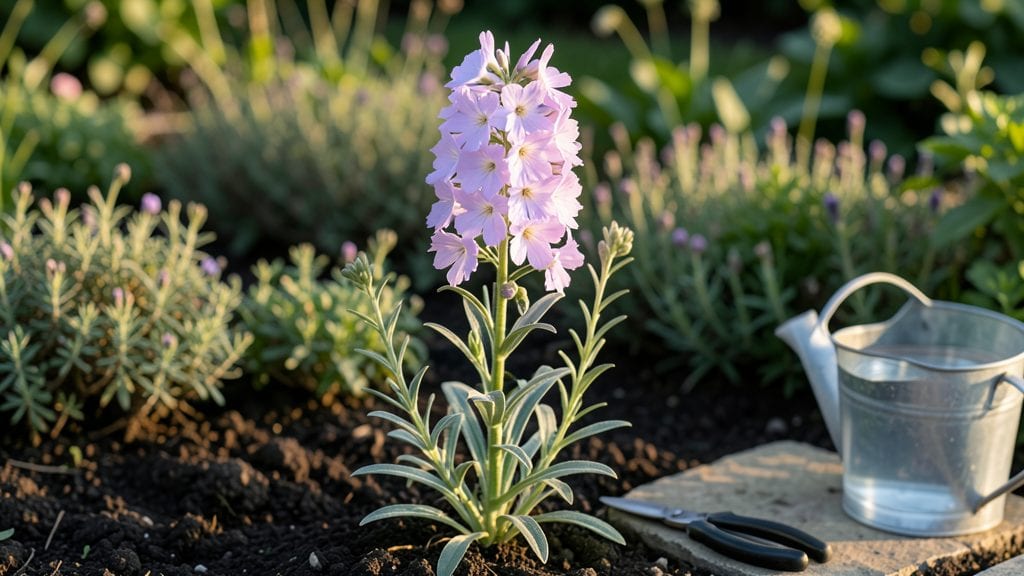
Growing stock flowers as perennials means fragrant blooms that last from spring through frost with almost no fuss. I’ve had mine thrive for years in my garden, and the secret lies in matching their Mediterranean roots to your growing conditions—sun, soil, and spacing.
The first year is all about getting them established, but once they’re happy, they’ll reward you with months of sweet-scented clusters that hummingbirds can’t resist.
They love full sun and well-draining soil, so if your garden stays soggy, amend with compost or plant them on a slight mound. Stock flowers aren’t picky about soil type, but they’ll bloom best in average to slightly alkaline conditions.
Start seeds indoors 8-10 weeks before your last frost, or buy young plants in spring. The key? Give them room—they spread about 12-18 inches wide, so don’t crowd them.
Once planted, water them regularly until established, then let the soil dry slightly between waterings. A light feeding with 5-10-5 fertilizer in early spring encourages strong growth, and deadheading spent blooms keeps them producing.
The fragrance alone makes the effort worth it, but the nearly maintenance-free nature is what truly impresses.
In colder climates, they may die back to the ground but return reliably each spring. If you’re in a mild zone, they’ll often bloom lightly through winter. The biggest challenge?
Keeping them from self-seeding everywhere—just pull extras before they go to seed. With these tips, your stock flowers will become the easiest, most rewarding perennial in your garden.
📚 In This Guide
- What you need
- Instructions
- Tips and common mistakes
- Wrapping up and next steps
What you need
- ● Stock flower perennial plants: Choose disease-resistant varieties like Matthiola longipetala (e.g., 'Giant White' or 'Ruby Glow'). Buy 3–5 plants for a vibrant display.
- ● Well-draining soil: Mix 1 part compost with 2 parts garden soil (or use pre-mixed potting soil for containers). Aim for a pH of 6.0–7.5.
- ● Sunlight access: A spot with 6+ hours of full sun daily (partial shade in hot climates).
- ● Watering can or hose: With a gentle spray nozzle to avoid disturbing roots.
- ● Garden trowel or transplant spade (for planting).
- ● Pruning shears (sharp, sterilized for trimming dead blooms).
- ○ Mulch (optional): 1–2 inches of organic mulch (e.g., straw or shredded bark) to retain moisture.
- ○ Slow-release fertilizer (optional): Balanced 10-10-10 or organic options like fish emulsion.
- ● Containers (if not planting in-ground): 5–7 gallon pots with drainage holes for each plant.
Step-by-step instructions for planting and maintaining stock flower perennials
Here’s how to establish hardy stock flowers that reward you with fragrant blooms season after season.
Choose the Right Location and Prepare the Soil
Stock flowers thrive in full sun—select a spot that receives at least 6-8 hours of direct sunlight daily. If your climate is hot, afternoon shade helps prevent wilting. Clear the area of weeds and rocks, then loosen the soil to 12 inches deep with a garden fork. Stock flowers prefer well-draining soil, so if yours is heavy clay, mix in 2-3 inches of compost to improve aeration.
Here’s the thing—stock flowers hate soggy roots. If your soil drains poorly, create a 6-inch mound and plant on top. You’ll see healthier stems and more abundant blooms when roots aren’t waterlogged. Test the soil’s moisture by squeezing a handful—it should crumble easily when dry but hold together when damp.
Plant Stock Flowers at the Correct Depth and Spacing
Dig holes twice as wide as the root ball but only as deep as the container’s base. Gently remove the plant from its pot and tease apart any circling roots. Place it in the hole so the top of the root ball sits just below soil level—burying too deep can cause rot. Fill the hole with soil, pressing lightly to eliminate air pockets.
Space plants 12-18 inches apart for optimal airflow and growth. Crowding leads to weak stems and fewer blooms. If you’re planting in rows, maintain 18-inch spacing between rows. Water deeply after planting to settle the soil and encourage root expansion. You’ll know it’s right when water drains through the hole within 15-20 minutes.
Water and Fertilize for Strong Establishment
Water newly planted stock flowers once a week for the first 4-6 weeks, providing 1 inch of water per week. Check soil moisture by sticking your finger 2 inches deep—if it feels dry, water again. Avoid overhead sprinkling, which can spread disease. Instead, water at the base early in the morning to let foliage dry quickly.
Apply a balanced, slow-release fertilizer (10-10-10) at planting time, following label instructions. In early spring, add another dose to promote blooming. Stock flowers are light feeders, so over-fertilizing leads to lush foliage but fewer flowers. You’ll see the best results when roots establish before heavy feeding begins.
Prune and Deadhead for Continuous Blooms
Deadhead spent blooms by pinching off flowers just above the first set of healthy leaves. This encourages more blooms and prevents seed formation, which drains the plant’s energy. Do this every 2-3 weeks during the growing season. You’ll notice new buds forming within 7-10 days of pruning.
In late fall, cut back stems by one-third to shape the plant and remove any dead or diseased growth. Avoid heavy pruning in early spring—stock flowers bloom on new growth, so wait until after the first flush of flowers appears. Mulch around the base with 2-3 inches of organic mulch to protect roots from winter cold.
Overwinter and Prepare for Next Season
Stock flowers are hardy perennials, but they benefit from winter protection in colder climates. Apply a 4-inch layer of mulch around the base after the first frost to insulate roots. In zones with below 0°F temperatures, add a lightweight row cover or burlap wrap to shield the crown from freezing.
In early spring, remove mulch and row covers once temperatures rise above 40°F. Prune back any dead growth and fertilize lightly to jumpstart new growth. Stock flowers are slow to emerge in spring, so don’t panic if you don’t see foliage until late April or early May. Patience pays off—once established, they’ll bloom reliably for years.
Tips & tricks for perfect stock flower perennials
Here's what I've learned after years of growing these fragrant beauties—simple tricks that make all the difference between healthy plants and struggling survivors.
Sunlight Secret: If your location gets intense afternoon sun, consider planting stock flowers near a fence or wall that provides natural afternoon shade during the hottest hours. I've seen plants wilt dramatically in full afternoon sun, even when they thrive with morning sun. A simple white shade cloth (30-50% coverage) can also work wonders on scorching days.
Soil Test Tip: Before planting, do a simple DIY drainage test in your garden spot. Dig a hole 12 inches deep, fill it with water, and time how long it takes to drain. If water remains after 6 hours, you'll need to create that raised mound or amend with sand. Proper drainage is non-negotiable for stock flowers—they'll reward you with stronger stems and more abundant blooms when roots aren't sitting in soggy soil.
Watering Wisdom: The 2-inch deep moisture check in Step 3 is your best friend. I've found that morning watering at the base (not overhead) prevents fungal issues completely. If you notice leaves wilting during the day, it's often a sign of inconsistent watering—stock flowers prefer steady moisture rather than occasional deep soaks. A drip irrigation system set to deliver 1 inch per week works perfectly for established plants.
Pruning Precision: When deadheading every 2-3 weeks, use clean, sharp pruners to make clean cuts just above the first set of healthy leaves. I've noticed that using your fingers to pinch off blooms can sometimes damage stems, leading to entry points for disease. After pruning, give your plants a light mist of water to help them recover quickly—you'll see new buds forming within that 7-10 day window mentioned in the instructions.
Pro Tips for Stock Flower Perennial
- Here's what I've learned after years of growing these fragrant beauties—simple tricks that make all the difference between healthy plants and struggling survivors.
- Sunlight Secret: If your location gets intense afternoon sun, consider planting stock flowers near a fence or wall that provides natural afternoon shade during the hottest hours.
- Soil Test Tip: Before planting, do a simple DIY drainage test in your garden spot.
Frequently asked questions
Got questions about stock flowers as perennials?
You’re not alone! Here are some of the most common queries—plus quick, practical answers to help you grow these fragrant beauties with confidence.
Are stock flowers truly perennial, or do they die back in winter?
Stock flowers (Matthiola incana) are short-lived perennials in mild climates (Zones 7–10), but they often self-seed prolifically. In colder zones, treat them as annuals—they’ll regrow from seeds the next spring. For year-round blooms, plant them in fall or early spring and protect them with mulch or frost cloth in winter.
How long does it take for stock flowers to bloom after planting?
From seed, expect blooms in 8–12 weeks under ideal conditions (full sun, well-draining soil, and consistent moisture). Transplants may flower in 6–8 weeks. For faster results, choose established plants or start seeds indoors 4–6 weeks before your last frost date. Pro tip: Deadhead spent blooms to encourage more flowers and extend the season!
Can stock flowers grow in containers, or do they need garden beds?
Stock flowers thrive in containers 12+ inches deep with drainage holes. Use a lightweight potting mix and fertilize every 4–6 weeks. Place pots in full sun and water when the top inch of soil feels dry. Just be mindful—they may need staking if grown in small spaces, as their tall stems can flop.
What pests or diseases should I watch for with stock flowers?
Stock flowers are generally low-maintenance, but keep an eye out for aphids, cabbage loopers, and powdery mildew (especially in humid climates). To prevent issues:
- Space plants 12–18 inches apart for airflow.
- Remove yellowing leaves promptly.
- Spray with neem oil if pests appear.
Overwatering can lead to root rot, so ensure soil drains well. Pro tip: Mulch around the base to retain moisture without suffocating roots!
What are some great companion plants for stock flowers?
Stock flowers pair beautifully with:
- Low-growing perennials like thyme, lavender, or creeping phlox (to contrast their height).
- Annuals such as marigolds or nasturtiums (to deter pests naturally).
- Vegetables like lettuce or radishes (they tolerate light shade from taller stocks).
Avoid planting near heavy feeders like tomatoes or peppers, which compete for nutrients. Pro tip: Mix in sweet alyssum for a fragrant, pollinator-friendly border!
Wrapping up and next steps
Transforming your garden into a year-round floral paradise with stock flower perennials is easier—and more rewarding—than you think! 🌸 These hardy, low-maintenance beauties deliver vibrant blooms with minimal fuss, making them the perfect choice for both novice and seasoned gardeners.
Whether you're drawn to their fragrant charm or their versatile beauty, stock flowers prove that stunning gardens thrive on effortless elegance.
Ready to take the next step? Start small—plant a few in your garden or even in containers—and watch your space flourish! For extra inspiration, explore local nurseries or online seed suppliers to find the perfect varieties for your climate. Happy gardening! 🌱