
Shrubs
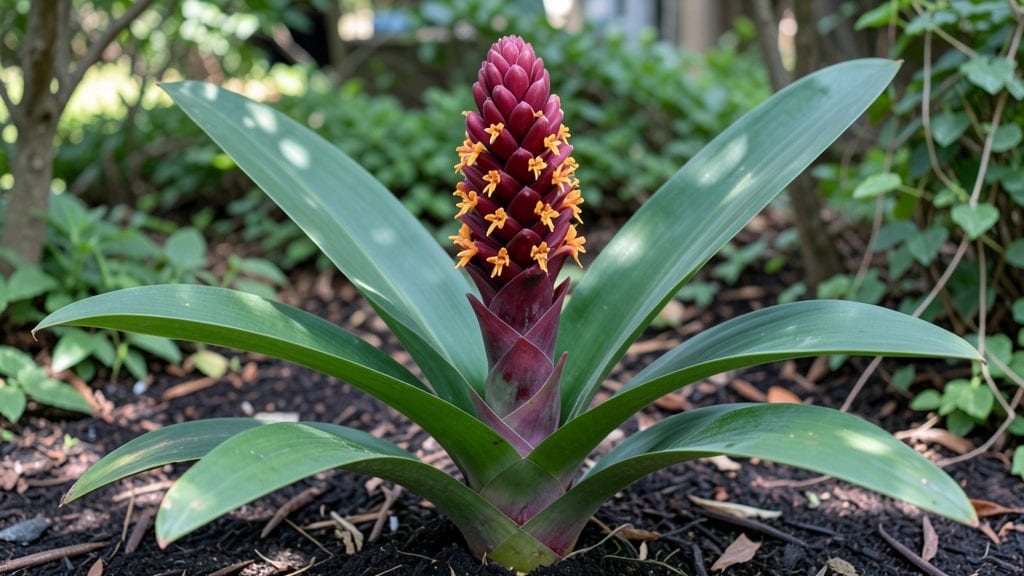
Flowering ginger acts as a perennial in warm climates, returning year after year with consistent care. In colder regions, it functions more like an annual or short-lived perennial, needing seasonal adjustments to survive.
This tropical plant thrives in USDA zones 8-11, where its rhizomes naturally overwinter underground. 🌿 In cooler areas, frost kills the foliage, but the roots often persist—given proper protection like mulch or containers, they can regrow each spring.
The key difference lies in how cold-hardy the variety is; some cultivars handle brief chills better than others.
Gardeners in northern climates often treat it as a short-term perennial, replanting fresh rhizomes annually for continuous blooms. The plant's ability to regenerate from roots makes it surprisingly resilient, even when the above-ground growth dies back completely.
With the right care, you can coax multiple seasons of vibrant flowers from what might otherwise seem like a one-year wonder.
💡 In This Article
- Flowering Ginger’s Growth Cycle and Cold Hardiness
- Extending Flowering Ginger’s Lifespan in Cool Climates
Flowering ginger’s growth cycle and cold hardiness
Flowering ginger (like Hedychium or Alpinia species) originates from tropical regions where temperatures rarely drop below 50°F. This heritage explains why it thrives as a true perennial in USDA zones 8-11, where winters rarely see hard freezes.
In these climates, the plant's thick, fleshy rhizomes store nutrients underground, allowing it to regenerate foliage each spring without interruption. The above-ground stems may die back in mild winters but the root system remains dormant yet viable, ready to sprout when temperatures rise above 60°F.
The plant's dormancy mechanism kicks in when nighttime temperatures consistently fall below 55°F. At this point, the rhizomes enter a state of reduced metabolic activity, conserving energy while maintaining cellular integrity.
This is similar to how Alocasia tubers survive winter—both plants rely on underground storage organs to endure cold periods. The key difference is that flowering ginger's rhizomes are more sensitive to prolonged freezing, which is why they struggle in zones colder than 7 without protection.
In colder regions (zones 6 or below), flowering ginger behaves like an annual because frost damages or kills the foliage and even the rhizomes if temperatures drop below 20°F for extended periods. The plant's tropical genetics haven't evolved to handle freeze-thaw cycles common in temperate climates.
However, what most gardeners don't realize is that the rhizomes often survive brief cold snaps—it's the repeated freezing and thawing that causes irreversible damage by rupturing cell walls. This is why mulching with 6-8 inches of organic material can make a dramatic difference in northern gardens.
Here's what's actually happening at the cellular level: flowering ginger's rhizomes contain high concentrations of starch and moisture, which expand when frozen. This expansion creates internal pressure that can burst cells if the freeze persists.
The plant's natural defense is to shut down growth completely when temperatures drop, but this shutdown isn't foolproof against prolonged cold. In contrast, hardy perennials like peonies have developed antifreeze proteins that protect their cells during winter.
The regrowth process begins when soil temperatures reach 55-60°F consistently. New shoots emerge from the rhizomes' growth points (nodes), which contain meristematic tissue capable of rapid cell division. You'll often see the first signs of regrowth as small, pale green shoots pushing through the soil in early spring.
This is why gardeners in colder zones can successfully replant rhizomes each year—they're not dead, just dormant. The challenge is maintaining that dormancy state properly until conditions are favorable for regrowth.
One fascinating aspect is how flowering ginger's blooming cycle ties to temperature cues. Most varieties require 12-14 hours of daylight combined with warm soil temperatures (65°F+) to trigger flowering.
This photoperiod sensitivity explains why you might get more abundant blooms in the second year of growth—once the rhizome has established a robust root system. In colder climates, this means timing your planting carefully to give the plant enough growing season before winter sets in.
The bottom line is that flowering ginger's perennial status depends entirely on your climate. In warm zones, it's a low-maintenance, long-lived plant that rewards gardeners with years of tropical beauty. In cooler areas, it becomes a seasonal player that requires more attention to survive the winter.
But with the right techniques—like overwintering rhizomes in containers or heavily mulched beds—you can extend its lifespan significantly beyond what most people expect.