
Vegetables
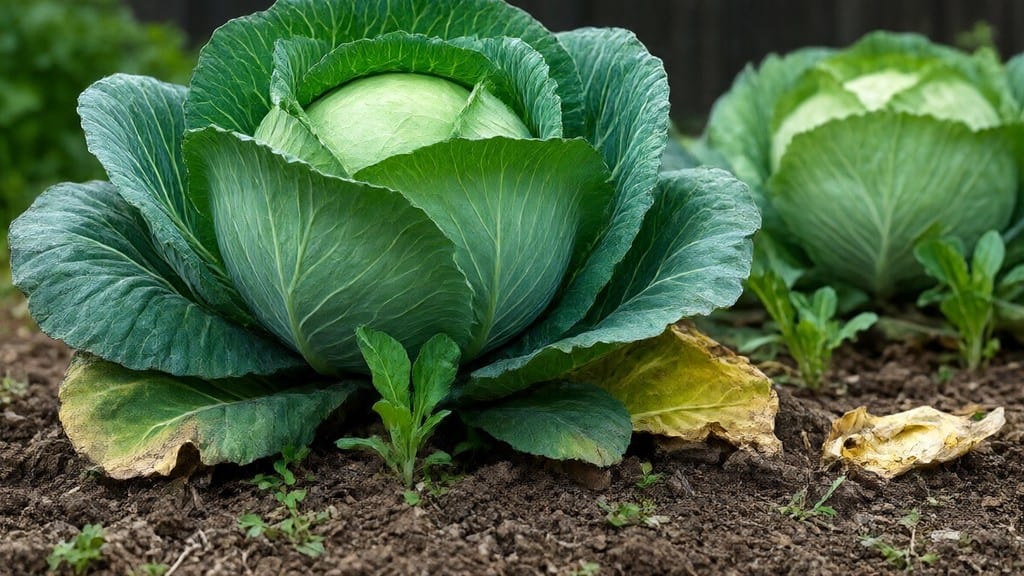
Cabbage is not a perennial—it completes its growth cycle in one season, meaning it dies back after producing its harvest. While some cold-hardy varieties may survive mild winters and regrow, they’re not true perennials like asparagus or rhubarb.
Botanically speaking, cabbage is classified as a biennial in its natural two-year lifecycle, but gardeners treat it as an annual because most varieties bolt (flower prematurely) or succumb to frost after their first year. 🌱 The confusion arises with cold-hardy types like 'Winterbor' or 'January King,' which can persist through winter if protected—though they’ll still produce only once before dying.
True perennials regrow from the same root system year after year, while cabbage relies on new seedlings.
This distinction matters for garden planning: annuals require replanting each season, while perennials offer multi-year harvests. For example, if you leave a cabbage plant standing through winter in Zone 5, it might regrow in spring—but that’s not the same as perennial behavior.
The key difference lies in root survival and reproductive strategy.
💡 In This Article
- Cabbage’s Annual vs Perennial Growth Behavior
- Extending Cabbage Harvests: Overwintering Tips
Cabbage’s annual vs perennial growth behavior
Cabbage belongs to the Brassica oleracea family and is botanically classified as a biennial, meaning it completes its life cycle in two years under natural conditions. However, gardeners cultivate it as an annual because most varieties flower and bolt (produce seeds) in their first year if not harvested first.
The key difference lies in its reproductive strategy: true perennials like asparagus or rhubarb regrow from the same root system, while cabbage relies on new seedlings each season. 🌱
The confusion arises with cold-hardy cabbage varieties like 'Winterbor' or 'January King,' which can survive 20-25°F temperatures if protected. These plants may regrow in spring from their crown (the base where leaves attach), but this isn't true perennial behavior—it's a survival adaptation.
True perennials, such as rhubarb, store energy in their roots and regrow year after year without replanting. Cabbage, however, will eventually die after producing its harvest, even if it survives winter.
Here's what happens in winter: when temperatures drop below 15°F, most cabbage varieties succumb to frost damage. The plant's leaves may turn yellow or black, but if the crown remains intact and protected (e.g., with mulch or row covers), some varieties can regrow in spring.
This regrowth is limited—often producing only small, bitter leaves—and the plant won't survive another winter. Compare this to asparagus, which can live for 15-20 years with proper care. 🌡️
The science behind this involves vernalization, a process where cold exposure triggers flowering. Cabbage plants exposed to prolonged cold (below 40°F for weeks) will bolt, producing flowers and seeds in their first year.
This is why gardeners in colder climates harvest cabbage before winter or use cold-hardy varieties that delay bolting. True perennials, on the other hand, avoid bolting until they've stored enough energy in their roots to survive multiple growing seasons.
For gardeners, this means planning ahead: annual cabbage requires replanting each spring, while perennials like kale or Brussels sprouts (which are also biennials but often treated as perennials) can be harvested for multiple years.
Cold-hardy cabbage varieties offer a middle ground, extending harvests into winter but not eliminating the need for replanting. The choice depends on your climate and how much effort you're willing to put into overwintering. 🌿
Consider this example: in USDA Zone 5, a gardener might plant 'Winterbor' cabbage in early summer, harvest some heads in fall, and leave the rest standing with mulch.
If winter temperatures stay above 10°F, the plant may regrow in spring, producing a few more small heads—but it won't be the same as a true perennial. This is why gardeners often save seeds from their best plants or replant each year for reliable harvests.