
Blooming
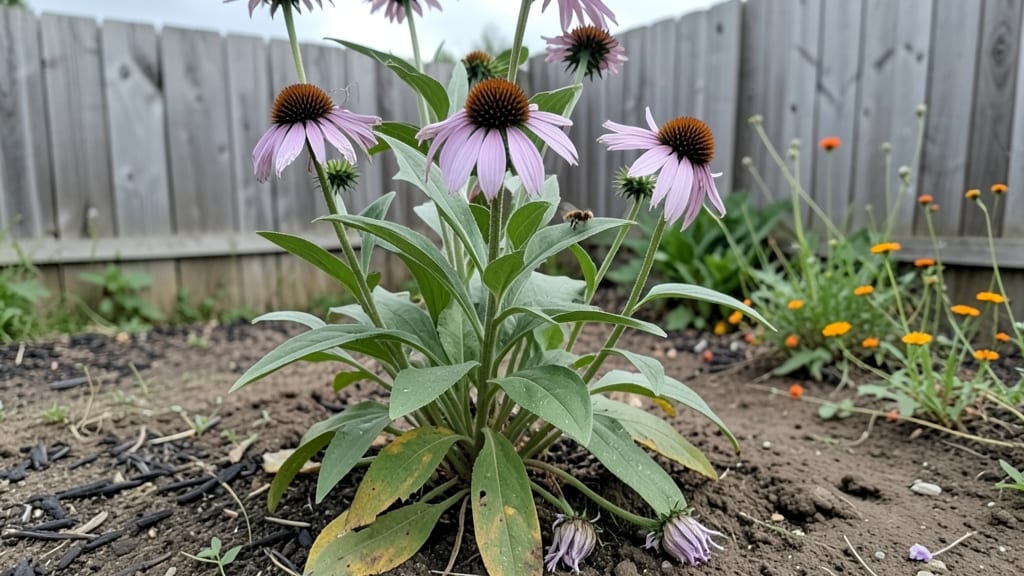
Late summer blooming perennials keep gardens vibrant through August and September with tough varieties like coneflowers, black-eyed Susans, and sedum. These sun-loving plants handle drought well once established and need almost no upkeep.
These hardy plants have evolved to thrive when many gardeners are already tired of summer heat. 🔥 Their deep root systems tap into moisture deep underground, while waxy leaves reduce water loss—perfect for when rainfall slows.
I've seen coneflowers still blooming in 95°F heat with no extra watering after their first year. The key is planting them in well-draining soil and giving them full sun exposure from the start.
What makes them especially valuable is how they support pollinators when other flowers have faded. Bees and butterflies rely on these late-season bloomers for their final food sources before winter. For example, pairing bee balm with goldenrod creates a pollinator magnet that flowers from July through October.
💡 In This Article
- Why Late Bloomers Thrive in Hot, Dry Conditions
- Best Late-Season Perennial Pairings for Pollinators
Why late bloomers thrive in hot, dry conditions
Here's what's actually happening beneath the soil: late-season perennials like coneflowers and sedum develop taproots that can extend 3-5 feet deep, accessing moisture stored from spring rains. This adaptation lets them survive droughts that would wilt shallow-rooted spring bloomers like tulips or daffodils.
The roots also produce mycorrhizal fungi that enhance nutrient uptake, giving these plants a competitive edge during heatwaves.
Their foliage isn't just decorative—it's a survival strategy. Waxy leaf coatings create a protective barrier that reduces water loss through transpiration by up to 40% compared to smooth-leaved plants.
For example, sedum's thick, fleshy leaves store water like tiny reservoirs, while coneflowers have fine hairs that reflect sunlight and cool the plant surface. This explains why you'll often see them thriving in full sun conditions where other perennials would scorch.
The science behind their vibrant late-season blooms involves heat-resistant pigments. Anthocyanins—those deep purples and reds in flowers like black-eyed Susans—act as natural sunscreen, protecting plant tissues from UV damage while also attracting pollinators.
Unlike spring bloomers that rely on bright colors to stand out against green foliage, these pigments help late bloomers remain visible in browned, heat-stressed gardens. The trade-off? Their flowers often have thicker petals that require more energy to produce, which is why they bloom later when temperatures stabilize.
What most gardeners don't realize is how these adaptations contrast with spring perennials. Take peonies for example—their shallow roots and delicate blooms need consistent moisture and cooler temperatures.
Their growing season peaks in May when soil temperatures average 60-65°F, while late bloomers like coneflowers actually prefer soil temps above 70°F for optimal flowering. This biological timing explains why your spring perennials fade just as late bloomers reach their peak.
Consider the case of Echinacea purpurea (coneflower): its deep roots can access water from 4-6 feet underground, while its flowers contain polyphenols that help regulate internal temperatures. These compounds act like a plant's built-in cooling system, allowing it to maintain metabolic functions during 90°F+ days.
The result? A plant that continues blooming when most gardens look spent, providing both color and ecosystem support.
For practical application, this means you can plant these drought-tolerant stars in well-draining soil with minimal mulch—their roots need room to grow deep. Unlike spring bloomers that benefit from winter mulch, late-season perennials actually prefer bare soil around their bases to prevent moisture retention that could cause rot.
The key takeaway? These plants have evolved to outlast summer's harshest conditions while providing beauty and pollinator support when it's needed most. 💫