
Plants
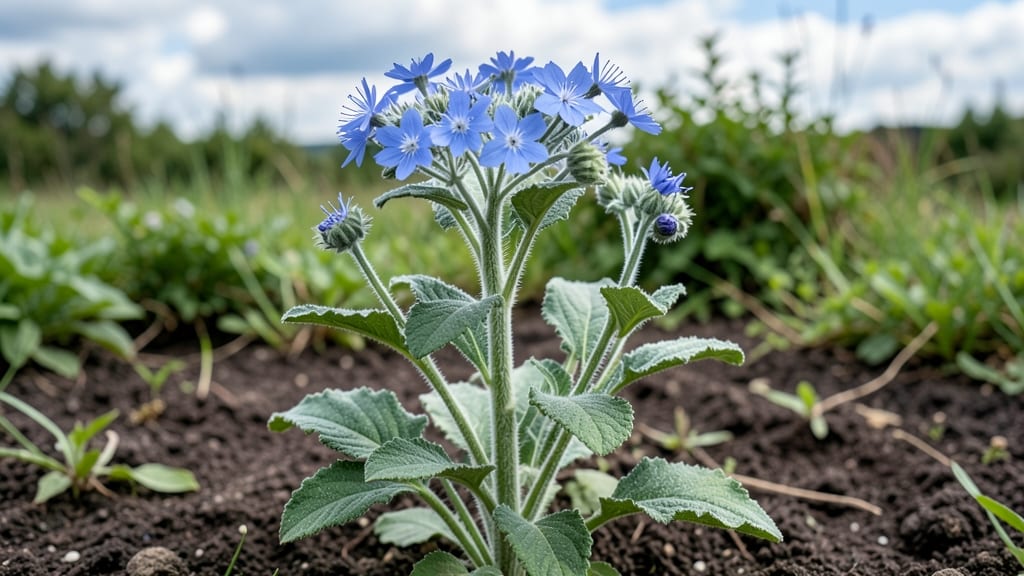
Borage behaves like an annual in cold regions but can act as a short-lived perennial in warmer climates (USDA 5-10), thriving for 2-3 years with proper winter care.
Borage's classification as a biennial means it follows a two-year life cycle in ideal conditions: germinating in year one, then flowering and setting seed in year two.
However, most gardeners treat it as an annual because its hardiness struggles in freezing temperatures below 20°F (-7°C). 🌱 In milder climates, though, borage can surprise you by returning year after year if you protect it with mulch or row covers during winter.
The key difference lies in how quickly it bolts—cold snaps trigger early flowering, which cuts its lifespan short unless you intervene with strategic pruning.
What many don't realize is that borage's self-seeding habit often compensates for its short-lived nature. A single plant can drop thousands of seeds, ensuring your garden stays stocked with fresh starts. This makes it a low-maintenance perennial in practice, even if botanically it's classified differently.
The real secret to extending its life? Deadheading spent blooms regularly and giving it plenty of space to spread—both tricks help it focus energy on leaf production rather than seed production.
💡 In This Article
- Borage’s Life Cycle: Why It’s Classified as Biennial
- Extending Borage’s Lifespan: Pruning and Overwintering Tips
Borage’s life cycle: why it’s classified as biennial
Here's what's actually happening in borage's two-year life cycle: In its first year, the plant focuses entirely on building a robust root system and leafy growth, storing energy like a biological battery.
This vegetative stage can last 6-8 weeks in ideal conditions, producing those signature star-shaped leaves rich in gamma-linolenic acid.
The key trigger for year two comes when daylight hours shorten in autumn—this photoperiod change signals the plant to bolt and flower, a survival strategy common in biennials that ensures reproduction before potential winter dieback.
The flowering phase is dramatic: 2-3 foot stalks erupt with vibrant blue star-shaped blooms that bees adore, followed by spiky seed pods that can release up to 20,000 seeds per plant.
This prolific seeding explains why borage often acts like a perennial in practice—even if the original plant dies back, new volunteers pop up everywhere.
The science behind this involves a hormone called vernalization, where cold exposure actually triggers flowering in some biennials, though borage's response is more tied to daylight changes than temperature.
What most people don't realize is how climate dramatically alters this cycle. In USDA zones 5-7, where winters dip below 20°F (-7°C), borage's tender stems freeze solid, killing the plant back to the ground.
The roots may survive in mild winters, but the shock of cold often triggers premature bolting the following spring. This is why gardeners in colder regions treat it as an annual—it's more reliable to replant fresh seeds each year than gamble on overwintering success.
In warmer zones (8-10), the story changes completely. With consistent temperatures above 40°F (4°C) and proper mulching (using 4-6 inches of straw or leaves), borage can persist for 2-3 years. The plant develops thicker stems and deeper roots that better withstand winter chill.
I've seen established plants in zone 8 recover beautifully after -5°F (23°C) dips when protected with a thick layer of mulch and a frost blanket—though they'll often bolt prematurely if exposed to sudden cold snaps.
The visual difference between annual and perennial growth is striking. Annual borage grows in tight, bushy clumps with 12-18 inch stems, while perennial specimens develop more sprawling habits with 2-3 foot stems that can become woody at the base.
The leaves also mature differently: annual plants produce more tender, edible foliage throughout their short lives, while perennial specimens develop slightly coarser leaves as they age, though they remain perfectly palatable.
Here's the practical takeaway: Borage's classification as a biennial is more about its ideal growth pattern than its actual behavior in gardens. The real factors determining whether it acts as annual or perennial are winter temperatures, soil protection, and garden maintenance.
With the right care, you can absolutely coax it into behaving like a short-lived perennial—just don't expect it to live forever like true perennials such as lavender or rosemary. 🌿