
Mower
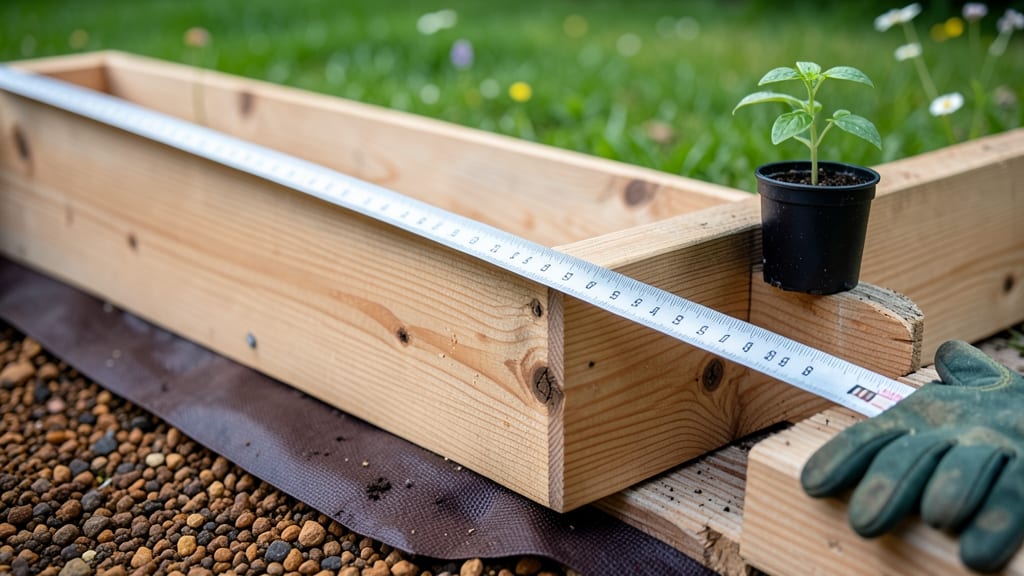
The ideal raised bed dimensions are 4 feet wide by 8 feet long, balancing accessibility, soil depth, and efficient use of space while allowing easy reach from all sides without stepping inside.
This standard size isn't arbitrary—it's designed to let you stand comfortably on either side without overreaching, which is critical for maintaining soil quality and preventing compaction. 🌱 A 4-foot width means you can reach the center from both sides without stepping into the bed, while the 8-foot length maximizes growing space without requiring excessive materials.
Many gardeners also find this size perfect for growing tall crops like tomatoes or pole beans alongside shorter plants, creating a natural vertical balance.
For those with limited space, narrower beds (like 3 feet wide) work too, but you'll need to step inside to tend crops, which can compress the soil. The depth of 10-12 inches is equally important—it accommodates deep-rooted plants while keeping materials manageable.
Whether you're a beginner or a seasoned gardener, these dimensions offer the best trade-off between productivity and ease of maintenance.
💡 In This Article
- Why 4x8 Feet Maximizes Garden Productivity
- Customizing Raised Bed Dimensions for Small Spaces
Why 4x8 feet maximizes garden productivity
The 4-foot width of an ideal raised bed is a game-changer for accessibility and soil health. When you stand on either side, your arm can comfortably reach the center without overstretching—this means no more bending awkwardly or stepping into the bed, which can compact the soil and disrupt root growth.
Studies show that soil compaction reduces porosity by up to 30%, limiting oxygen and water flow to roots. A 4-foot width also aligns with the average adult's arm span (5-6 feet), making it the sweet spot for ergonomic gardening. 🌱
Length matters just as much—an 8-foot bed provides enough space to grow multiple rows of crops without overcrowding, while still being manageable for most gardeners. Compare this to a 2x4-foot bed: you'd need 4 beds to match the yield of one 4x8-foot bed, but the materials and maintenance would quadruple.
The 8-foot length also allows for companion planting strategies, like pairing nitrogen-fixing beans with tomatoes, which boosts overall plant health. Plus, it fits neatly against fences or walls, maximizing your garden's footprint.
Depth plays a crucial role too. A 10-12-inch soil layer accommodates deep-rooted plants like carrots, potatoes, and asparagus, while keeping materials (like cedar or composite lumber) lightweight and affordable.
Shallower beds (6 inches) restrict root growth, leading to stunted plants, while deeper beds (>12 inches) require more soil and can become waterlogged. The 10-12-inch range strikes the perfect balance—enough for robust growth without the hassle of excessive fill or drainage issues. 💧
Another key factor is the bed's aspect ratio. A 4x8-foot bed has a 2:1 length-to-width ratio, which is ideal for airflow and light distribution.
Wider beds (like 6 feet) can create "shade zones" in the center where sunlight is blocked by taller plants, while narrower beds (like 3 feet) force you to step inside, compacting the soil.
The 4x8 design also works seamlessly with raised bed frames, tools, and even drip irrigation systems, making it the most practical choice for both beginners and experts.
For those with limited space, consider modular 4x4-foot beds. While they yield slightly less, they offer the same accessibility benefits and can be arranged in grids or L-shapes to fit tight areas.
The trade-off? You’ll need more beds to match the output of a single 4x8-foot bed—but the flexibility in layout often makes up for it. 🌿
Ultimately, the 4x8-foot dimensions aren’t just a standard—they’re a science-backed optimization for productivity, ease of use, and soil health. Whether you're growing vegetables, herbs, or flowers, this size ensures you can tend to your garden efficiently while giving your plants the space they need to thrive.