
Planting
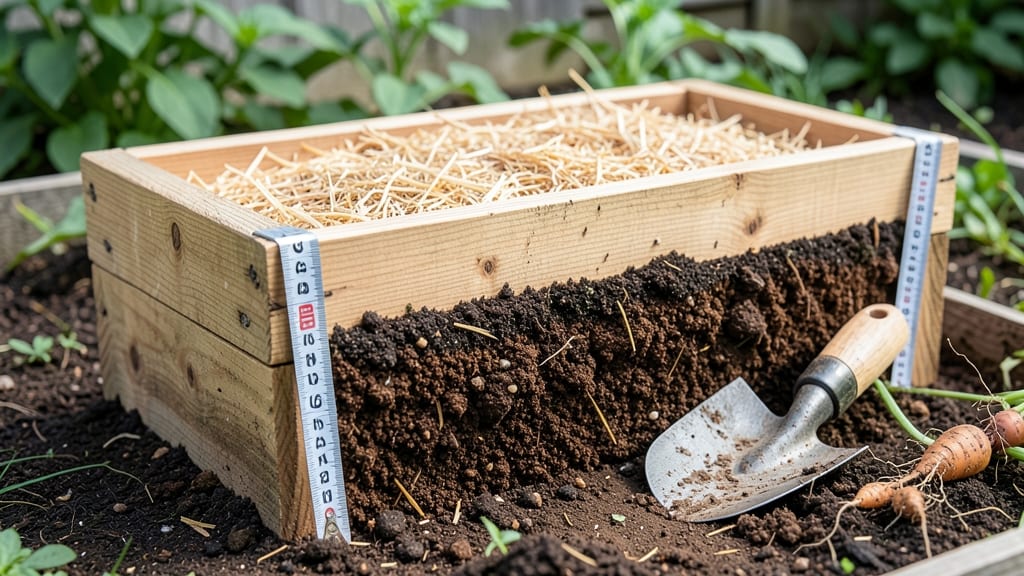
Determining how deep a raised garden bed needs to be starts with your plants' root systems—most vegetables and herbs require 6 to 12 inches of soil depth to support healthy growth, with shallow-rooted greens like lettuce thriving in just 6 inches while deep-rooted crops like tomatoes need 12+ inches for optimal development.
A raised bed's depth isn't just about fitting roots—it's about creating the perfect environment for them to grow. 🌱 The extra inches provide room for soil microbes to thrive, improve drainage (critical for preventing root rot), and allow plants to establish stronger anchors.
I've found that deeper beds also help retain moisture better, which is especially helpful in hot climates or for water-intensive crops like cucumbers. For herbs like basil, even 6 inches works, but adding a few inches of compost-rich soil on top gives them the nutrients they crave.
Another key factor is accessibility—beds that are 12 inches deep or more let you kneel comfortably while planting, weeding, or harvesting without straining your back. If you're working with limited space, consider building beds with removable bottoms or adding extendable sides to adjust depth as your plants mature.
This flexibility lets you tailor the soil volume to each season's needs without rebuilding the entire structure.
💡 In This Article
- Root Depth Requirements for Common Vegetables and Herbs
- Designing Raised Beds for Maximum Plant Success
Root depth requirements for common vegetables and herbs
Understanding root depth is the foundation of designing an effective raised bed. Shallow-rooted crops like lettuce, spinach, and radishes only need 4 to 6 inches of soil because their roots spread horizontally rather than growing deep. These plants absorb nutrients from the topsoil layer, where microbial activity is highest.
In contrast, deep-rooted vegetables such as tomatoes, potatoes, and carrots require 12 to 18 inches to establish strong anchors and access subsoil moisture during dry spells. The difference isn't just about space—it's about survival. 🌱
Herbs like thyme, oregano, and chives typically thrive in 6 to 8 inches of soil, while basil and cilantro can adapt to shallower depths but benefit from extra compost in the top layer.
The key is matching root systems to soil volume: carrots need deep beds because their tapered roots grow downward, while onions and garlic only require 6 inches since their bulbs form near the surface.
For example, a tomato plant's root system can spread 2 to 3 feet wide but only needs 12 inches depth to access sufficient nutrients.
Soil depth also affects plant stability—deeper roots mean less toppling in wind or rain. I've noticed that even shallow-rooted plants like strawberries produce better yields in 8-inch-deep beds because the extra soil volume supports more robust growth. The trade-off?
Deeper beds require more soil mix, which can be costly, but the payoff is healthier plants with higher yields. For instance, a 12-inch-deep bed for tomatoes can produce 20-30% more fruit than one that's only 6 inches deep, thanks to improved root development.
What most gardeners overlook is how soil compaction affects root growth. In raised beds, loose, well-aerated soil allows roots to penetrate easily, whereas compacted soil in ground-level gardens can stunt root development.
Adding organic matter like compost or coconut coir improves soil structure, making even 6-inch beds viable for shallow-rooted crops. The rule of thumb: the deeper the bed, the more forgiving it is for less-than-ideal soil conditions. 🌿
For mixed planting, aim for a 10-inch minimum depth to accommodate a variety of crops. This depth works well for combining lettuce (shallow roots) with carrots (deep roots) in the same bed, though you'll need to space them properly.
The extra 2 inches of soil provide a buffer for deeper roots while still supporting the shallower ones. If you're growing potatoes, consider 12+ inches—their tubers need room to expand, and shallow beds can lead to stunted harvests.
Pro tip: Use a soil depth gauge or simply measure your bed's height before planting. If you're unsure about a plant's root depth, check seed packets or plant profiles—they often list recommended soil depths.
For example, broccoli and cauliflower need 12 inches of soil to develop their heavy heads, while bush beans manage fine in 6 inches. Planning ahead saves you from transplanting mid-season! ✨
Remember, soil depth isn't just about roots—it's also about drainage. A 6-inch bed may suffice for lettuce, but without proper drainage, water can pool at the bottom, causing root rot. Always include a layer of gravel or landscape fabric at the base to prevent waterlogging, even in shallower beds.
This small adjustment can mean the difference between thriving plants and failed harvests. 💧