
Flowers
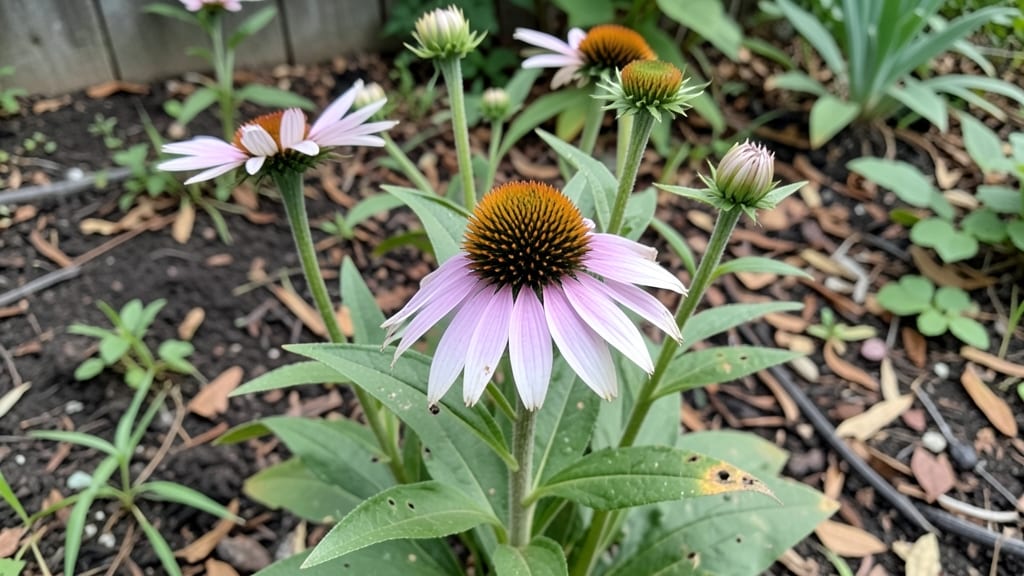
Understanding herbaceous perennial meaning unlocks the secret to effortless gardening—these plants return year after year, thriving through seasons without replanting. in winter but return with vigor, saving you time and money.
Unlike annuals that fade in one season, these plants build roots and strength over time, creating a garden that feels like home.
Think of classics like coneflowers, black-eyed Susans, or daylilies—they’re the backbone of low-maintenance gardens. They thrive in most climates, need less water once established, and attract pollinators all season long.
The key to choosing them is matching their sunlight needs (some love shade, others bask in full sun) and soil preferences, but most are forgiving once you get started.
What makes them special is how they transform a garden over time. A single hosta can grow into a lush clump, while a coneflower patch multiplies yearly. They also play well with others—plant them near shrubs for structure or in borders for color that lasts from spring to frost.
Once you see how little they ask for, you’ll wonder why you ever bought annuals.
Start with a few easy varieties like Russian sage or sedum, and you’ll have a garden that keeps giving with almost no effort. The best part? They’re the perfect choice for busy gardeners or anyone who wants beauty without the annual replanting headache. Let’s get you growing!
📚 In This Guide
- What you need
- Instructions
- Tips and common mistakes
- Wrapping up and next steps
What you need
- ● Herbaceous perennial plants: Choose 3–5 varieties (e.g., hostas, coneflowers, black-eyed Susans, or daylilies). Opt for healthy, established plants (1–2 gallon pots or bare-root) for best results.
- ● Well-draining soil: 1–2 cubic yards of garden soil mix (amended with compost for fertility). Test soil pH (ideal range: 6.0–7.0).
- ● Organic mulch: 2–3 bags of shredded bark or wood chips (2–3 inches deep) to retain moisture and suppress weeds.
- ● Garden tools: Trowel or hand shovel
- ● Pruning shears (for cleanup)
- ● Garden gloves (to protect your hands!)
- ● Watering can or hose with a gentle spray nozzle
- ○ Stakes or supports (optional but helpful): For taller perennials (e.g., delphiniums or hollyhocks), use 3–4 ft bamboo stakes or metal cages.
- ● Slow-release fertilizer: A balanced 10-10-10 or organic option (like bone meal or compost tea) to boost growth.
- ● Drip irrigation system: Automates watering and saves time (especially for larger gardens).
- ● Plant markers: Label plants with biodegradable tags to track varieties.
- ● Seasonal care products: Fungicide (for powdery mildew-prone plants)
- ● Epsom salt (for magnesium-rich soil)
How to identify and care for herbaceous perennials
Understanding these plants unlocks a garden that thrives year after year with almost no effort.
Recognize the Key Characteristics
Herbaceous perennials die back to the ground each winter but return reliably from their roots each spring. Look for plants that grow from non-woody stems rather than thick, woody trunks like shrubs. Their leaves typically emerge fresh each season, often in vibrant colors like purple, green, or variegated patterns.
Common examples include hostas, peonies, and coneflowers. These plants store energy underground in roots, rhizomes, or tubers, allowing them to bounce back annually. Unlike annuals, they won’t need replanting every year—just proper care to encourage their natural resilience.
Choose the Right Planting Location
Most herbaceous perennials thrive in part shade to full sun, depending on the variety. Hostas and astilbes prefer partial shade, while coneflowers and black-eyed Susans love full sun. Check the specific light needs of your chosen plants before planting.
Ensure the soil drains well—these plants hate soggy roots. Amend heavy clay soil with compost or organic matter to improve aeration. Plant in early spring or fall when temperatures are mild, giving roots time to establish before extreme heat or cold.
Provide Consistent Watering and Mulching
Water deeply but infrequently—aim for 1 inch of water per week, adjusting for rainfall. Let the top 2 inches of soil dry out between waterings to prevent root rot. Once established, most herbaceous perennials are drought-tolerant, but young plants need regular moisture to take hold.
Apply a 2-3 inch layer of mulch around the base of plants to retain moisture, regulate soil temperature, and suppress weeds. Use organic mulch like shredded bark or straw, keeping it 2-3 inches away from stems to prevent rot.
Prune and Divide as Needed
Deadhead spent blooms in late summer or early fall to encourage a second flush of flowers and keep plants tidy. Cut back foliage in late winter or early spring before new growth appears—this prevents disease and makes room for fresh shoots.
Divide clumps every 3-5 years when growth slows or the center becomes bare. Dig up the plant, separate the root sections with a sharp knife, and replant the healthiest divisions. This rejuvenates the plant and gives you extra plants for free!
Protect in Harsh Winters
Most herbaceous perennials handle cold well, but young plants or tender varieties benefit from extra protection. Apply a thick layer of mulch (4-6 inches) around the base in late fall to insulate roots. Avoid heavy mulch on top of foliage, as it can trap moisture and cause rot.
In extremely cold climates, cover delicate perennials with burlap or frost cloth before the first hard freeze. Remove the cover in early spring once new growth appears to prevent overheating.
Tips & tricks for perfect herbaceous perennial care
A few simple strategies will help you transform your garden into a low-maintenance perennial paradise that thrives year after year.
Identification Tip: When examining plants to determine if they're herbaceous perennials, focus on their growth pattern rather than just their appearance. Look for plants that completely die back to the ground in winter but regrow from the base each spring. This tells you they're storing energy underground in roots or rhizomes, which is their secret to longevity. I've found that many gardeners confuse them with shrubs—remember, shrubs have woody stems that persist through winter.
Soil Preparation Strategy: Before planting, take the time to improve your soil's drainage and fertility. Work in 2-3 inches of compost or well-rotted organic matter into the top 12 inches of soil. This creates an ideal environment for perennial roots to establish deeply. I've seen many gardeners struggle with soggy soil issues—herbaceous perennials absolutely hate wet feet, so proper drainage is non-negotiable for their long-term success.
Watering Wisdom: The 1-inch-per-week watering guideline is perfect for established plants, but new transplants need more frequent attention. Water deeply every 2-3 days until they're well-established, which typically takes about 6-8 weeks. During extreme heat, you might need to increase to twice weekly. The key is letting the top 2 inches of soil dry out between waterings—this encourages deep root growth rather than shallow, weak roots.
Winter Protection Insight: When applying that 4-6 inch layer of mulch for winter protection, make sure to pull back any mulch from the base of the stems to prevent rot. I've learned this the hard way—thick mulch piled against stems can create a moist environment that encourages fungal diseases. Focus on insulating the root zone while keeping stems dry and airy.
Pro Tips for Herbaceous Perennial Meaning
- A few simple strategies will help you transform your garden into a low-maintenance perennial paradise that thrives year after year.
- Identification Tip: When examining plants to determine if they're herbaceous perennials, focus on their growth pattern rather than just their appearance.
- Soil Preparation Strategy: Before planting, take the time to improve your soil's drainage and fertility.
Frequently asked questions
Got questions about herbaceous perennials? You’re not alone! Here are some of the most common queries—plus straightforward answers to help you garden with confidence.
What exactly makes a plant an herbaceous perennial?
Herbaceous perennials are non-woody plants that die back to the ground each winter but regrow from their roots every spring. Unlike annuals (which live just one season) or biennials (two seasons), these beauties come back year after year with minimal effort—think hostas, coneflowers, and daylilies! Their soft stems and leafy growth make them perfect for borders, containers, and pollinator gardens.
How do I know when to plant herbaceous perennials?
Timing depends on your climate, but most herbaceous perennials thrive when planted in early spring (after the last frost) or early fall (4–6 weeks before the first frost). This gives roots time to establish before extreme temperatures. For container-grown plants, you can plant year-round in mild climates, but avoid extreme heat or cold. Always check the specific needs of your chosen variety!
Do herbaceous perennials need a lot of water?
Not necessarily! Once established (usually after the first year), many herbaceous perennials are drought-tolerant. Water deeply once a week during the first growing season to encourage root growth, then taper off to occasional watering unless your area experiences prolonged dry spells. Mulching helps retain moisture and reduces weeds—win-win!
Can I grow herbaceous perennials in containers?
Many herbaceous perennials thrive in pots, especially smaller varieties like heuchera (coral bells) or sedum. Use well-draining soil and containers with drainage holes. Just keep in mind that potted perennials may need more frequent watering and fertilizer than their in-ground counterparts. Rotate containers seasonally to ensure even sunlight exposure.
Why did my herbaceous perennial die back completely—is it gone for good?
Don’t panic! Herbaceous perennials often look “dead” in winter or drought, but their roots are likely still alive. Wait until early spring to assess—if you see new shoots emerging, it’s just resting. If nothing returns after a few weeks, it may have succumbed to disease, pests, or extreme conditions. In that case, consider replacing it with a hardier variety for your zone.
Wrapping up and next steps
Herbaceous perennials are the secret weapon of low-maintenance, high-impact gardening—offering vibrant blooms, lush foliage, and seasonal charm without the annual replanting hassle. 🌿 Whether you’re a green thumb or a beginner, these plants prove that beauty thrives with just a little patience and care.
Ready to transform your garden? Start small: pick one hardy perennial, like coneflowers or hostas, and watch your outdoor space flourish year after year!