
Companion Plants
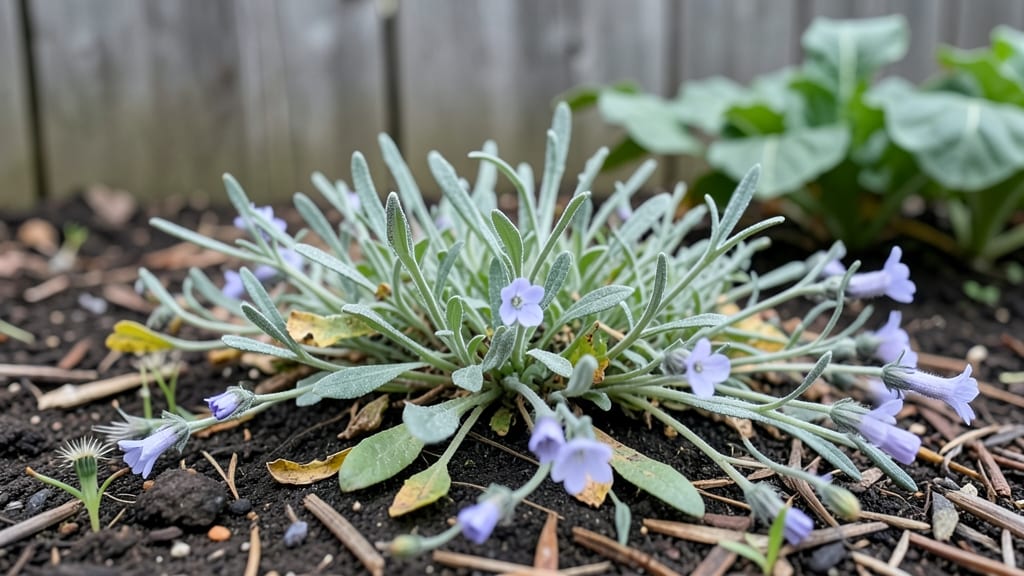
Speedwell perennials transform shady spots into lush, low-maintenance carpets that stay vibrant even when other plants fade. 🌿 I’ve grown them under trees where nothing else thrives, and their delicate spikes of lavender-blue flowers appear from spring through fall—sometimes even poking through snow in winter.
The real magic happens in early summer when they burst into bloom, then again in late summer for a second show.
These shade-lovers handle everything from rocky soil to moist woodland beds, making them perfect for problem areas. Most varieties like Veronica officinalis (heal-all) or Veronica spicata (spiked speedwell) thrive in partial to full shade, though they tolerate morning sun if the roots stay cool.
Plant them in well-draining soil—amend heavy clay with compost—and space them 12–18 inches apart for that classic ground-cover look.
Once established, they’re nearly indestructible: water only when the top inch of soil dries out, and cut back faded flower stems in early fall to keep them tidy. Deer usually leave them alone, and they spread slowly but surely—giving you more coverage each year without the chaos of aggressive spreaders.
The fragrance alone makes them worth growing, especially when you brush past their foliage on a warm spring morning.
Start with divisions in early spring or fall for the fastest results, or scatter seeds in fall for a naturalized look. If you’ve got a shady spot begging for color, speedwell delivers—with zero fuss. Here’s how to make them thrive in your garden.
📚 In This Guide
- What you need
- Instructions
- Tips and common mistakes
- Wrapping up and next steps
What you need
- ● Speedwell plants: 3–5 Veronica species (e.g., Veronica officinalis, Veronica longifolia, or Veronica spicata) – Choose shade-tolerant varieties for best results.
- ○ Seeds (optional): 1–2 packets (if starting from scratch; germination takes 2–4 weeks).
- ● Soil: 1–2 cubic yards of well-draining, moisture-retentive soil (amend with compost for fertility).
- ● Mulch: 2–3 inches of organic mulch (e.g., shredded bark or straw) to retain moisture.
- ● Watering tools: Hose with adjustable nozzle (for gentle watering).
- ● Watering can (for seedlings).
- ● Garden tools: Trowel or hand shovel (for transplanting).
- ● Garden fork (to loosen soil).
- ● Pruners (for trimming dead foliage).
- ● Measuring tape or ruler (to space plants 12–18 inches apart).
- ○ Gloves (optional but recommended for comfort).
- ● Slow-release fertilizer (e.g., 10-10-10, applied spring/fall).
- ● Epsom salt (1 tbsp per gallon of water for magnesium boost).
- ● Plant markers (to label varieties).
- ● Shade cloth (if seedlings need extra protection).
How to plant and maintain speedwell perennial ground cover
Here’s the straightforward approach I’ve used to establish lush, low-maintenance speedwell in shaded areas—no fuss, just results.
🌱 Step 1: Pick the Right Location and Prepare the Soil
Speedwell thrives in partial to full shade (2-6 hours of sunlight daily), making it perfect for under trees or along north-facing walls. Test your spot: if sunlight barely reaches the ground on a sunny afternoon, it’s ideal. Avoid soggy areas—speedwell hates waterlogged roots.
Loosen the top 6 inches of soil with a garden fork, breaking up compacted layers. Mix in 2-3 inches of compost (from your materials list) to improve drainage and fertility. The soil should crumble easily when moist—if it clumps, add more compost. Speedwell tolerates poor soil but grows best with organic matter worked in.
🪴 Step 2: Plant Speedwell in Clusters for Best Coverage
Dig small holes twice as wide as the root ball but only as deep as the container’s base. Space plants 12-18 inches apart—closer spacing fills in faster, but give them room to spread naturally. Gently remove plants from containers, tease apart crowded roots, and place them in holes so the top of the root ball sits level with the soil surface (burying too deep suffocates stems).
Fill gaps with soil, pressing lightly to eliminate air pockets. Water deeply right after planting—1 gallon per plant—to settle roots. You’ll know it’s done when moisture reaches 4-6 inches down. Mulch with 1-2 inches of shredded bark (from your materials) to retain moisture and suppress weeds. Keep mulch 2 inches away from stems to prevent rot.
☀️ Step 3: Water and Care for the First Growing Season
Water newly planted speedwell every 2-3 days until you see new growth (usually 3-4 weeks). Check soil moisture by sticking your finger 1 inch deep—if it’s dry, water again. Overwatering is the biggest mistake here; speedwell wilts quickly if roots stay soggy. After establishment, reduce watering to once weekly unless your area has extreme heat or drought.
Fertilize lightly in early spring with a balanced, slow-release fertilizer (10-10-10). Sprinkle ½ teaspoon per plant on the soil surface, then water to activate. Speedwell doesn’t need much—too much fertilizer leads to leggy growth and fewer blooms. Watch for purple or blue flower spikes in late spring to early summer; these indicate healthy plants.
✂️ Step 4: Prune and Maintain for Year-Round Appeal
Cut back wilted flower spikes in early summer to encourage a second round of blooms. Shear the entire plant by ⅓ in late fall (after frost) to tidy up and prevent seed spread. Speedwell self-seeds aggressively—if you want to control it, remove seed heads before they brown. In early spring, trim back any dead foliage to reveal fresh green growth.
Divide mature clumps every 3-4 years in early spring to keep them vigorous. Dig up the plant, separate sections with a sharp knife, and replant immediately. You’ll know it’s time when the center dies out and growth slows. Speedwell spreads slowly but steadily—give it space, and it’ll fill in beautifully without crowding other plants.
Tips & tricks for perfect speedwell perennial ground cover
Here's what nobody tells you about getting that flawless speedwell spread—lessons I learned after struggling with patchy growth and weak plants.
Location Test: Speedwell thrives in that sweet spot of 2-6 hours of sunlight, but here's the trick: test your spot at midday. If sunlight barely reaches the ground, you're golden. I once planted mine under a tree that got 4 hours of dappled light, and it thrived when others in full shade struggled. The key is that indirect light—think filtered sunlight through leaves, not harsh midday rays.
Soil Prep Secret: When loosening those top 6 inches of soil, don't just scratch the surface. Break up any compacted layers with your garden fork until the soil crumbles easily when moist. I learned this the hard way after seeing new growth wilt because roots couldn't penetrate properly. The 2-3 inches of compost isn't optional—it's what transforms poor soil into speedwell-friendly real estate. Think of it as giving your plants a head start.
Planting Depth: The most common mistake? Burying too deep. The top of that root ball should sit level with the soil surface—no higher, no lower. I've seen plants suffocate when buried too deep, while those planted too shallow struggle to establish roots. That 1 gallon of water after planting isn't just for show—it's what settles those roots into place and ensures moisture reaches down 4-6 inches. Don't skip this step, even if it seems like overkill.
Watering Wisdom: Those first 3-4 weeks are critical for establishing roots, but here's the catch: speedwell wilts faster than you'd think when overwatered. Check soil moisture by sticking your finger 1 inch deep—if it's dry, water. If it's still damp, wait. I went through three batches of plants before realizing consistency matters more than quantity. Once established, that weekly watering becomes your new normal, but watch for extreme heat or drought—those are the times to adjust.
Pro Tips for Speedwell Perennial Plants
- Here's what nobody tells you about getting that flawless speedwell spread—lessons I learned after struggling with patchy growth and weak plants.
- Location Test: Speedwell thrives in that sweet spot of 2-6 hours of sunlight, but here's the trick: test your spot at midday.
- Soil Prep Secret: When loosening those top 6 inches of soil, don't just scratch the surface.
Frequently asked questions
Got questions about growing Speedwell perennials? You’re not alone! Here are answers to the most common queries—from planting tips to troubleshooting—so you can enjoy these shade-loving beauties with confidence.
When is the best time to plant Speedwell perennials?
Plant Speedwell in early spring or early fall for ideal establishment. Avoid extreme heat or frost, as young plants need time to root before stress. If transplanting mature plants, do it in cool, moist conditions to reduce shock. Spring planting gives them a full growing season to spread!
How much shade can Speedwell perennials tolerate?
Speedwell thrives in partial to full shade, making it perfect for under trees or north-facing gardens. While it handles 2–6 hours of sunlight daily, too much direct sun may scorch leaves. Test your spot: If nearby plants struggle in full sun, Speedwell will likely do well there!
Why are my Speedwell leaves turning yellow?
Yellowing leaves often signal overwatering, poor drainage, or fungal issues. Check soil moisture—Speedwell prefers consistently moist but not soggy conditions. If leaves feel mushy or mold appears, improve airflow or reduce watering. Powdery mildew can also strike in humid climates; treat with neem oil if needed.
Can I grow Speedwell in containers instead of the garden?
Speedwell adapts well to containers 12+ inches deep, provided they have drainage holes. Use a well-draining potting mix and keep soil evenly moist. Choose compact varieties like Veronica officinalis for pots, and fertilize lightly in spring. Just avoid letting roots dry out completely!
Are Speedwell plants deer- or rabbit-resistant?
While Speedwell is moderately deer- and rabbit-resistant, hungry critters may nibble if other food is scarce. To deter them, plant near deer-resistant companions like Lamium or Heuchera, or use physical barriers for young plants. A light mulch layer can also help protect roots.
How do I propagate Speedwell perennials?
Propagation is easy! Divide mature clumps in early spring or fall by digging up plants, separating roots with a clean knife, and replanting sections. Alternatively, take stem cuttings in summer: snip 3–4 inch stems, remove lower leaves, and root in moist perlite or water. Keep humidity high until roots form (4–6 weeks).
Still stumped? Drop your question in the comments—we’re happy to help your Speedwell thrive!
Wrapping up and next steps
Incorporating speedwell perennial plants into your garden is a game-changer for adding year-round beauty with minimal effort—especially in shady spots! Their hardy nature, vibrant blooms, and lush foliage make them a low-maintenance superstar for ground cover.
Whether you're a seasoned gardener or just starting, these plants offer color, texture, and resilience that’ll keep your landscape thriving.
Ready to transform your garden? Start small—plant a few speedwells in a shady corner and watch them spread their magic! For even more inspiration, explore companion plant pairings or dive into seasonal care tips to keep them flourishing all year. 🌿✨