
How To
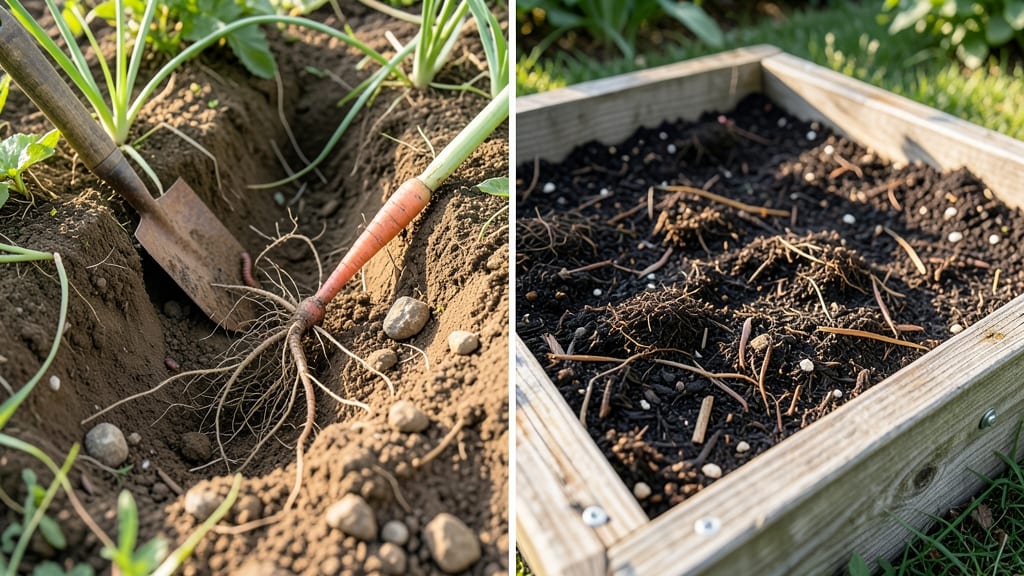
The difference between in-ground and raised bed soil couldn’t be more critical to your plants' success—one is nature’s slow-built ecosystem, while the other is a custom, high-performance growing medium you design yourself. 🌱 The first is what nature provides (with help), while the second is a blank slate you control completely.
That difference changes everything from drainage to nutrient levels, and it’s why some gardeners swear by raised beds while others never look back after trying them.
In-ground soil is a slow-moving ecosystem: rich in organic matter over time but prone to compaction, poor drainage, and uneven nutrients. Raised bed soil, on the other hand, starts as a blank slate—you mix in compost, perlite, and fertilizer upfront for immediate plant-friendly conditions.
The trade-off? Raised beds dry out faster and cost more to fill, while in-ground soil requires less maintenance once established.
For vegetables and flowers, raised beds win with faster warming in spring and better root aeration. But for perennials or large shrubs, in-ground soil’s depth and stability often work better.
The key? Test your soil first—knowing your pH and organic matter levels tells you which system (or mix of both) will work best for your plants.
Here’s the game-changer: you can combine both. Use raised beds for high-value crops and in-ground for long-term perennials. Either way, amending your soil—whether it’s native or custom-built—is the real secret to thriving plants. Let’s break down the specifics so you can decide what works for your garden.
The first product explained
Meet EcoGrow Premium Raised Bed Soil Mix—your ultimate companion for lush, thriving gardens in raised beds! 🌱✨ Designed specifically for elevated planting, this nutrient-rich blend ensures your plants get the perfect balance of aeration, drainage, and organic matter to flourish. Whether you're a seasoned gardener or just starting, this soil mix is engineered to simplify your gardening journey while delivering exceptional results.
🌿 Key Specs & Features
Here’s what makes EcoGrow Premium stand out:
- Organic Blend: A carefully curated mix of compost, coconut coir, perlite, and worm castings for optimal plant health.
- pH-Balanced: Neutral pH (6.0–7.0) to support a wide variety of plants, from veggies to flowers.
- Moisture-Retentive Yet Well-Draining: Holds water without soggy roots, reducing the risk of root rot.
- Weed & Pest Resistant: Sterilized to minimize unwanted invaders, so you can focus on your plants.
- Lightweight & Easy to Handle: Perfect for filling raised beds without adding excessive weight.
- Slow-Release Fertilizers: Includes organic nutrients that feed plants over time, cutting down on frequent feeding.
🎯 Who Is This For?
EcoGrow Premium is ideal for:
- 🌱 Raised Bed Gardeners: Perfect for those who want to maximize soil quality in elevated planters.
- 🍅 Vegetable & Herb Enthusiasts: Supports high-yield crops like tomatoes, peppers, and basil.
- 🌸 Flower Lovers: Ensures vibrant blooms for flowers, succulents, and ornamental plants.
- 🏡 Small-Space Gardeners: Great for balconies, patios, and urban gardening setups.
- 👩🌾 Beginners & Experts Alike: Simple to use with no guesswork—just plant and watch your garden thrive!
💰 Price Point & Value
Priced at $24.99 for a 40-lb bag, EcoGrow Premium offers unmatched value for its quality and coverage. One bag covers approximately 1 cubic foot of raised bed space, making it cost-effective for both small and large projects.
Plus, its long-lasting nutrients mean you’ll spend less on additional fertilizers—saving you money and time in the long run!
💡 Pro Tip: Pair this soil mix with EcoGrow’s companion plant starter kit for a complete gardening system that boosts growth and simplifies maintenance!
The second product explained
If you’re leaning toward raised bed gardening but want a hassle-free, high-performance solution, Miracle-Gro Raised Garden Bed Soil is your best bet! 🌱 This premium blend is specifically engineered to thrive in elevated planters, offering a perfect mix of nutrients, drainage, and moisture retention for lush, healthy plants.
📏 Key Specs & Features
- Soil Composition: A balanced blend of peat moss, compost, and perlite for optimal aeration and nutrient retention.
- pH Level: Slightly acidic to neutral (6.0–7.0), ideal for most vegetables, flowers, and herbs.
- Organic Matter: Slow-release nutrients (like mycorrhizae) to support root growth over time.
- Drainage: Designed to prevent waterlogging while retaining moisture—critical for raised beds.
- Pest & Disease Resistance: Contains beneficial microbes to naturally deter harmful pathogens.
- Bag Size: Available in 1.5 cu. ft. and 2 cu. ft. bags for flexibility.
🎯 Who’s It For?
This soil is a game-changer for:
- 🌿 Raised bed gardeners (wood, metal, or fabric beds) who want zero soil prep hassle.
- 🥬 Vegetable & herb growers—perfect for tomatoes, peppers, basil, and leafy greens.
- 🌸 Flower enthusiasts looking for vibrant blooms with minimal effort.
- 🏡 Small-space gardeners (balconies, patios, or urban yards) using containers or elevated beds.
- 🚫 Not ideal for: Heavy clay or in-ground gardens (use Product A instead).
💰 Price & Value
Priced at $6.97–$12.97 per bag (depending on size), this soil offers exceptional value for its convenience and performance.
While it’s slightly more expensive than generic potting mix, the long-term benefits—like reduced watering, fewer pests, and faster plant growth—make it a smart investment. 💡 Pro Tip: Buy in bulk if you’re filling multiple raised beds to save!
For gardeners who prioritize ease, consistency, and results, Miracle-Gro Raised Garden Bed Soil is a standout choice. Just add plants and water—nature (and your garden) will do the rest! 🌿✨
Head-to-head comparison
🌱 Performance: How Each Soil Type Supports Plant Growth
When it comes to plant performance, the soil in your garden plays a starring role—and in-ground and raised bed soils take very different approaches to nurturing your green friends. Let’s break it down:
- In-Ground Soil:
- Natural Soil Composition: In-ground soil is a mix of what Mother Nature provided—clay, sand, silt, and organic matter. Over time, it develops a complex ecosystem of microbes, fungi, and earthworms that break down organic material into nutrients plants can use. 🌍
- Moisture Retention: Depending on your soil type (clay holds water longer, while sandy soil drains quickly), in-ground soil can either be a waterlogged swamp or a thirsty desert. Amending it with compost or organic matter helps balance this.
- Temperature Fluctuations: In-ground soil stays cooler in summer and warmer in winter, which can be great for root crops like carrots or potatoes. However, extreme temps (like frozen ground) can slow growth.
- Weed and Pest Challenges: Weeds and pests thrive in in-ground soil because of its vast, interconnected network. Managing them requires more effort—think mulching, hand-pulling, or chemical treatments.
- Raised Bed Soil:
- Customizable Mix: One of the biggest perks of raised beds is that you control the soil composition. You can blend loamy topsoil with compost, coconut coir, and perlite to create the perfect airy, nutrient-rich environment. 🌿
- Drainage and Aeration: Raised beds drain better than in-ground soil, reducing the risk of root rot. The soil also warms up faster in spring, giving you a longer growing season. Plus, the sides allow roots to spread outward, reducing competition for nutrients.
- Warmer Soil: Because raised beds absorb heat from the sun and surrounding air, they can be 5–10°F warmer than in-ground soil. This is a game-changer for heat-loving plants like tomatoes, peppers, and basil.
- Fewer Weeds and Pests: With less surface area exposed, weeds have a harder time taking over. Plus, the elevated design deters some pests (like slugs and snails), though you’ll still need to monitor for others.
Winner? If you want consistency and control, raised bed soil takes the crown. But if you’re working with existing soil and don’t mind a little extra TLC, in-ground soil can still deliver great results with the right amendments.
💰 Price: What’s Your Budget Looking At?
Your wallet will feel the difference between these two soil setups. Here’s the breakdown:
| Factor | In-Ground Soil | Raised Bed Soil |
|---|---|---|
| Initial Setup Cost |
Low to moderate. You might spend $50–$200 on soil amendments (compost, peat moss, etc.) if your native soil is poor. Tools like a rototiller or shovel add to the cost. |
Moderate to high. Building a raised bed costs $100–$500+ depending on materials (cedar, redwood, or composite lumber). Soil fill can run $50–$200 per cubic yard, and you’ll need about 1–2 cubic yards per 4’x8’ bed. |
| Ongoing Maintenance Cost |
Low. Once established, in-ground soil requires minimal upkeep—just occasional compost top-dressing and mulch. 💡 Pro Tip: Save money by making your own compost! |
Moderate. You’ll need to replenish soil nutrients annually (compost, fertilizer) and may replace soil every few years as it breaks down. However, the controlled environment means fewer losses to weeds or pests. |
| Long-Term Value |
High if your soil is already fertile. Once improved, in-ground soil can be a free, renewable resource for decades. |
High if you prioritize plant health and yield. Raised beds often produce better-quality crops, justifying the upfront investment for serious gardeners. |
Budget-Friendly Pick: If you’re on a tight budget and your soil is decent, in-ground gardening wins. For those willing to invest upfront, raised beds offer higher returns in terms of plant health and productivity.
🏗️ Durability: How Long Will Your Soil Last?
Soil isn’t static—it evolves over time. Here’s how in-ground and raised bed soils hold up:
- In-Ground Soil:
- Natural Resilience: In-ground soil is, well, in the ground, so it’s protected from erosion and extreme weather. Over time, it becomes richer as organic matter decomposes naturally.
- Challenges: Compaction from foot traffic, heavy rain, or machinery can degrade soil structure. Urban or heavily farmed areas may also suffer from nutrient depletion.
- Lifespan: With proper care (composting, crop rotation, cover crops), in-ground soil can remain productive for decades. However, urban or polluted soils may require more frequent amendments.
- Raised Bed Soil:
- Controlled Environment: Since raised beds are elevated, they’re less prone to compaction and erosion. The soil stays loose and well-aerated.
- Decomposition Over Time: Organic matter in raised beds breaks down faster due to better aeration and warmth. This means you’ll need to refresh the soil every 2–5 years to maintain fertility.
- Material Longevity: The bed’s frame (wood, metal, or composite) can last 5–15 years, depending on the material. Cedar and redwood resist rot longer but cost more.
Durability Winner: In-ground soil wins for long-term stability, but raised beds offer renewable flexibility. If you’re willing to refresh the soil occasionally, raised beds can outlast in-ground plots in terms of plant performance.
🌿 Features: What Makes Each Soil Unique?
Beyond the basics, each soil type brings its own set of features to the table. Here’s what sets them apart:
- In-Ground Soil:
- Natural Ecosystem: Supports a diverse community of soil organisms (earthworms, microbes, fungi) that improve soil structure and suppress diseases.
- Space Efficiency: Uses the full depth of the soil profile, which is great for deep-rooted plants like trees, asparagus, or sweet potatoes.
- Seasonal Adaptability: Retains moisture better in droughts and stays cooler in summer, which can be ideal for certain crops.
- Limited Customization: You’re stuck with what’s already there unless you’re willing to dig in (literally) and amend it.
- Raised Bed Soil:
- Custom Soil Blends: Let
Which one should you choose?
So, which soil setup is the right choice for your garden? The answer depends on your goals, budget, and gardening style. Let’s break it down to help you make the best decision!
🌱 Best for Beginners & Low-Maintenance Growers
If you’re new to gardening or prefer minimal upkeep, raised beds win with their controlled environment, fewer weeds, and easier soil management. They’re also perfect for small spaces or urban gardens where in-ground soil might be poor or contaminated.
💰 Best for Budget-Conscious Gardeners
For those watching their wallet, in-ground soil is the cheaper option—no materials needed, and you can leverage natural soil fertility over time. However, if your native soil is rocky or clay-heavy, investing in raised beds (or soil amendments) may save you headaches (and plants!) in the long run.
🌿 Best for Vegetable & Fruit Gardens
Raised beds are the clear winner here! Their well-draining, nutrient-rich soil promotes faster growth and higher yields for root crops (like carrots), greens (spinach, lettuce), and even fruiting plants (tomatoes, peppers). In-ground gardens can work, but they require more prep—like tilling and amending—to match raised-bed results.
🏡 Best for Long-Term Sustainability
In-ground gardens build soil health over decades through natural decomposition and microbial activity. Raised beds, while great for short-term productivity, may need occasional soil replenishment. If you’re committed to permaculture or eco-friendly practices, in-ground (with proper care) is the sustainable pick.
⚠️ When to Avoid Each Option
- Skip raised beds if you’re on a tight budget or have limited space for construction.
- Avoid in-ground gardens if your soil is compacted, contaminated, or prone to poor drainage.
Final Pro Tip: 💡 Why not combine both? Use raised beds for high-value crops and in-ground for perennials or large plants like fruit trees. The best garden is the one that fits your lifestyle—and your plants will thank you!