
Flowers
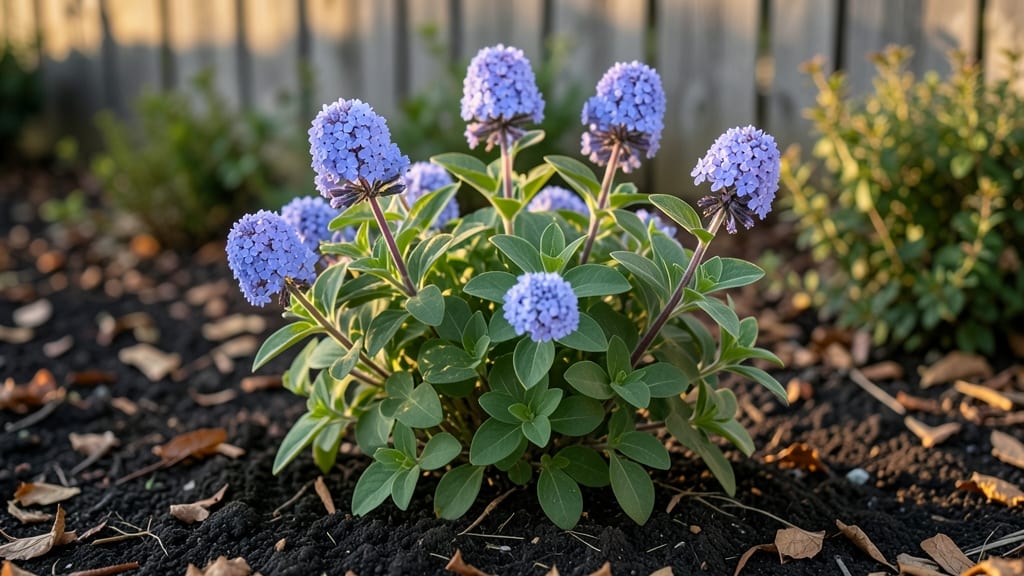
Deciding whether heliotrope is annual or perennial depends on your climate: it thrives as a tender perennial in warm zones (USDA 10-11) but is usually grown as an annual where winters are too cold, requiring winter protection like mulch or containers to survive.
Heliotrope's lifespan hinges on temperature sensitivity—its roots can survive mild winters if protected, but frost will kill it back to the ground. 💫 In colder regions, gardeners often replant from cuttings each spring, while those in frost-free zones can enjoy the same plants year after year with minimal care.
The key difference lies in how well the plant's woody stems endure winter chill, which is why USDA zones 10-11 see it as a true perennial.
This distinction matters for gardeners planning long-term layouts. Annuals require yearly replanting, while perennials offer continuity and established root systems that make them low-maintenance once established. For example, heliotrope's fragrant blooms return more reliably in perennial settings, rewarding patient gardeners with consistent summer color displays.
💡 In This Article
- Heliotrope’s True Growth Cycle Explained
- How to Extend Heliotrope’s Life Beyond One Season
Heliotrope’s true growth cycle explained
Heliotrope's lifespan classification stems from its tender perennial nature, meaning its roots and stems are sensitive to frost. In warm climates (USDA zones 10-11), where winter temperatures rarely drop below 30°F, heliotrope naturally behaves as a perennial, regrowing each spring from its established root system.
The key difference lies in its woody base—while not as hardy as shrubs, it develops a semi-woody stem base that can survive mild winters if protected from cold snaps.
Here's what happens in cooler regions: when temperatures fall below 32°F, heliotrope's cells begin to rupture due to ice crystal formation in its vascular system. This frost sensitivity explains why gardeners in zones 8 and below typically treat it as an annual.
The plant's fibrous root system (spreading 12-18 inches wide) can regenerate quickly in spring, but only if some roots survive—otherwise, it must be replanted from cuttings or seeds each year. 🌱
The science behind its dormancy behavior involves photoperiod sensitivity. As daylight shortens in autumn, heliotrope's growth slows naturally, but it won't enter true dormancy like hardy perennials. Instead, it remains semi-dormant, requiring consistent moisture (about 1 inch per week) to prevent root desiccation during winter months.
This explains why mulching with 4-6 inches of organic material (like straw or leaves) becomes critical—it insulates roots while maintaining moisture levels.
What most gardeners don't realize is how heliotrope's flowering cycle ties to its perennial nature. In frost-free zones, plants can bloom continuously from spring through fall, with individual flowers lasting 5-7 days each.
The plant's ability to produce new growth from its base each season (rather than from seeds) is what truly defines its perennial classification. This continuous growth habit makes it ideal for foundation plantings in warm climates.
Temperature thresholds are the real deciding factor. Heliotrope can tolerate brief exposures to 25°F if dry, but prolonged cold below 28°F will kill back the foliage completely. The root crown (where stems emerge) is particularly vulnerable—this is why container growing works so well in marginal climates.
When potted, you can simply move plants to sheltered locations or even indoors near bright windows during winter. 💛
Interestingly, heliotrope's aromatic compounds (like coumarin) actually increase in concentration during cooler temperatures, which is why some gardeners report more intense fragrance in overwintered plants. This chemical adaptation helps explain why protected specimens often perform better in subsequent seasons—both in terms of survival and sensory appeal.