
Flowers
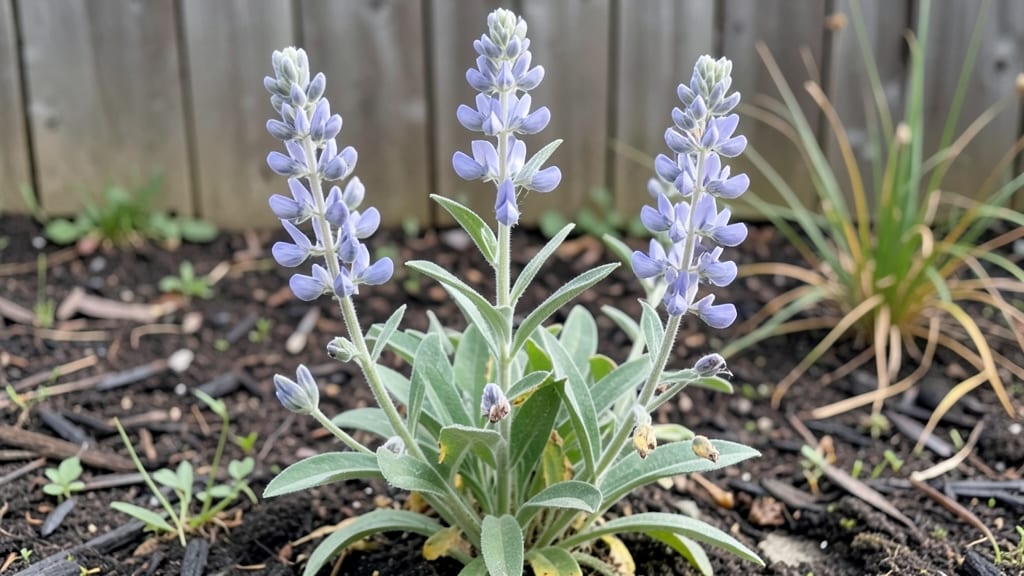
Planting wild perennial lupine means adding shockingly lush purple spires to your garden with almost no effort. 🌿 I’ve grown them for years in dry patches where nothing else survives, and they reward me with bold blooms that hummingbirds adore.
The key isn’t fancy soil or constant watering—it’s letting them do their thing in the right spot.
These tough plants thrive in full sun and well-draining soil, even if it’s sandy or rocky. They’re drought-resistant once established, so forget the weekly watering routine. Just plant the seeds in early spring or fall, give them a little space, and watch them spread naturally over time.
By midsummer, you’ll have 3-4 foot tall spikes covered in pea-like flowers that last for weeks. The foliage stays green even in dry spells, and the plants self-seed happily, creating a stunning, low-maintenance display year after year.
Works beautifully in meadow-style gardens, native plantings, or even as a border. Once you try them, you’ll wonder why you didn’t plant more sooner—they’re that easy and that rewarding.
📚 In This Guide
- What you need
- Instructions
- Tips and common mistakes
- Wrapping up and next steps
What you need
- ● Wild perennial lupine seeds – Choose native varieties (e.g., Lupinus perennis or Lupinus polyphyllus) for best drought resistance. Seed quantity: 10–20 seeds per square foot (or 50–100 seeds for a wildflower meadow).
- ● Well-draining soil mix – Option 1: Native soil amended with compost (30% compost by volume). Option 2: Pre-mixed wildflower or perennial garden soil (5–10 lbs per 10 sq ft).
- ● Organic fertilizer – Bone meal (1–2 lbs per 10 sq ft) or a low-phosphorus, nitrogen-rich fertilizer (5-10-10 ratio). Pro tip: Lupines fix nitrogen—reduce fertilizer after establishment! 💡
- ○ Mulch (optional but recommended) – Straw or wood chips (2–3 inches thick) to retain moisture and suppress weeds.
- ● Garden trowel or transplanting spade – For digging holes (4–6 inches deep).
- ● Garden rake – To loosen soil and create a fine seedbed.
- ● Watering can or hose with a gentle spray nozzle – Lupines hate soggy soil! 💦
- ○ Pruners (sharp, sterilized) – For deadheading spent blooms (optional but encourages reblooming).
- ● Garden gloves – Lupine leaves can be prickly!
- ● Sunlight access – Full sun (6+ hours daily) for best growth.
- ● Drought-tolerant location – Lupines thrive in USDA Zones 3–9 and poor, rocky soils.
- ● Pollinator-friendly zone – Plant near bees, butterflies, and hummingbirds for mutual benefits!
- ● Patience (3–5 years for full maturity) – Lupines are slow starters but reward you with decades of blooms. ⏳
- ● Seed-starting tray – If sowing indoors (6–8 weeks before last frost).
- ● Epsom salt (magnesium sulfate) – A ½ tsp per gallon of water spray can boost blooms (apply mid-season).
- ● Bird netting – To protect seedlings from hungry birds (temporarily!).
Step-by-Step guide to planting wild perennial lupine
Here's how to establish these drought-tolerant beauties with minimal effort.
🌱 Step 1: Choose the Perfect Sunlit Location
Lupines crave full sun—at least 6 hours daily—to produce their signature vibrant blooms. I scout locations with south or west exposure first, as these areas receive the most intense afternoon sunlight. Avoid spots where afternoon shade lingers, even briefly, as lupines won't tolerate even partial shade.
Test your site by observing how sunlight moves across the area throughout the day. Lupines also prefer well-draining soil, so if your garden holds water after rain, amend the area with 2-3 inches of coarse sand or gravel mixed into the top 12 inches of soil. This ensures roots won’t suffocate in winter or rot during wet spells.
🪴 Step 2: Prepare the Soil for Lupine Success
Lupines thrive in slightly acidic to neutral soil (pH 6.0-7.0). Test your soil’s pH with a simple kit—if it’s too alkaline, mix in 1-2 pounds of sulfur per 100 square feet and water deeply. Wait 2-3 weeks before planting to let the soil adjust.
Loosen the soil to a depth of 12 inches with a broadfork or tiller. Lupines have deep taproots, so compacted soil will stunt their growth. Work in 1-2 inches of compost to provide organic matter without overwhelming the soil with nitrogen—too much nitrogen reduces flowering. Break up any clumps and rake the surface smooth.
☀️ Step 3: Plant Seeds at the Right Depth and Spacing
Sow seeds ½ inch deep in early spring or late summer, when soil temperatures are 50-60°F. Lupine seeds germinate best in cool conditions—hotter soil can delay or prevent germination entirely. Space seeds 12-18 inches apart in rows 18-24 inches apart to allow for mature plant size and airflow.
Water the soil thoroughly before planting to help seeds settle at the correct depth. I like to tap the seed packet gently to release one seed at a time—planting too many in one hole leads to weak, crowded seedlings. Cover lightly with soil and water again to ensure good seed-to-soil contact. Lupines won’t tolerate soggy soil, so avoid overwatering immediately after planting.
💧 Step 4: Water Sparingly and Let Lupines Establish
After planting, water deeply once a week—enough to moisten the soil 6 inches down. Lupines are drought-tolerant once established, but young plants need consistent moisture to develop strong roots. You’ll know watering is right when the soil feels damp but not waterlogged an inch below the surface.
Reduce watering as seedlings grow. By the time they reach 4-6 inches tall, they should only need water during prolonged dry spells. Overwatering at this stage encourages weak, leggy growth. Lupines thrive in dry conditions—once established, they’ll survive on rainfall alone in most climates.
✂️ Step 5: Prune and Maintain for Long-Term Beauty
Deadhead spent blooms in early summer to encourage a second flush of flowers. Pinch back leggy stems by ⅓ to promote bushier growth. I avoid heavy pruning—lupines develop striking seed pods that add winter interest, and their foliage provides excellent habitat for beneficial insects.
Fertilize lightly in early spring with ½ cup of 5-10-10 fertilizer per 100 square feet to support new growth. Lupines fix nitrogen in the soil, so they rarely need additional nutrients. Mulch with 1-2 inches of wood chips in early spring to retain moisture and suppress weeds—just keep the mulch 2 inches away from stems to prevent rot.
Tips & tricks for perfect wild perennial lupine planting
Took me years to perfect these drought-resistant beauties—and I'm sharing my hard-won secrets so you skip the trial-and-error. Here's what nobody tells you about growing lupines that actually thrive.
Sunlight Secret: That 6 hours of daily sun isn't just a suggestion—it's non-negotiable for vibrant blooms. I've seen lupines in partial shade produce flowers, but they're pale and sparse. For maximum impact, choose a location that gets full sun from 10am to 4pm during summer months. If you're unsure about sunlight exposure, use a sun calculator app to track light patterns in your yard for a week before planting.
Soil Prep Game-Changer: The 12-inch deep soil loosening in Step 2 is where most gardeners fail. Don't just scratch the surface—use a broadfork to break up compacted layers all the way down. I've seen lupines planted in shallowly tilled soil struggle for years with stunted growth. For heavy clay soils, mix in 25% sand by volume to that 12-inch depth—this dramatically improves drainage and root penetration.
Timing is Everything: Those 50-60°F soil temperatures in Step 3 aren't just ideal—they're critical. I learned this the hard way after planting in 70°F+ soil and waiting weeks for germination. Test soil temperature with a thermometer before planting. For late summer plantings, consider using a shade cloth to cool the soil if temperatures exceed 65°F. The seeds need cool, moist conditions to trigger germination.
Watering Wisdom: The deeply once a week guideline in Step 4 is perfect for established plants, but young seedlings need more frequent attention. Water lightly every 3-4 days until they reach 4-6 inches tall, then gradually reduce to the weekly schedule. I use a moisture meter to check that the soil stays damp but not soggy at 2 inches deep—this prevents both underwatering and overwatering that can cause root rot.
Pro Tips for Wild Perennial Lupine
- Took me years to perfect these drought-resistant beauties—and I'm sharing my hard-won secrets so you skip the trial-and-error.
- Sunlight Secret: That 6 hours of daily sun isn't just a suggestion—it's non-negotiable for vibrant blooms.
- Soil Prep Game-Changer: The 12-inch deep soil loosening in Step 2 is where most gardeners fail.
Frequently asked questions
When is the best time to plant wild perennial lupine?
Plant lupine seeds in early fall (6–8 weeks before your first frost) for the best germination rates. Seeds need cold stratification to break dormancy, so avoid spring planting unless you pre-chill them. If starting from transplants, spring or fall works—just ensure soil temps are above 40°F (4°C).
Why aren’t my lupine seeds sprouting?
Lupine seeds are notoriously slow—don’t panic if nothing appears for 6–12 months! They need cold, moist conditions to germinate. Try scarifying seeds (lightly nicking the seed coat) or mixing them with sand for better soil contact. Patience is key—these plants often pop up unexpectedly after winter rains.
How much water does wild perennial lupine really need?
Once established, lupine is drought-tolerant—overwatering is the bigger risk! Water deeply once a week during the first growing season to help roots establish, then let nature take over. Yellowing leaves? Often a sign of overwatering—lupine prefers dry soil in summer.
Are wild lupines good for pollinators?
Absolutely!
Lupines are a magnet for bees, butterflies, and hummingbirds, especially when in bloom (spring to summer). Their nitrogen-fixing roots also improve soil health, making them a double win for gardens and ecosystems. Plant them near pollinator-friendly neighbors like lavender or coneflowers for extra buzz!
Can I grow wild lupine in containers?
Yes, but choose large pots (12"+ diameter) with excellent drainage—lupine hates soggy roots. Use a well-draining mix (like cactus soil) and fertilize lightly with low-phosphorus options (they fix their own nitrogen!). Containers limit root spread, so expect slightly smaller plants, but they’ll still thrive with 6+ hours of sun.
How do I propagate wild lupine?
Seeds are the easiest way! Collect mature pods (when they’re dry and brown), scatter seeds in fall, and let nature do the work. Division is tricky—lupine roots are brittle—so only attempt it in early spring if you’re separating small clumps. No need to rush: Lupine spreads slowly but surely over years.
Wrapping up and next steps
Growing wild perennial lupine is a rewarding way to add vibrant color and drought-resistant beauty to your garden with minimal effort! These hardy plants thrive in poor soil, require little maintenance, and attract pollinators—making them a perfect choice for eco-conscious gardeners.
Whether you're a beginner or a seasoned green thumb, their resilience and striking blooms make them a must-have for any landscape.
Ready to transform your garden? Start by selecting a sunny spot, gather your seeds or plants, and follow the simple steps above. Before you know it, your yard will be buzzing with life—and stunning lupine blooms! 🌸