
Tools
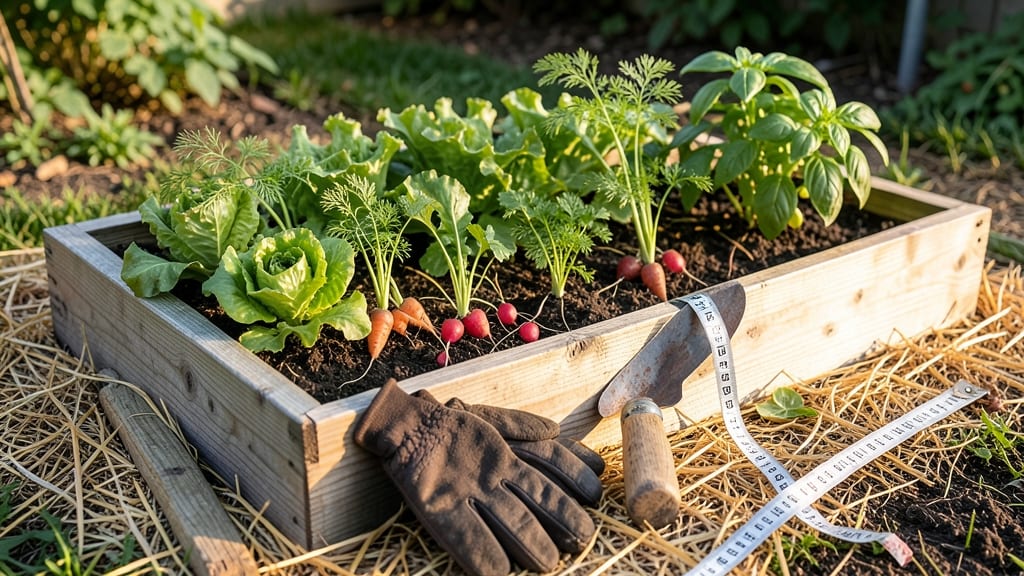
Determining garden bed size depends on plant types—most vegetables grow best in 4-foot-wide beds for easy access, while herbs thrive in 12- to 24-inch spacing. Longer beds (8–12 feet) optimize space, and raised beds let you customize root depth and drainage.
Choosing the right garden bed dimensions isn't just about fitting plants—it's about their long-term health. 🌱 Vegetables like tomatoes and peppers need wider beds (4 feet) to prevent overcrowding and ensure sunlight reaches all leaves, while herbs such as basil and thyme do better in tighter clusters (12–24 inches apart).
The length of your bed matters too: longer beds (8–12 feet) make better use of space and reduce wasted soil, while raised beds give you control over soil quality and drainage, which is especially helpful for root crops like carrots or potatoes.
For small spaces, consider square-foot gardening, where each square foot is dedicated to specific plants based on their mature size. This method maximizes yield in limited areas. If you're working with in-ground beds, wider paths between rows can make weeding and harvesting easier, though they'll reduce overall planting space.
Always factor in your plants' mature size—what looks perfect now might become a crowded mess in a few months!
💡 In This Article
- How Plant Spacing and Root Space Determine Ideal Garden Bed Dimensions
- Best Garden Bed Sizes for Different Plant Types and Layouts
How plant spacing and root space determine ideal garden bed dimensions
Plant growth depends heavily on three key factors: root competition, sunlight access, and soil nutrient distribution. When plants are too close, their roots compete for water and nutrients, leading to stunted growth or disease.
For example, tomato plants need at least 18-24 inches between them because their sprawling roots and leafy canopies require ample space to thrive.
The 4-foot bed width standard comes from research showing that this allows gardeners to reach the center without trampling plants, while maintaining proper airflow to prevent fungal issues.
Sunlight plays a critical role too. Leafy greens like lettuce or spinach need 6-12 inches of spacing to ensure all leaves receive direct sunlight, while taller plants like peppers or eggplants block light if crowded.
The bed length matters for efficiency—longer beds (8-12 feet) reduce soil waste by minimizing pathways between rows, but shorter beds (4 feet) work better for small gardens or container setups.
Root crops like carrots or beets need deeper soil (12+ inches) and wider spacing (2-3 inches) to prevent forking or stunted growth.
Herbs have different needs due to their compact growth habits. Basil, for instance, grows best with 12-18 inches of space, while thyme or oregano can thrive in 12-inch clusters because their woody stems don't spread aggressively.
The key is matching bed dimensions to the plant's mature size—what fits now may not work in 6-8 weeks when plants reach full height. For instance, a 4-foot-wide bed can fit two rows of tomatoes with 24-inch spacing, but adding a third row would crowd the plants.
Soil depth and drainage also influence bed size. Raised beds allow customization—you can build them 12-18 inches deep for root crops like potatoes, while in-ground beds may only offer 6-8 inches of usable soil.
The bed's length affects how you arrange plants: longer beds let you stagger rows for better sunlight distribution, while shorter beds work well for succession planting (replacing early crops like radishes with later ones like beans).
Consider the "square-foot gardening" method for small spaces: each square foot is divided into a grid, with plants spaced according to their mature size. For example, a 1-square-foot section might hold 16 basil plants (4x4 grid) or 4 tomato plants (2x2 grid with 18-inch spacing).
This approach maximizes yield in tight areas while ensuring each plant gets the right amount of space. 🌱
For root crops, deeper beds are essential. Carrots need 12-18 inches of loose, stone-free soil to grow straight, while potatoes require 12 inches of depth and 12-inch spacing to develop properly. Shallow beds can lead to forked roots or stunted tubers.
The bed's width also affects how you plant—wider beds (4 feet) allow for multiple rows of root crops, while narrower beds (2 feet) work better for single rows with wider spacing.
Ultimately, the right bed size balances plant needs with your garden's layout. Longer beds reduce soil waste, while wider beds improve accessibility. For herbs, tighter spacing works, but for vegetables, wider beds prevent overcrowding.
Always plan for mature plant sizes—what looks perfect at planting time may become a crowded mess later! ✨