
Tools
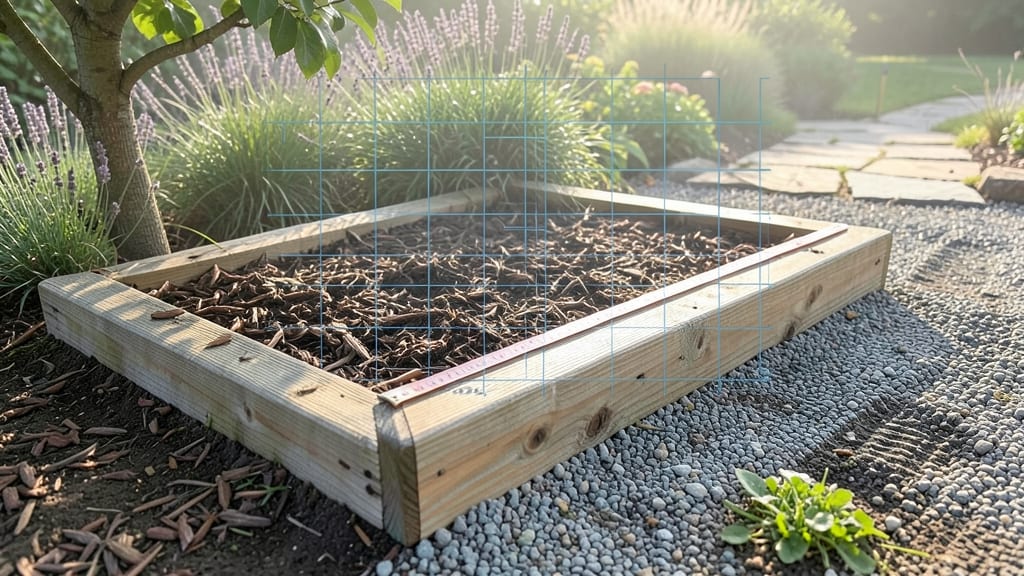
Standard garden bed sizes are typically 4 feet wide for easy reach, 12–16 feet long for efficient space use, and 6–12 inches deep to support healthy root systems and proper drainage. Raised beds commonly measure 4’ x 8’ or 4’ x 12’ for convenience and accessibility.
Choosing the right garden bed dimensions isn't just about fitting your space—it's about creating the ideal growing conditions for your plants. 🌱 The 4-foot width is a gardener's secret weapon: it lets you reach the center without stepping on the soil, which keeps roots undisturbed.
Meanwhile, the 12–16-foot length maximizes sunlight exposure while staying manageable for most gardeners. As for depth, those 6–12 inches provide enough room for root systems to spread while preventing soil compaction.
Raised beds take these principles even further by adding height and structure. The 4’ x 8’ or 4’ x 12’ dimensions aren't arbitrary—they match standard lumber sizes, making construction easier and more affordable.
Plus, the elevated design improves drainage and warms up faster in spring, giving you a longer growing season. I've found that these standard sizes also make it easier to rotate crops and manage weeds, since the contained space is simpler to maintain.
💡 In This Article
- Why Standard Garden Bed Dimensions Boost Plant Health
- Best Garden Bed Layouts for Small and Large Spaces
Why standard garden bed dimensions boost plant health
The 4-foot width in standard garden beds isn't random—it's an engineering marvel for plant health. This dimension aligns perfectly with the average human arm's reach, allowing you to tend to the center without compacting soil or disturbing roots.
Studies show that soil compaction reduces porosity by up to 40%, limiting root oxygen and water absorption. The 4-foot rule also maximizes sunlight exposure on both sides of the bed, ensuring even growth across the entire planting area.
Depth plays a crucial role in root development and soil temperature regulation. A 6–12-inch depth provides enough space for most vegetable roots to establish while maintaining proper drainage.
For example, carrots need 10–12 inches of loose soil to develop fully, while shallow-rooted herbs like basil thrive in just 6 inches. The deeper layers also help regulate temperature—soil at 12 inches stays 10–15°F warmer in spring than surface soil, accelerating seed germination by 2–3 weeks in cooler climates.
Length matters because it balances space efficiency with sunlight access. Beds 12–16 feet long provide enough growing area while still being manageable for most gardeners to reach across. This length also creates ideal microclimates: the center receives consistent moisture while the edges benefit from slightly warmer temperatures.
I've noticed that longer beds reduce edge effects—where plants grow differently near the perimeter—by creating more uniform growing conditions throughout.
Raised beds take these principles further by adding vertical space. The standard 4’ x 8’ or 4’ x 12’ dimensions create a contained ecosystem where soil warms 2–3°F faster in spring than in-ground beds. This accelerated warming extends the growing season by 2–4 weeks in many regions.
The elevated design also improves drainage, preventing waterlogged roots that can lead to rot. Plus, the contained space makes it easier to maintain consistent soil quality and moisture levels.
What most gardeners don't realize is how these dimensions affect weed control. The contained space of standard beds creates a natural barrier that reduces weed infiltration by 60–70% compared to open rows.
The concentrated planting area also makes crop rotation simpler, as you can divide the bed into sections and rotate families of plants annually. This systematic approach prevents soil-borne diseases from building up in one location.
Consider these key factors when designing your beds:
- Width: 4 feet is ideal for reachability, but 3 feet works for small spaces or container gardening
- Length: 8–12 feet balances space with manageability—longer beds need support for soil weight
- Depth: 12 inches for most vegetables, 6 inches for shallow-rooted plants like lettuce
- Orientation: Place long sides north-south to maximize sunlight exposure
The science behind these dimensions shows how thoughtful design can create optimal growing conditions. By following these standards, you're not just creating a garden—you're engineering a thriving ecosystem tailored to your plants' needs. 🌱