
Landscaping
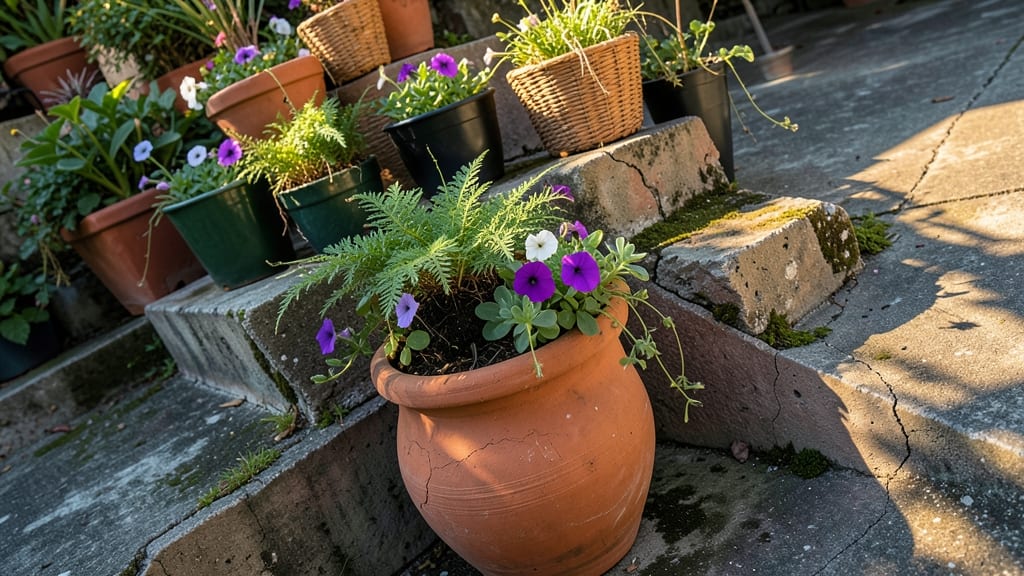
Small gardens don’t have to mean small impact. These 10 flower bed ideas prove that vertical layers and smart planning can transform even the tiniest outdoor spaces into lush, vibrant retreats that attract pollinators and delight the senses.
Tiered Raised Planters with Succulents
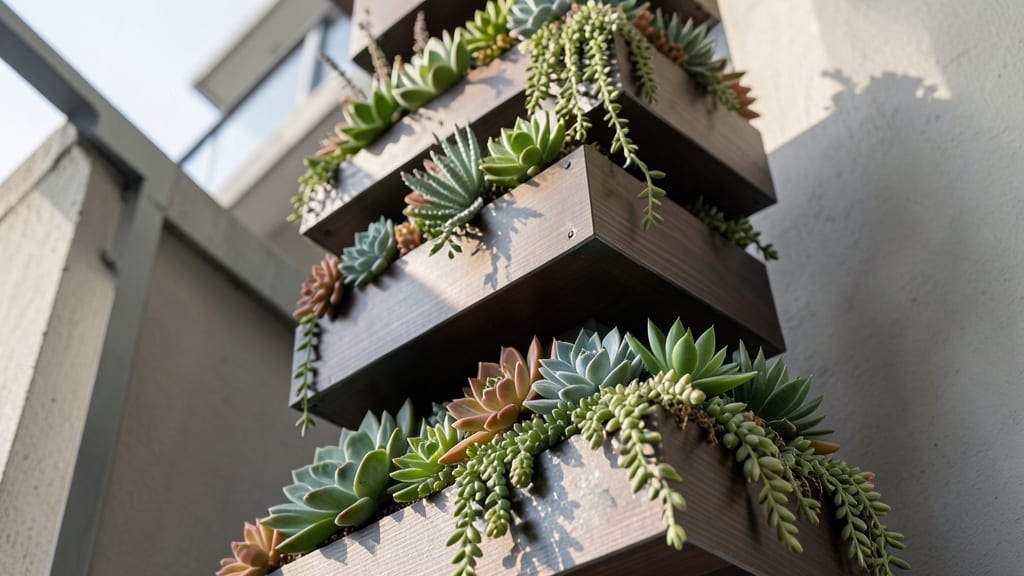
Turn your tiny urban space into a stunning vertical oasis with tiered raised planters filled with drought-tolerant succulents. These stacked planters create the illusion of a lush garden while using minimal floor space—ideal for balconies or patios where every inch counts.
Start with a three-tiered wooden planter (or DIY your own using cinder blocks or pallet wood) and fill each level with sedum, echeveria, or haworthia—plants that thrive on neglect and need watering only every 2-3 weeks. Place the tallest succulents in the back tier to avoid shading smaller varieties below. For a cohesive look, stick to a monochromatic color scheme (e.g., blues, grays, or soft greens) or mix textures with trailing varieties like string of pearls spilling over the edges.
This setup is perfect for city dwellers or anyone with limited water access—no weeding, no fuss, just year-round greenery that requires almost no maintenance. Plus, the stacked design adds visual interest without overwhelming small spaces. 🌱
Hanging Basket Cascades for Vertical Interest
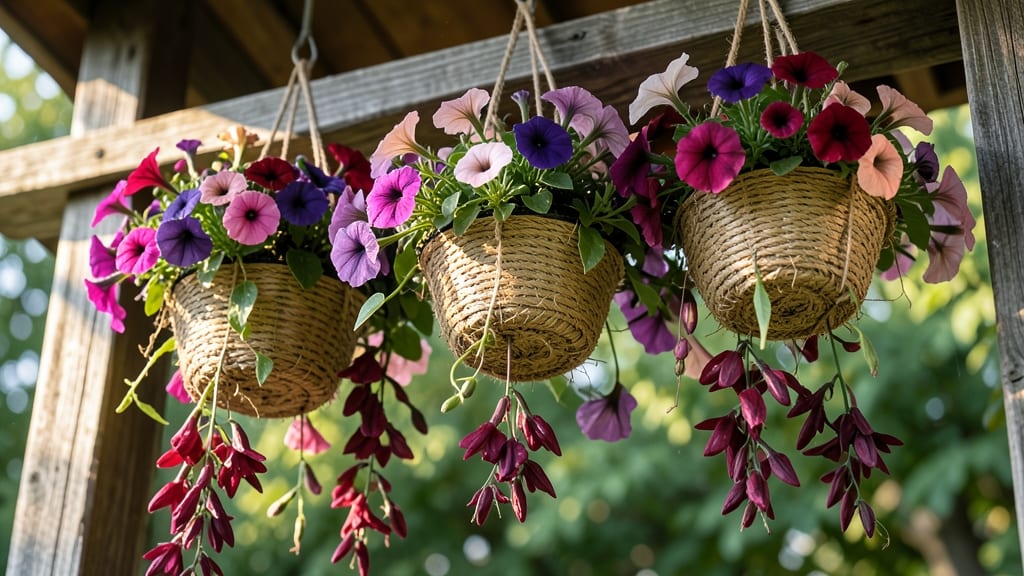
Turn empty vertical space into a stunning display with hanging basket cascades—the secret weapon for small gardens. Instead of competing for ground space, let petunias or fuchsias spill over edges like a living waterfall, instantly adding drama and dimension to porches, railings, or trellises.
Start with pre-moistened hanging baskets filled with a mix of trailing plants like petunias (for bold color) and fuchsias (for delicate blooms). Place them in morning sun to partial shade to prevent wilting, and water every 2-3 days—letting the soil dry slightly between sessions. For extra flair, layer baskets at varying heights to create a cascading effect that draws the eye upward.
This trick is perfect for renters, balcony gardeners, or anyone craving instant curb appeal without sacrificing square footage. Plus, the trailing habit deters pests while keeping your garden looking lush and intentional. 🌻
Window Box Herb and Flower Combos
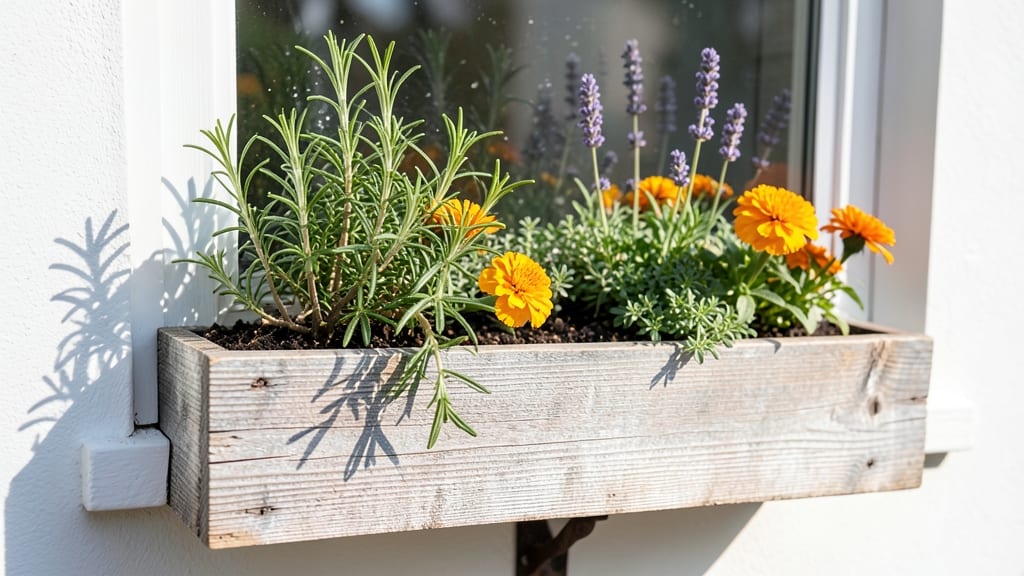
Turn your windowsill into a fragrant, functional garden with window box herb and flower combos—where beauty meets the kitchen. These narrow planters let you grow culinary herbs like rosemary and thyme alongside cheerful blooms such as marigolds or lavender, creating a dual-purpose display that’s as useful as it is decorative.
For best results, pair sun-loving herbs (like rosemary) with drought-tolerant flowers (such as marigolds) to reduce maintenance. Use a well-draining potting mix and place the box where it gets at least 6 hours of sunlight daily. Prune herbs regularly to encourage bushier growth, and deadhead flowers to prolong blooming. This combo works especially well for renters, urban gardeners, or anyone with limited outdoor space who wants fresh herbs within arm’s reach.
This setup is perfect for cooks who love fresh garnishes or gardeners who crave color without sacrificing functionality. Plus, the scent of rosemary and lavender wafting through an open window is pure magic. 🌿
Spiral Herb Garden with Edible Flowers
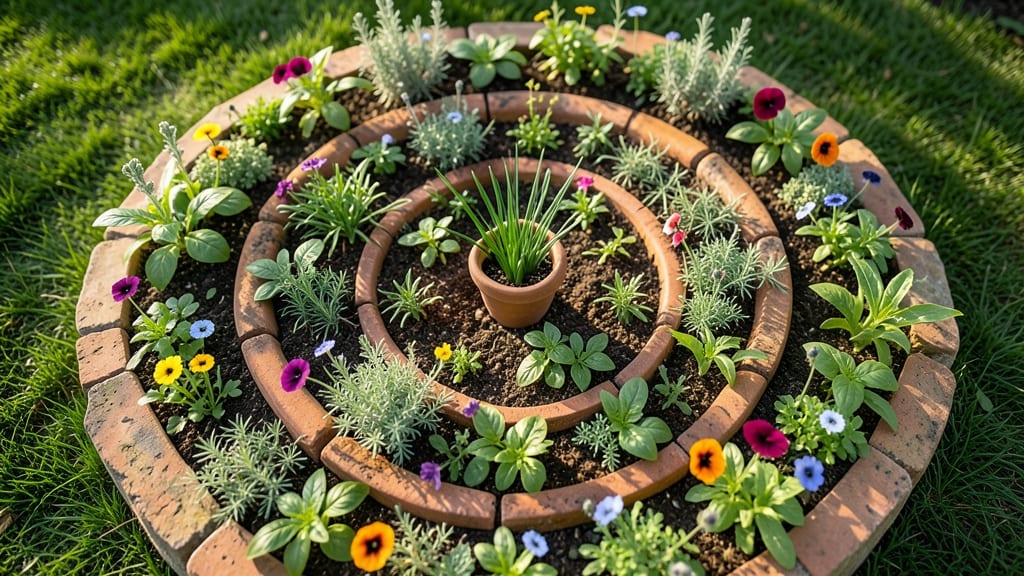
Want a garden that’s both functional and beautiful without sacrificing precious square footage? A spiral herb garden with edible flowers is your answer—it’s like a tiny, edible pizza, packed with flavor in every bite-sized layer!
This design uses concentric circles to create a space-saving spiral where you can grow herbs like basil, chives, and thyme alongside edible flowers such as nasturtiums and borage. The spiral shape maximizes sunlight exposure and airflow, ensuring every plant thrives. Start with a base of drought-tolerant herbs in the center, then spiral outward with flowers that attract pollinators.
Perfect for cooks who love fresh garnishes, this design fits seamlessly into small yards, balconies, or even large pots. Plus, it’s a fun project for kids or gardening enthusiasts who want a low-maintenance, high-reward space. 🌱
Wall-Mounted Pocket Planters for Pollinators
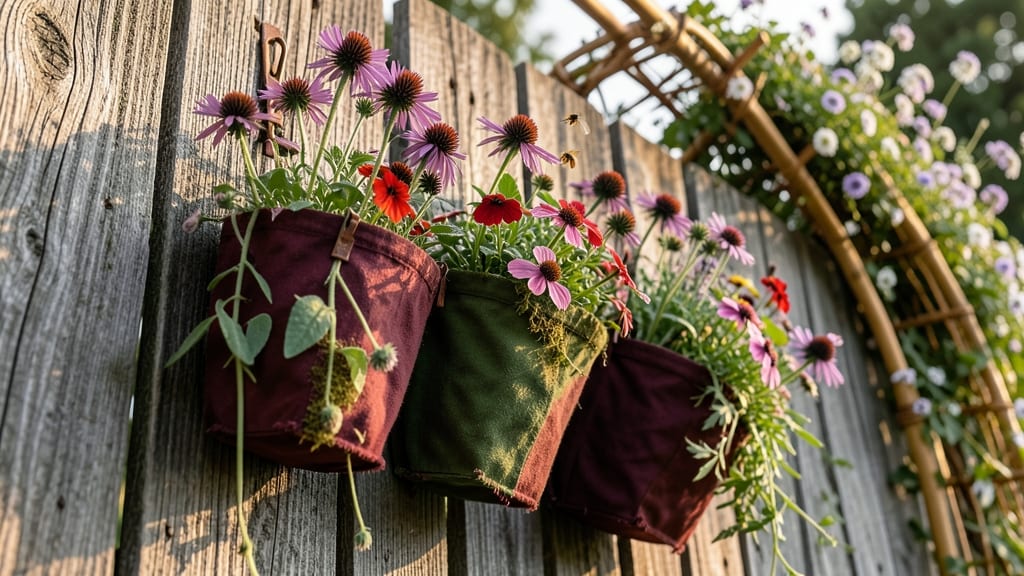
Turn your fence or blank wall into a buzzing ecosystem with wall-mounted pocket planters—a game-changer for small gardens. These modular fabric or felt pockets let you grow native wildflowers like purple coneflower and bee balm without taking up precious ground space. Simply attach them to a trellis, fence, or wall, and watch pollinators flock to your garden within weeks.
Each pocket holds just enough soil for a single plant, making them lightweight and easy to install. Opt for drought-tolerant varieties to reduce watering needs, and arrange pockets in staggered patterns for a natural, textured look. This setup thrives in full sun to partial shade, so even urban balconies can support pollinator-friendly blooms year-round.
Perfect for eco-conscious gardeners, these planters double as a living art piece while supporting local wildlife. Renters and small-space gardeners will love how they transform bare walls into vibrant, functional habitats. 💚
Miniature Allée with Dwarf Perennials
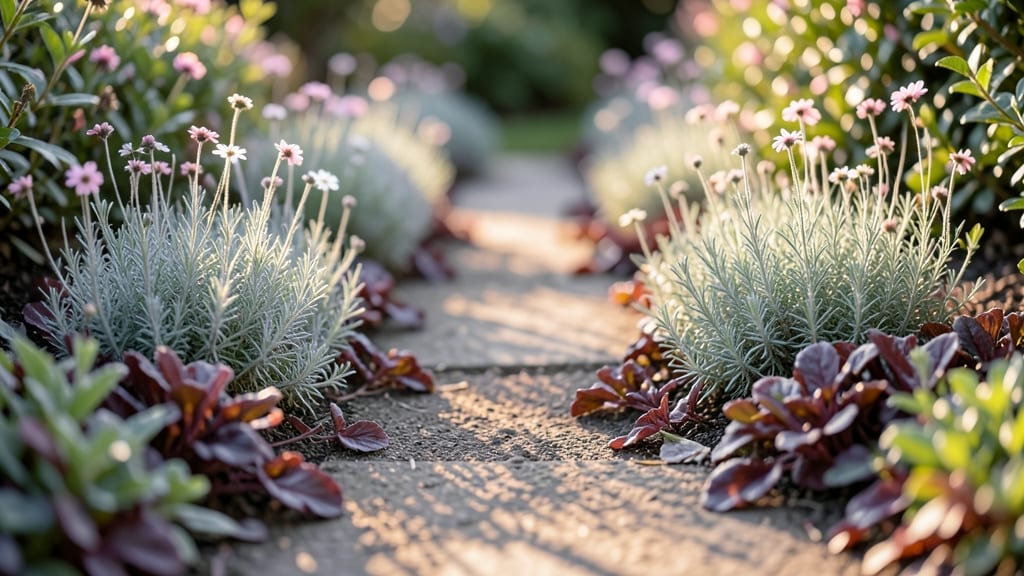
Skip the grand formal garden—your small walkway deserves a miniature allée that feels just as elegant. Instead of tall hedges, use dwarf perennials like creeping thyme or ajuga to create a delicate, fragrant path that invites you to linger.
Plant two parallel rows of these low-growing beauties, spaced about 12 inches apart, along your pathway. They’ll spread naturally to form a lush, carpet-like border that stays underfoot while requiring minimal trimming. For extra charm, add small white pebbles between the rows to define the path and reflect light. These perennials thrive in partial shade to full sun and return year after year with little effort.
This design is perfect for gardeners who love a polished look without the upkeep of formal hedges. It’s especially ideal for urban courtyards or narrow garden beds where space is tight but style matters. 💚
Hanging Flower Basket Tree
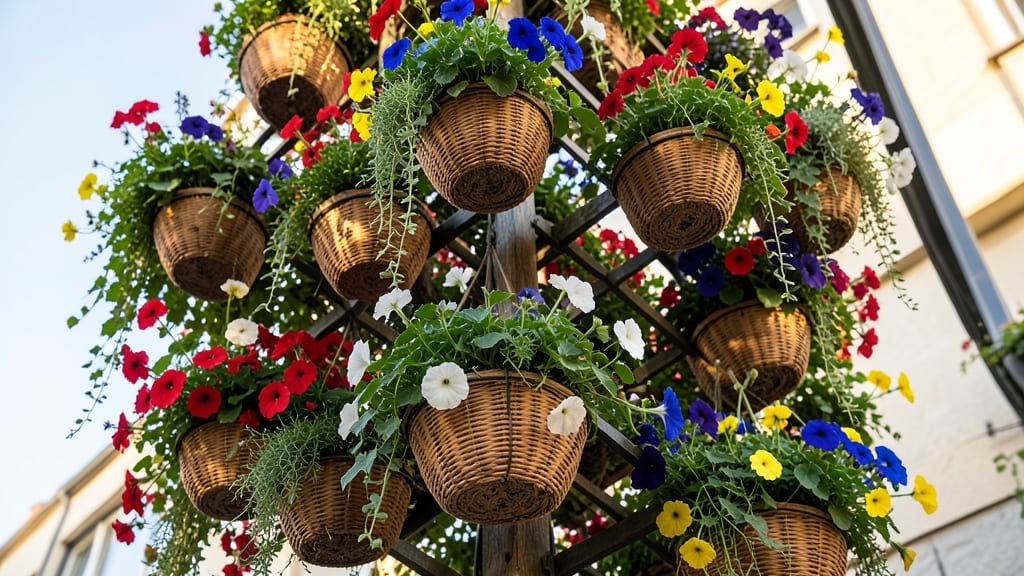
Turn even the smallest outdoor space into a living vertical garden with a hanging flower basket tree—a creative twist that adds drama and color without taking up ground space. This idea is perfect for renters, urban balconies, or tiny yards where every inch counts, letting you grow a garden "up" instead of out.
Start with a small tree, sturdy post, or even a decorative metal frame as your "trunk." Attach hanging baskets at varying heights—low for trailing plants like lobelia, mid-level for bushy geraniums, and high for cascading pansies. Use weather-resistant hooks or brackets to secure baskets, and choose lightweight soil mixes to prevent strain. Rotate baskets occasionally for even sunlight exposure, and water consistently to keep trailing varieties lush.
This approach is ideal for seasonal gardeners who want to swap out baskets for different blooms or foliage, or for those with limited mobility who prefer elevated planting. Plus, it’s a conversation starter that turns a simple post into a focal point for your small garden. 🌻
Corner Pocket Garden with Bulbs
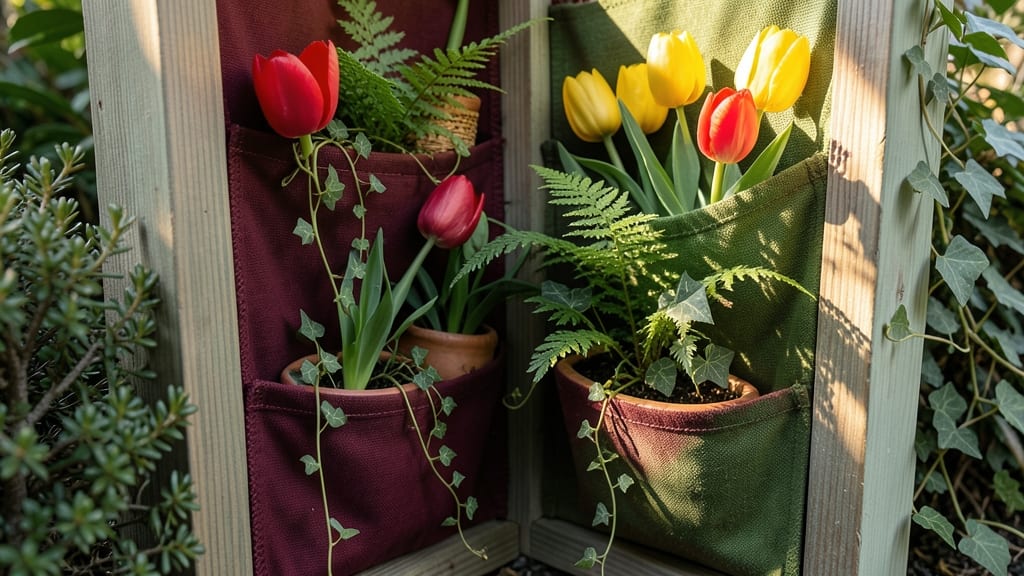
Turn those awkward, unused corners of your garden into vibrant focal points with a corner pocket garden—no wasted space, just year-round beauty. Vertical fabric pockets or small bulb planters tucked into tight angles create a cozy nook while maximizing every square inch of your yard.
Plant spring tulips for early color and summer dahlias for bold blooms, ensuring your corner garden stays lively from March through October. Choose fabric pockets with drainage holes to prevent root rot, and opt for lightweight soil mixes designed for containers. This setup is perfect for renters or urban gardeners who need flexible, low-maintenance solutions. 🌷
Trellis-Trained Climbing Flowers
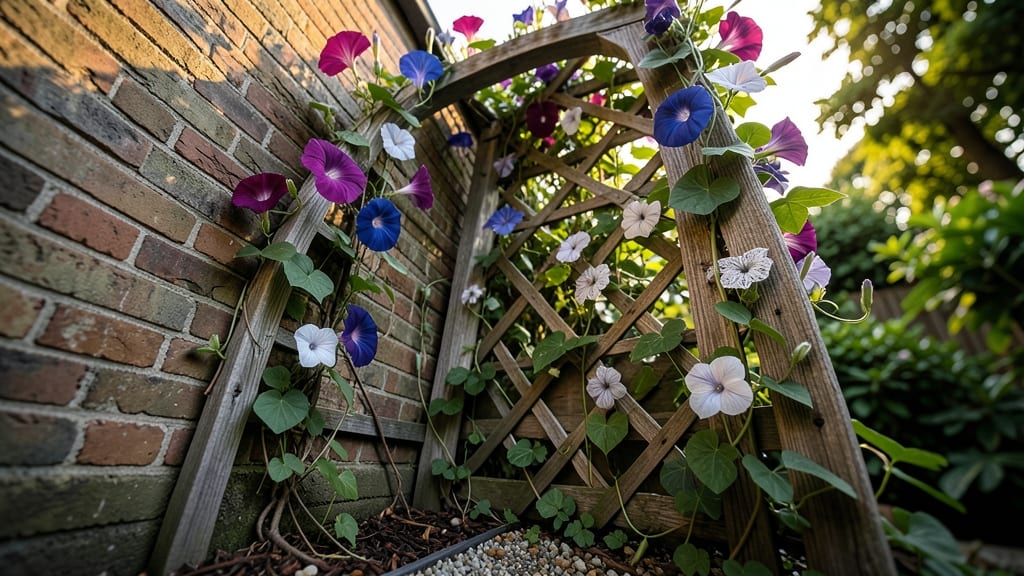
Turn a narrow garden corner into a vertical showstopper with trellis-trained climbing flowers like morning glories or clematis. These fast growers transform blank walls or fences into living canvases of color, adding three-dimensional drama without stealing precious floor space.
Start by installing a 4-6 foot tall trellis in a sunny corner (most climbers need 6+ hours of sun). Plant morning glories from seed directly at the base in spring—they’ll climb 6-10 feet in just 8-10 weeks—or use established clematis vines for year-round interest. Prune regularly to encourage bushier growth, and watch as your small space gains instant vertical height and pollinator appeal.
This trick works especially well for urban gardeners with limited square footage or anyone who wants to add architectural interest without sacrificing ground-level planting space. Just imagine the impact of a blue morning glory curtain framing your patio door! 🌻
Container Stacking with Mixed Heights

Forget flat surfaces—uneven patios and balconies become stunning vertical gardens when you stack containers in mixed heights and textures. This playful approach turns awkward spaces into eye-catching displays while maximizing plant diversity in limited square footage.
Start with a large terracotta pot as your base for drought-resistant plants like lavender or rosemary, then layer smaller ceramic pots with trailing ferns or calibrachoa. Top with a metal planter for bold annuals like geraniums, and hang a macramé basket nearby for cascading ivy. The key is to vary materials—glazed ceramic reflects light, terracotta breathes moisture, and metal adds urban edge.
This technique works especially well for renters or small-space gardeners who need flexibility and visual impact. Plus, the uneven heights create natural focal points that draw the eye upward. 🌻