
Flowers
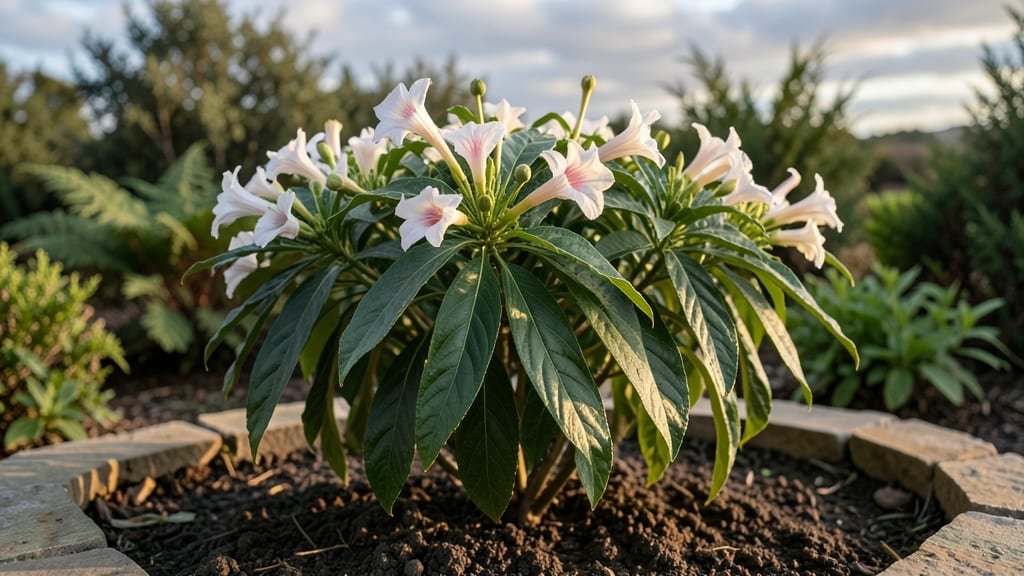
Determining whether a dragon's breath plant is annual or perennial depends on your climate: it thrives as a perennial in USDA zones 9-11 but dies back in frost and must be replanted yearly in colder regions.
This succulent's frost sensitivity comes from its tropical origins—it can't withstand temperatures below 25°F, which explains why gardeners in zones 8 and below treat it like an annual. 🌵 The good news?
Even in colder areas, you can coax a second season by bringing potted plants indoors before the first frost and giving them bright light. I've had mine bloom twice in zone 7 using a south-facing window and a grow light during winter's short days.
What sets dragon's breath apart is its ability to store water in thick leaves, which helps it survive drought but makes it vulnerable to freezing. Unlike hardy perennials, it won't regrow from roots after frost damage—so that's why replanting becomes necessary each spring.
The trade-off? Its vibrant blooms and low-maintenance nature make it worth the annual effort for many gardeners.
💡 In This Article
- Dragon’s Breath Plant Lifespan & Growth Cycle Explained
- Extending Dragon’s Breath Plant Life in Cold Climates
Dragon’s breath plant lifespan & growth cycle explained
The dragon’s breath plant’s growth cycle hinges on its succulent biology and native habitat. Originating from South Africa’s arid regions, this plant evolved to store water in its thick, fleshy leaves—an adaptation that helps it survive drought but makes it extremely frost-sensitive.
The key threshold is 25°F: below this, the plant’s cellular structure freezes, causing irreversible damage to its water-storing tissues. This explains why it behaves as a perennial only in frost-free zones (USDA 9-11), where it can grow continuously for years.
In colder climates, the plant’s growth follows a seasonal dormancy pattern triggered by temperature drops. Unlike hardy perennials that enter a protective rest state, dragon’s breath plants lack the cold resistance mechanisms (like antifreeze proteins) found in temperate species.
When frost hits, the entire above-ground structure collapses—roots included—because the plant’s energy reserves are tied up in leaf storage rather than underground survival structures. This is why gardeners in zones 8 and below treat it as an annual, replanting each spring from cuttings or seeds.
The plant’s lifecycle in frost-prone areas follows a predictable cycle: it germinates in spring, blooms through summer (typically June-August), and enters a slow decline as temperatures drop.
The critical period is October-November, when nighttime temperatures dip below 40°F—this signals the plant to conserve water aggressively, making it more vulnerable to freezing.
What most gardeners don’t realize is that even a light frost (30°F) can cause the leaves to turn black within hours, as the ice crystals rupture the plant’s delicate cell membranes.
Here’s what actually happens at the cellular level: the dragon’s breath plant’s leaves contain 90% water by volume, stored in large vacuoles. When temperatures drop below freezing, these vacuoles crystallize, piercing the cell walls.
Unlike woody perennials that can compartmentalize damage, succulents like this one lack lignified structures to contain the injury. The result? A complete collapse of the plant’s water transport system, leading to death within 24-48 hours of frost exposure.
This frost sensitivity creates an interesting paradox: the plant’s drought tolerance makes it thrive in full sun and well-draining soil during growing seasons, but its lack of cold hardiness forces gardeners in cooler climates into a yearly replanting cycle.
The good news is that its seeds germinate easily in spring, and even small stem cuttings can root quickly in sandy soil mixes. This makes it one of the most resilient "annuals" for gardeners who want perennial-like color without the winter care.
For those in marginal zones (like zone 8), the plant can sometimes survive mild winters if protected. I’ve seen cases where mulching with 4-6 inches of straw or using frost cloths can extend its life into a second year, though this isn’t reliable.
The real secret to treating it as a perennial in cold areas lies in container growing—potted plants can be moved indoors before frost and brought back outside in spring, effectively creating a multi-year specimen with minimal effort.