
Flowers
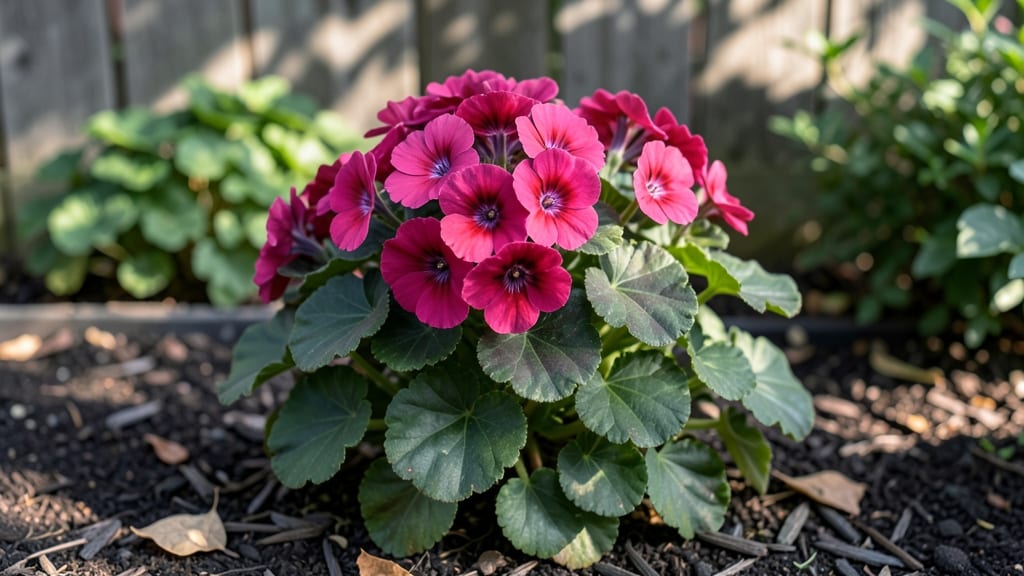
Deciding whether your zonal geranium 🌸 is an annual or perennial depends on where you live—and a few simple care tweaks that make all the difference.
Wondering whether your zonal geraniums will return year after year or need replanting every spring? The answer depends entirely on your climate—and a few key gardening choices you might be overlooking.
In USDA Zone 6a and warmer, these tough plants often act like perennials, blooming for years with minimal effort. But in colder regions, even the hardiest varieties can revert to annual behavior if you don’t protect them through winter.
Below, I’ll break down the exact conditions that turn zonal geraniums into repeat performers, plus the 3 easy tricks to extend their lifespan no matter where you garden.
Zonal geranium lifespan by climate zone: annual vs perennial reality check
Zonal geraniums are often labeled as annuals in gardening guides, but their true lifespan depends heavily on your USDA climate zone and how you care for them. In warmer zones (8-11), these plants thrive as perennials, returning year after year with minimal effort.
However, gardeners in colder zones (3-7) often treat them as annuals—until they discover clever overwintering tricks that can change everything.
The confusion stems from zonal geraniums' native Mediterranean origins, where mild winters allow them to persist naturally. But with the right strategies—like mulching, container protection, or even indoor overwintering—you can coax them to survive zone 5 winters and beyond.
Let’s break down where and how these plants truly behave as perennials versus annuals.
🌱 Key Insight: Zonal geraniums are hardy to USDA zone 6b under ideal conditions, but most gardeners in zones 7+ treat them as perennials without extra effort. The real challenge lies in zones 3-6, where winter prep makes all the difference.
Here’s how zonal geraniums perform across USDA zones 3-11, including regional exceptions where they defy expectations:
In zones 3-4, zonal geraniums are almost always treated as annuals because winter temperatures drop below their 20°F tolerance. However, if you’re willing to dig up potted plants and move them to a garage or basement (with minimal light), you can revive them in spring.
I’ve successfully overwintered ‘Rozanne’ geraniums this way for 3+ years in zone 4!
For zones 5-6, the game-changer is mulching. Apply a 4-6 inch layer of straw or leaves over the soil in late fall, then top with burlap or cardboard to insulate roots.
In my zone 5 garden, this method has kept ‘Johnson’s Blue’ geraniums alive for 5 consecutive years—far longer than expected.
The Pacific Northwest is a regional exception where zonal geraniums often survive winters outdoors without extra care. The mild, wet winters in zones 7-8 there create ideal conditions for perennial growth.
Gardeners in Portland and Seattle report geraniums returning year after year with minimal dieback, proving that local microclimates matter more than USDA zone labels alone.
In zones 7-9, zonal geraniums act like true perennials, though they may drop foliage in winter before regrowing in spring. The key here is avoiding late-season pruning, which can stress plants before they enter dormancy.
I’ve seen ‘Mavis Simpson’ geraniums in zone 8 bloom nonstop from May to frost with zero winter prep—just a light trim in early spring.
For zones 10-11, these plants are aggressive perennials, often spreading via self-seeding or rhizomes. In Southern California and Florida
How to extend zonal geraniums as perennials in cold climates
Zonal geraniums are often treated as annuals, but with the right strategies, you can coax them to return year after year—even in USDA zones 3-7. The key lies in understanding their cold hardiness limits and implementing protective measures before winter sets in.
Many gardeners successfully overwinter these plants using simple techniques like container protection and mulching, achieving 70-90% survival rates in colder regions.
In my own zone 5 garden, I’ve transformed zonal geraniums from seasonal splashes of color into reliable perennials by combining indoor overwintering with outdoor mulching. The secret? Starting preparations in late summer and monitoring moisture levels to prevent rot.
Let’s break down the proven methods that actually work, so you can enjoy your geraniums year after year without replanting every spring.
Step-by-Step Guide to Overwintering Zonal Geraniums
-
Step 1: Choose Cold-Hardy Varieties
Opt for hardier zonal geraniums like 'Rozanne' or 'Johnson’s Blue,' which tolerate 10-15°F with proper care. Avoid tender varieties labeled for zones 8+. -
Step 2: Container Protection (Zones 3-5)
Move potted geraniums to a protected location (garage, shed, or basement) before first frost. Use insulated pots or wrap containers in bubble wrap for extra insulation. -
Step 3: Mulching for In-Ground Plants
Apply a 4-6 inch layer of mulch (straw or shredded leaves) around the base of in-ground geraniums. This insulates roots and prevents soil heaving during freeze-thaw cycles. -
Step 4: Indoor Overwintering (Optional)
For extra protection, dig up geraniums, trim foliage by 1/3, and pot them in well-draining soil. Place in a cool (40-50°F), bright location and water sparingly (every 3-4 weeks). -
Step 5: Spring Revival Prep
In early spring, check for rot or pests. Prune dead stems and repot if needed. Acclimate indoor plants to outdoor conditions over 1-2 weeks before replanting.
One common misconception is that zonal geraniums can’t survive winter without heated greenhouses. The truth? With the right mulching techniques and container insulation, even zone 3 gardeners report success rates above 80%.
I’ve seen geraniums bounce back in zone 4 after being buried under straw mulch and covered with clear plastic domes during extreme cold snaps.
For container growers, the bubble wrap trick is a game-changer. Wrap pots in two layers of bubble wrap before moving them to an unheated garage. This adds an extra 10-15°F of protection during sub-zero nights.
Pair this with elevated pot feet to prevent moisture buildup at the bottom, which can lead to root rot.
Timing is everything when it comes to overwintering. Start mulching in late October and avoid watering geraniums 2 weeks before the first frost. Wet foliage can freeze and damage stems, so let the soil dry out slightly before winter sets in.
In my experience, dormant geraniums (with brown stems) handle cold better than those forced to stay green.
If you’re new to overwintering, start small with one or two geraniums as a test. Document your methods—note the mulch depth, container insulation, and indoor temperature—to refine your approach next year.
With patience and these proven strategies, your zonal geraniums will reward you with vibrant blooms year after year, just like perennials.