
Flowers
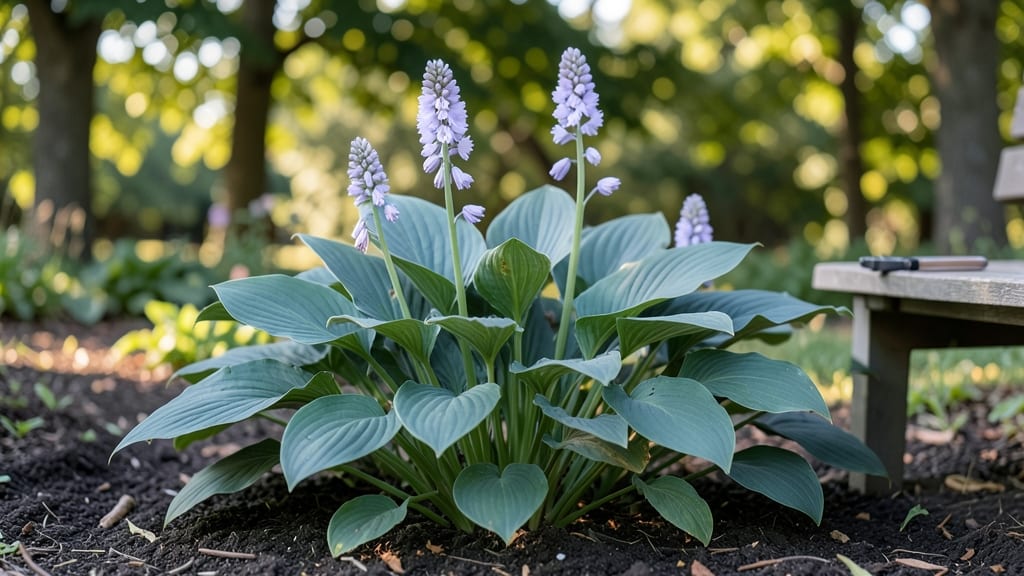
Perennials do grow back every year from their root systems, producing new foliage and flowers season after season, while annuals complete their entire lifecycle in just one growing season. Their ability to return depends on proper care and climate conditions, with many plants entering dormancy in winter only to rebound more vigorously in spring.
This persistent growth habit comes from specialized root structures like rhizomes, tubers, and crowns that store energy and nutrients underground. 🌱 Unlike annuals that sprout, bloom, and die in a single season, perennials develop deep root systems that survive harsh conditions.
For example, peonies and hostas rely on thick, fleshy roots to sustain them through winter, while others like daylilies spread via underground stems called rhizomes. The key difference lies in their biological strategy—perennials prioritize long-term survival over rapid reproduction, making them ideal for gardeners seeking low-maintenance, long-lived plants.
Understanding this distinction helps explain why some perennials appear to "disappear" in winter only to reemerge stronger in spring. Their dormant phase isn't death but a strategic energy conservation phase. This built-in resilience makes perennials perfect for landscaping projects where you want lasting color and structure without annual replanting.
💡 In This Article
- How Perennial Roots Enable Yearly Regrowth
- Caring for Perennials to Ensure Annual Returns
How perennial roots enable yearly regrowth
The secret behind perennials' annual comeback lies in their specialized root systems that act like nature's energy banks.
Unlike annuals, which invest all their resources into a single growing season, perennials develop underground structures that store carbohydrates, proteins, and water. Rhizomes (horizontal stems) like those in daylilies can grow 1-2 feet per year, while tubers (swollen storage roots) in plants like peonies store enough energy to fuel new shoots.
These systems can survive -20°F to -40°F temperatures through specialized cells that produce antifreeze proteins.
The key mechanism is dormancy, where metabolic activity slows dramatically during winter. For example, hostas enter dormancy when soil temperatures drop below 40°F, while their roots remain active just enough to maintain cell viability.
This is why you'll see some perennials like coneflowers "die back" to ground level—they're not dead, just conserving energy. The stored nutrients in these roots can sustain regrowth for 5-10 years or more without replanting, unlike annuals that must start from seed each season.
Moisture availability plays a critical role in this process. During dormancy, roots continue to absorb water when soil temperatures are between 32°F and 50°F, a range that prevents freezing while allowing minimal growth.
This moisture replenishes the root's water reserves, which are essential for the first flush of spring growth. In contrast, annuals have no such storage capacity—their entire life cycle depends on seasonal conditions, making them far more vulnerable to environmental fluctuations.
Consider the case of asparagus, which produces edible crowns—thick, woody stems at the soil surface that store nutrients for 15-20 years. When you harvest asparagus spears, you're actually taking from these stored reserves, which is why proper care is crucial for long-term production.
This storage capacity explains why perennials can often outlive their gardeners, while annuals require complete replanting each year.
Temperature fluctuations trigger the regrowth process. When daytime temperatures consistently rise above 50°F in spring, hormonal signals in the roots stimulate bud formation. This is why you'll often see new shoots emerge before any visible foliage appears above ground—a clear sign of the root system's activity.
The timing of this response varies by species and climate zone, with some perennials in Zone 5 needing 30-45 days of consistent warmth to break dormancy.
What most gardeners don't realize is that these root systems are constantly adapting. For instance, peony roots can produce new growth points even when the plant appears dormant, creating a network of insurance shoots that ensure survival.
This redundancy is a key reason why perennials often recover from damage that would be fatal to annuals. The trade-off is slower initial growth compared to annuals, but this strategy pays off in long-term reliability.