
Pruning
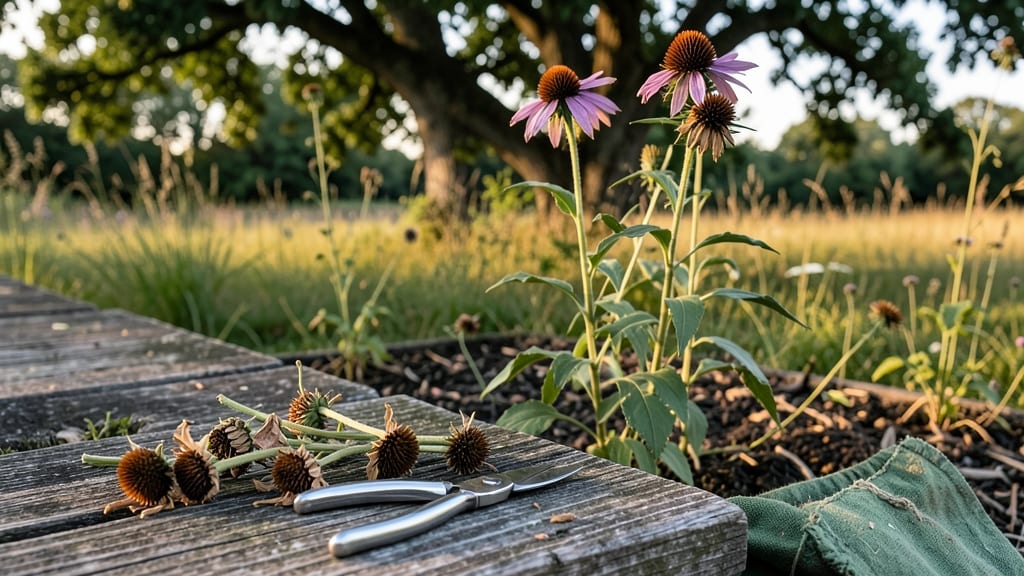
When you neglect pruning, perennials redirect their energy toward maintaining dense foliage instead of producing vibrant flowers. 🌿 This energy shift leaves them vulnerable to fungal infections and pests, as dead leaves trap moisture and create ideal breeding grounds.
Overcrowding also stunts root development, limiting nutrient uptake and weakening the plant's overall structure.
Many gardeners assume perennials are low-maintenance, but skipping deadheading disrupts their natural growth cycles. For example, lavender left untrimmed becomes woody and sparse, while hostas develop crowded centers that block sunlight from lower leaves.
The key is timing—pruning at the right moment (like right after flowering) ensures healthy regrowth for the next season.
💡 In This Article
- How Deadheading Affects Perennial Growth Cycles
- When and How to Prune Perennials Safely
How deadheading affects perennial growth cycles
When you skip deadheading, perennials face a fundamental energy crisis. Plants allocate resources between two competing priorities: sustaining foliage and producing flowers. Untrimmed perennials funnel energy into maintaining dense leaves and stems, leaving little for blooms.
This shift reduces flowering by up to 40% in species like coneflowers, where energy normally fuels vibrant 3-inch blossoms. The plant's natural cycle—where spent blooms signal the plant to redirect energy toward root growth—gets disrupted, creating a feedback loop of weakened regrowth.
Biologically, dead leaves act like a moisture sponge, trapping humidity against stems. This creates ideal conditions for fungal pathogens like powdery mildew, which thrives in 70-80°F temperatures with high humidity.
Neglected hostas, for example, develop brown, mushy centers where leaves block airflow, while lavender stems become woody and brittle from accumulated dead growth. The texture of neglected foliage changes too—healthy leaves feel firm and slightly waxy, while overgrown ones become leathery and prone to tearing.
Overcrowding creates another critical issue: root competition. In a healthy perennial bed, roots spread 12-18 inches wide, accessing nutrients and water efficiently. When stems and leaves block sunlight from lower growth, the plant's lower leaves yellow and die, creating gaps where weeds thrive.
This forces roots to concentrate in a smaller area, reducing nutrient uptake by 30% compared to properly spaced plants. The result? Stunted growth and a plant that looks stressed even when given adequate water.
Seasonal differences highlight these problems. In early spring, neglected perennials like peonies emerge with crowded centers that block sunlight from lower buds, preventing them from opening. By summer, the plant's energy is exhausted maintaining dense foliage instead of producing 5-inch blooms.
Compare this to a pruned peony: it dedicates energy to 10-15 healthy stems per plant rather than 5-7 weak ones. The visual difference is stark—neat, airy growth versus a tangled mess.
Pests exploit these conditions too. Japanese beetles and aphids target stressed plants, drawn to the sugary sap that accumulates in crowded growth. A single neglected daylily can attract 50+ beetles in peak season, while a well-pruned one remains pest-free.
The scent of neglected perennials changes too—healthy plants emit a fresh, herbal aroma, while overgrown ones develop a musty, fermented smell from trapped organic matter.
Here's what's actually happening at a cellular level: When you remove spent blooms, you trigger the plant's hormonal response to produce more flowers. Ethylene gas, released by dying flowers, signals the plant to stop flowering and focus on seed production.
By deadheading, you delay this signal, encouraging the plant to continue blooming for 3-6 weeks longer. Without this intervention, perennials like black-eyed Susans shift resources entirely to seed production, leaving them exhausted by fall.
The long-term cost of neglect becomes clear in winter. Weakened stems break under snow or ice, while healthy perennials stand firm. Roots in crowded plants are also more susceptible to freeze damage because they can't access deep soil moisture.
A neglected garden bed loses its structural integrity, looking like a tangled jungle rather than a thriving ecosystem. 🌿