
Orchid Care
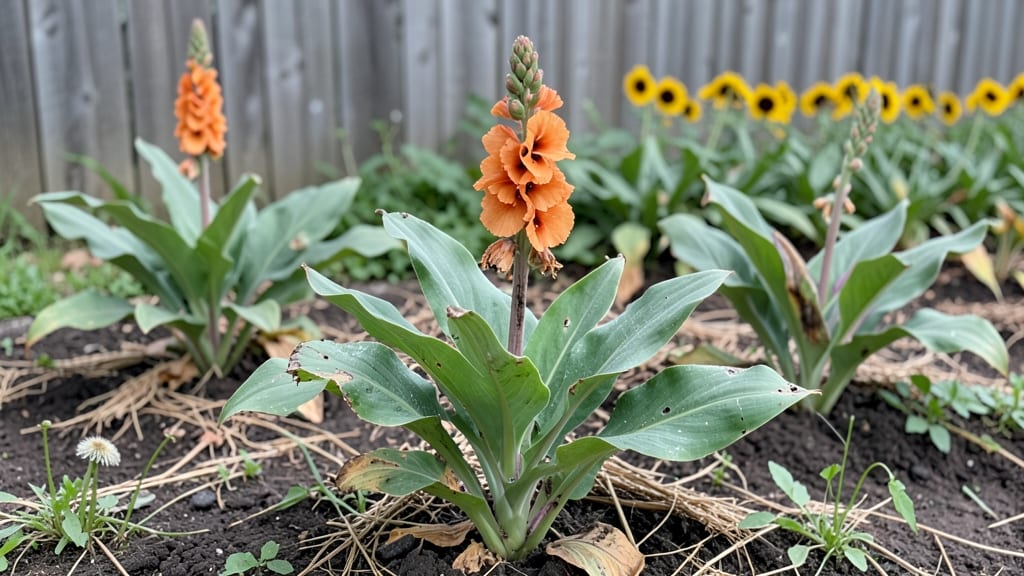
Whether canna lilies are annuals or perennials depends on your climate: they thrive as perennials in warm USDA Zones 8-11 but must be dug up and stored indoors as annuals in colder Zones 7 and below.
This distinction comes down to their tuberous root system, which naturally survives winter in frost-free zones but freezes in colder climates. 🌱 In warmer areas, cannas regrow from the same roots each spring, while gardeners in colder regions must treat them as annuals by lifting and storing tubers until temperatures rise again.
The key difference from true annuals is that canna tubers can regenerate if stored properly—unlike seeds, which must be replanted every year.
For gardeners in marginal zones (like Zone 7), success depends on timing: tubers should be dug before the first frost and cured before storage. I've found that using a well-ventilated container with slightly moist peat moss keeps them viable until replanting—just don't let them dry out completely or rot.
💡 In This Article
- Canna Lily Growth Cycle and Seasonal Adaptations
- Overwintering Canna Lily Tubers: Step-by-Step Guide
Canna lily growth cycle and seasonal adaptations
Canna lilies rely on their thick, starchy tubers to survive seasonal changes—a strategy that sets them apart from true annuals and hardy perennials. In frost-free zones (USDA 8-11), these tubers naturally enter dormancy when temperatures drop below 60°F but remain protected underground.
The tuber's thick, waxy skin prevents moisture loss while storing energy reserves, allowing regrowth when warmth returns. This is why cannas return year after year in warm climates without human intervention. 🌿
The tuber's survival mechanism involves a complex interplay of hormones and stored nutrients. During dormancy, the tuber converts starches into sugars for energy while maintaining a 50-60% moisture content—too dry and it shrivels, too wet and it rots.
In colder zones, this natural process fails because tubers freeze at 28°F or below, causing cell damage that's irreversible. Unlike true perennials (such as hostas), cannas lack cold-hardy foliage or underground stems that can regenerate after frost.
Here's where the comparison to annuals gets interesting: while true annuals complete their entire life cycle in one season (seeds → growth → flowers → seeds), cannas act like "pseudo-perennials." Their tubers can regenerate for 3-5 years if properly stored—making them more like dormant perennials than annuals.
The difference is that annuals rely on seeds for renewal, while cannas rely on stored energy in tubers. This is why gardeners in cold climates can replant the same tubers year after year and still see growth. ✨
In frost-free zones, cannas follow a predictable cycle: they emerge in spring when soil reaches 65°F, flower prolifically in summer, and die back to ground level by fall—but their tubers remain alive underground.
The key trigger for regrowth is consistent moisture and warmth, which signals the tuber to break dormancy. This contrasts with hardy perennials like peonies, which have deep root systems that survive winter intact, or true annuals like marigolds, which must be replanted from seed each spring.
The tuber's sensitivity to cold explains why cannas struggle in Zones 7 and below. When temperatures drop below 32°F, ice crystals form within the tuber's cells, rupturing their structure—a process called "freeze-thaw damage."
Unlike cold-hardy plants that can tolerate -10°F or lower, cannas lack protective mechanisms like antifreeze proteins found in winter wheat. This is why gardeners in marginal zones must dig up tubers before the first frost and store them in a cool (45-55°F), dark environment.
What most gardeners don't realize is that canna tubers can actually "remember" their optimal growing conditions. Tubers stored at 50°F with 50% humidity for 3-4 months often produce larger, more vigorous plants the following season.
This memory effect is due to the tuber's ability to maintain cellular integrity during dormancy—a trait shared with other tuber crops like dahlias. The result? A plant that can return year after year if given the right conditions. 💫