
Flowers
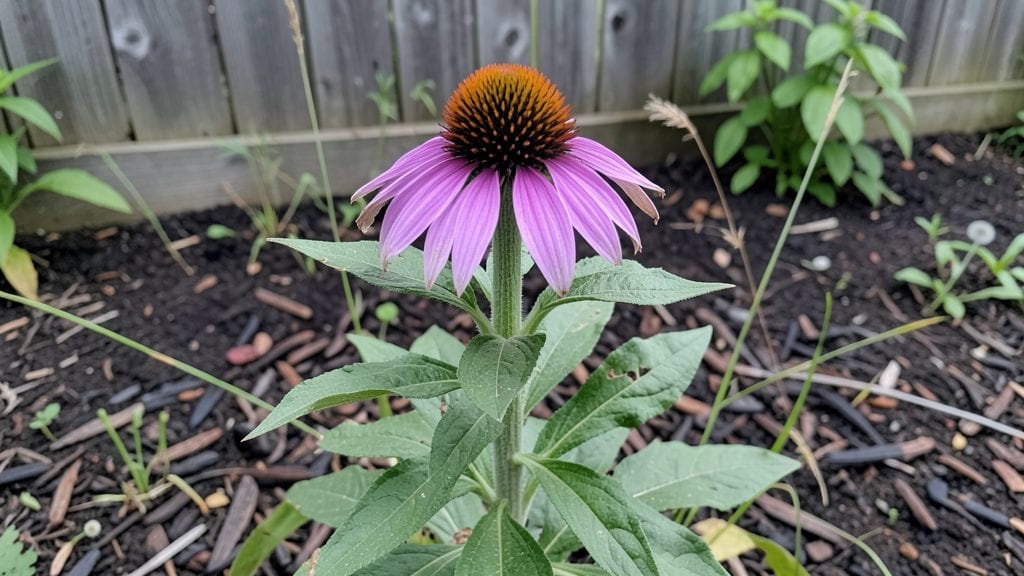
Yes, purple coneflowers are hardy perennials that thrive for multiple years with proper care, returning each season with vibrant blooms and deep roots that anchor them through winters in zones 3-9.
These striking flowers establish strong taproots that let them survive harsh winters and droughts once established. 🌱 The key to their longevity lies in their deep root systems and adaptability to various soil types, though they prefer well-draining conditions.
Many gardeners mistakenly think they're biennials because of their two-year flowering cycle, but with consistent care, they'll reward you with blooms for a decade or more.
What sets purple coneflowers apart is their resilience—once planted, they'll spread gradually through self-seeding while maintaining their vibrant purple hue year after year. This makes them perfect for pollinator gardens that need low-maintenance, long-term beauty.
💡 In This Article
- Purple Coneflower Lifespan and Growth Cycle
- Optimal Growing Zones and Planting Tips
Purple coneflower lifespan and growth cycle
Purple coneflowers follow a distinct perennial growth cycle that begins with their deep taproot system, which can extend 3-5 feet into the soil. This root structure allows them to store water and nutrients during dormancy, enabling survival through harsh winters in zones 3-9.
What's fascinating is how they emerge from the ground as early as late April in most regions, pushing through frozen soil to greet spring with their iconic purple blooms.
Their growth pattern follows a predictable seasonal rhythm: spring emergence (when basal leaves unfurl), summer blooming (June-August peak), and fall seed production (September-October). The confusion about them being biennials stems from their first year often producing only foliage, while the second year delivers the dramatic 4-inch-wide blooms that attract pollinators.
However, once established, they'll continue this cycle annually for 5-10+ years with proper care.
The key to their longevity lies in their root system's resilience. Unlike many perennials that develop fibrous roots, purple coneflowers grow a single dominant taproot that anchors them deeply.
This root can regenerate even if the top growth is damaged, allowing the plant to bounce back from drought or frost. 🌱 What most gardeners don't realize is that their seed heads also play a role in their survival—birds and wind disperse seeds that often sprout in the following season, creating natural propagation.
Here's where the biennial vs perennial confusion arises: While their first year may resemble a biennial's behavior (focused on root and foliage development), subsequent years confirm their perennial nature.
The two-year flowering cycle in their early years is actually an adaptation to establish strong roots before flowering, not a fundamental limitation. Once mature, they'll produce flowers annually, often with multiple bloom cycles throughout summer.
What makes their growth cycle particularly interesting is the seed production phase. The characteristic "cone" seed heads develop in late summer, remaining on the plant through winter.
These seeds contain a chemical called echinacea angustifolia that deters some seed predators, while also providing food for birds that aid in dispersal. This dual strategy ensures both immediate seed survival and long-term plant propagation.
Their ability to self-seed creates natural colonies over time, which is why established plants often appear denser each year. This gradual spread is one reason they're so popular in native plant gardens—they create a self-sustaining ecosystem that thrives with minimal intervention.
The 3-4 foot mature height and 2-3 foot spread give them the perfect proportions for both wild and cultivated landscapes.
What most gardeners overlook is that their second-year flowering is actually when they reach their full potential. The first year's modest blooms (if any) are just a preview of what's to come.
This delayed gratification is part of what makes them such rewarding perennials—their true beauty unfolds over time, with each subsequent year bringing more robust blooms and stronger plants.