
Blooming
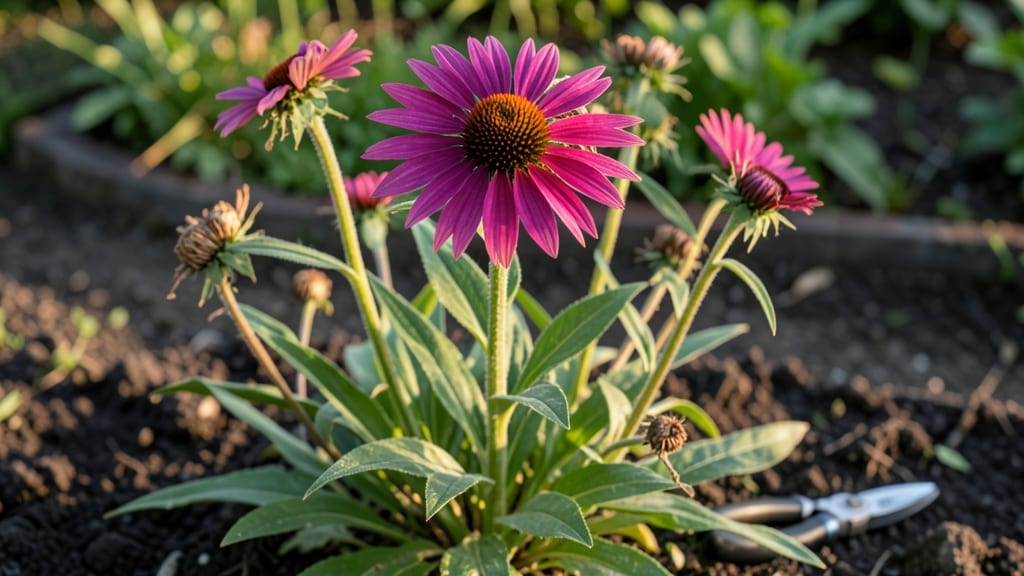
How often perennials bloom depends entirely on the plant type—some like coneflowers produce flowers every year, while others like peonies may bloom just once every 2-3 years. Your local climate and gardening practices also play huge roles in when and how frequently they flower.
Understanding blooming patterns helps you plan your garden more effectively.
For example, peonies are known for their dramatic but infrequent blooms, while daylilies reward you with multiple flushes of flowers throughout the growing season. 🌸 The key is matching your perennials to your climate—cool-season varieties often bloom earlier in warmer zones, while heat-loving plants may need extra water to keep flowering consistently.
I always recommend checking your USDA zone and soil conditions to maximize bloom frequency.
Some perennials even adjust their blooming schedules based on sunlight exposure. Shade-tolerant plants like hostas may produce fewer flowers than sun-loving varieties, but they often compensate with lush foliage. The secret to predictable blooming is consistent care—proper watering, occasional fertilization, and strategic pruning can all encourage more frequent flowering.
💡 In This Article
- Blooming Cycles of Popular Perennials by Type
- Climate Zones and Perennial Flowering Schedules
Blooming cycles of popular perennials by type
Here's what's actually happening inside your garden: Perennials have evolved distinct blooming patterns tied to their natural survival strategies. The most dramatic examples are spring-only bloomers like trilliums, which rely on early-season pollinators before summer heat arrives.
These plants store energy underground during winter, then burst into flower when soil temperatures reach 50-55°F—a biological trigger that synchronizes with local pollinator emergence patterns.
Then there are the summer-long performers like daylilies and black-eyed Susans, which produce multiple flower flushes because they're photoperiod neutral—meaning they bloom continuously as long as daylight exceeds 12-14 hours.
The key difference is their root systems: These plants develop extensive fibrous roots that store carbohydrates throughout the season, fueling repeated blooming cycles. 🌿 What most gardeners don't realize is that each flush of flowers actually weakens the plant slightly, which is why professional growers often remove spent blooms to encourage more frequent regrowth.
On the opposite end are the sporadic bloomers like hostas and peonies, which have evolved to conserve energy for foliage production. Hostas, for instance, typically bloom just once in late spring to early summer because their thick, waxy leaves are their primary survival mechanism in shaded conditions.
Peonies take this further by producing massive, nutrient-rich blooms only every 2-3 years—their roots store energy for decades, sometimes producing flowers only when they've reached 3-5 years of maturity and accumulated enough reserves.
Temperature plays a surprising role in these cycles. Cool-season perennials like lungwort often bloom in early spring (March-April) because they're triggered by chilling requirements—typically 400-800 hours below 40°F—that break their dormancy.
Meanwhile, heat-loving varieties like salvias may delay blooming until soil temperatures exceed 65°F, which explains why they often flower later in cooler climates. This biological timing explains why your neighbor's garden might look completely different from yours even with the same plants!
Let's look at two perfect examples: Coneflowers (Echinacea) produce 3-4 weeks of continuous blooms because they're self-cleaning—their seed heads remain upright after flowering, encouraging multiple pollinator visits.
In contrast, beard tongue (Penstemon) blooms just once per season but for 6-8 weeks because it's adapted to high-altitude environments where pollinators are scarce during short growing seasons. The lesson here is that blooming frequency often reflects a plant's native ecosystem adaptations.
What this means for your garden is simple: If you want year-round color, mix spring, summer, and fall bloomers together. For instance, pair early spring blooming bleeding heart with summer-long coreopsis and late-season sedum to create continuous interest.
The science shows that plants with staggered blooming cycles actually support more diverse pollinator populations throughout the growing season! 🌸