
Plants
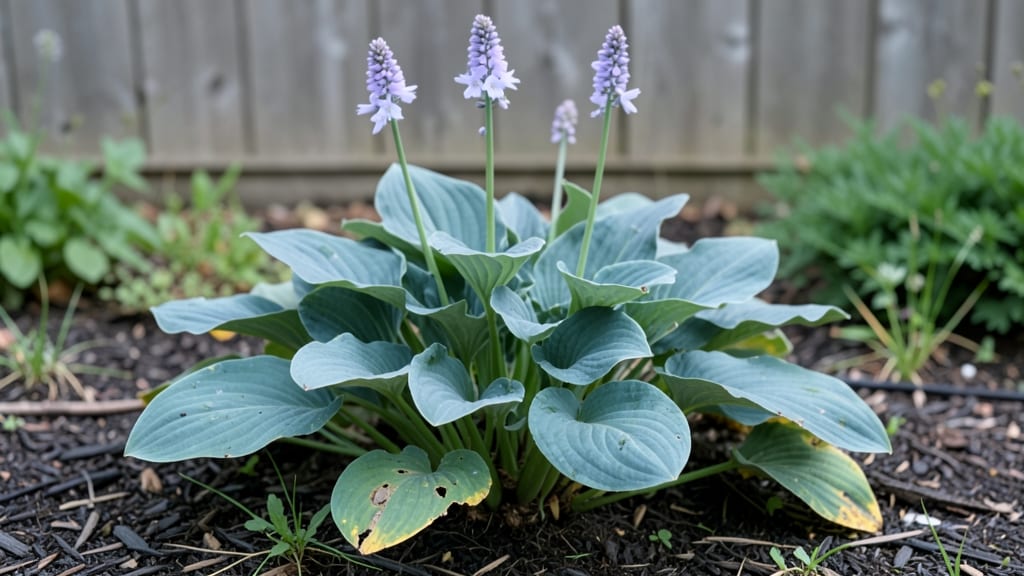
Perennials come up every year because their root systems—rhizomes, tubers, or crowns—store energy underground, allowing them to regrow season after season even after dying back in winter. Unlike annuals, they prioritize survival over rapid reproduction, relying on persistent underground structures to thrive for multiple years.
This survival strategy hinges on their ability to bank nutrients like starches and sugars in specialized underground structures. 🌱 During dormancy, these roots remain alive but inactive, conserving energy until spring's warmth triggers regrowth.
Unlike annuals that complete their life cycle in one season, perennials invest in long-term persistence—think of them as the marathon runners of the plant world, not sprinters.
For gardeners, this means less replanting and more consistent beauty year after year. The trade-off? Perennials often grow slower initially since they're building their root reserves. But once established, they become low-maintenance workhorses that outlast annuals by decades.
💡 In This Article
- How Perennial Root Systems Enable Annual Regrowth
- Gardening Tips to Encourage Perennial Survival Year After Year
How perennial root systems enable annual regrowth
Here's what's actually happening underground: Perennials like hostas and peonies store energy in specialized structures that act like natural batteries. Rhizomes (horizontal stems) store up to 50% starch by dry weight, while bulbs like daffodils pack sugars into fleshy scales that can weigh 10-15 times more than their above-ground parts.
These reserves fuel regrowth after winter dormancy, which can last 3-6 months depending on climate.
The key factor is dormancy—a survival mechanism triggered by cool temperatures below 50°F and reduced daylight. During this time, root cells enter a metabolic slowdown, reducing water loss and energy expenditure. 🌱 When spring arrives, rising temperatures and increasing light levels trigger hormones like gibberellins that "wake up" the roots.
This hormonal shift causes stored starches to convert into sugars, which fuel new shoot growth within 7-14 days in many species.
Unlike annuals that complete their life cycle in one season, perennials prioritize root development over seed production. For example, a 5-year-old daylily may produce only 10% of its energy for flowers, while allocating the rest to expanding its rhizome network.
This strategy makes them more resilient to environmental stresses like drought or frost, as their extensive root systems can tap into deeper soil moisture.
Consider these structural differences between perennial types:
- Rhizomatous perennials (e.g., asclepias): Spread horizontally, creating new growth points at nodes along the stem
- Tuberous perennials (e.g., dahlias): Store energy in thickened underground stems that can reach 10+ inches deep
- Crown-forming perennials (e.g., coneflowers): Develop a compact, woody base where leaves and roots meet
What most people don't realize is how temperature gradients affect regrowth timing. Roots near the surface (2-4 inches deep) may warm up first in spring, triggering early shoots, while deeper roots (12+ inches) remain cooler and continue storing reserves.
This staggered emergence helps perennials maximize their growing season in unpredictable climates.
The science behind this involves a fascinating trade-off: Perennials sacrifice immediate reproduction for long-term survival. While annuals like marigolds produce thousands of seeds in one season, a single peony plant might live 50+ years while producing only 10-20 flowers annually.
This evolutionary strategy pays off in stable environments where survival is more valuable than rapid colonization.