
How To
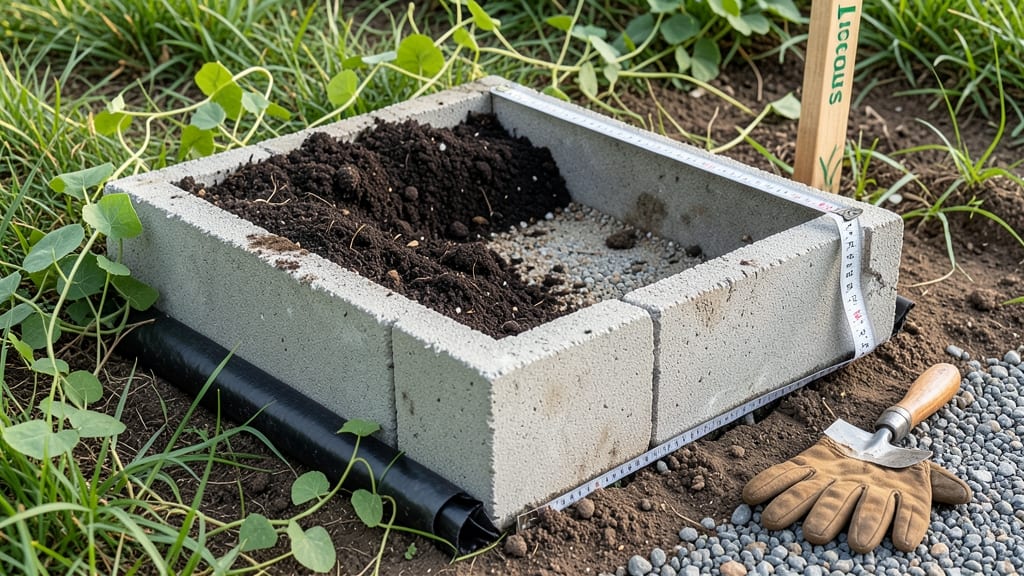
The cinder block raised bed pros and cons make it a standout choice for gardeners who value durability and customization—but with drainage quirks and weight challenges to consider. 🌱 I’ve built three of these beds over the years, and while they’ve held up beautifully, I’ve also learned which plants thrive (and which struggle) in their unique environment. The blocks resist rot and pests, but their porous nature means water drains too fast for moisture-loving crops.
One of their biggest advantages is how easy they are to assemble—no special tools needed, and you can adjust the size to fit any space. They’re also budget-friendly compared to cedar or composite lumber, especially if you source blocks locally.
The downside? Their rough texture can leach alkaline minerals into soil, which may affect sensitive plants like blueberries or azaleas over time.
You’ll find they’re perfect for root vegetables like carrots and potatoes, thanks to their deep walls, but not ideal for heavy feeders like tomatoes or peppers unless you amend the soil heavily. The blocks also age well, lasting 10+ years with minimal maintenance—just watch for moss growth in damp climates.
For a lighter alternative, consider stackable plastic planters or cedar frames, but if you prioritize sturdiness and don’t mind the weight, cinder blocks deliver. Just plan for extra soil prep to offset their drainage and mineral leaching—your plants will thank you for the effort.
The first product explained
Looking for a budget-friendly, no-fuss way to elevate your gardening game? Meet the EasyGrow Cinder Block Raised Bed Kit—a standout choice for both beginners and seasoned gardeners alike! 🌱✨ This product combines simplicity, affordability, and practicality, making it a top contender in the cinder block raised bed market.
📏 Specs & Features
The EasyGrow kit comes with everything you need to assemble a sturdy, 4' x 8' raised bed using concrete cinder blocks. Here’s what’s included:
- 16 heavy-duty cinder blocks (designed for durability and weather resistance)
- Galvanized steel corner braces (prevents shifting and ensures stability)
- Landscape fabric (supports weed suppression and drainage)
- Detailed assembly instructions (with illustrations for hassle-free setup)
The kit is ideal for small to medium-sized gardens and can be easily expanded by purchasing additional blocks. Weighing in at ~50 lbs per block, it’s built to last through multiple growing seasons, though it may require occasional sealing to maintain its appearance.
🎯 Target Users
This product is perfect for:
- Budget-conscious gardeners (affordable alternative to wood or metal raised beds)
- Urban or small-space gardeners (compact yet spacious design)
- DIY enthusiasts (simple assembly with minimal tools required)
- Organic gardeners (non-toxic materials, no chemical leaching)
💰 Price Point & Value
Priced at $89.99 (as of latest update), the EasyGrow kit offers exceptional value for its durability and ease of use. While it may not have the polished look of premium raised beds, its low cost, longevity, and functionality make it a smart investment for those prioritizing practicality over aesthetics.
Pro Tip: 💡 Pair this kit with a cinder block sealant to extend its lifespan and keep it looking fresh year after year!
The second product explained
Next up, let’s dive into Product B: The EcoBlock Raised Garden Kit—a sleek, modular solution designed for gardeners who want durability without the bulk. 🌱✨ This system stands out with its eco-friendly approach, blending functionality with sustainability.
📏 Specs & Features
The EcoBlock Raised Garden Kit is built with recycled concrete cinder blocks (certified for non-toxic use) and features:
- Modular design: 24 interlocking blocks (12" x 12" x 12") that snap together without mortar, making assembly a breeze. 🧱
- Built-in drainage: Pre-drilled holes at the base ensure excess water escapes, while a removable liner (optional) keeps soil in place.
- Portable & stackable: Weighs ~30 lbs per block (total kit: ~720 lbs) and can be disassembled for seasonal storage or relocation.
- Customizable height: Stack blocks to create beds 12", 24", or 36" tall—ideal for wheelchairs, knee-friendly gardening, or deep-rooted plants.
- Weather-resistant: Treated to withstand freeze-thaw cycles and UV exposure, with a 5-year warranty.
🎯 Target Users
This kit is perfect for:
- Urban gardeners: Maximizes small spaces with clean lines and no soil spillage.
- Eco-conscious growers: Made from 100% post-consumer recycled materials.
- Renters or transient gardeners: Lightweight and portable—no permanent installation needed.
- Accessibility-focused users: Adjustable heights accommodate all mobility levels.
$ Price Point & Value
The EcoBlock Raised Garden Kit retails for $249–$349 (depending on size and liner options), positioning it as a mid-range investment. While pricier than basic cinder block setups, it justifies the cost with:
- No tools or mortar required (saves ~$50 in labor).
- Long-term durability (reduces replacement costs).
- Versatility for multiple garden layouts or seasons.
Pro tip: 💡 Bundle with their compostable landscape fabric ($20) to suppress weeds and extend bed life.
Head-to-head comparison
Ready to dive into the nitty-gritty? Let’s break down the cinder block raised bed vs. traditional raised bed options in a side-by-side comparison. Whether you're weighing durability, drainage, or cost, this breakdown will help you decide which setup suits your garden best. 🌱🔨
📊 Performance: Drainage & Soil Health
Cinder block raised beds are often praised for their superior drainage, thanks to the porous nature of the blocks. Here’s how they stack up:
- Cinder Block Beds:
- ✅ Excellent drainage – Gaps between blocks and the porous material allow excess water to escape quickly, reducing root rot risks.
- ✅ Good aeration – Soil stays loose and well-oxygenated, ideal for root vegetables like carrots and potatoes.
- ⚠️ Potential heat absorption – Cinder blocks can warm up in sunlight, which may benefit some plants but could stress heat-sensitive crops.
- Traditional Wooden/Metal Beds:
- ✅ Customizable drainage – You can add gravel or drainage holes, but it requires extra effort.
- ❌ Poor aeration – Soil can compact over time, especially in wooden beds, leading to slower water drainage.
- ✅ Cooler soil temps – Wood retains moisture longer and stays cooler, which is great for leafy greens.
Winner: Cinder blocks for drainage, but wooden beds excel in moisture retention.
🛠️ Features: Build & Customization
How easy are they to assemble, and how flexible are your design options?
- Cinder Block Beds:
- ✅ No tools required – Stack blocks like LEGOs (mortar optional for stability).
- ✅ Heavy-duty & long-lasting – Resists rot, pests, and warping over time.
- ❌ Limited height adjustments – Blocks are uniform; raising the bed higher requires stacking more layers.
- ❌ Less aesthetic variety – Unless you paint them, they’re utilitarian in appearance.
- Traditional Beds:
- ✅ Endless customization – Choose wood type, height, and even add trellises or built-in seating.
- ✅ Lightweight & portable – Easier to move or expand as needed.
- ❌ Requires tools & skill – Building may involve cutting, screwing, or treating wood.
- ❌ Prone to wear – Wood rots, metal rusts, and both can degrade faster than cinder blocks.
Winner: Cinder blocks for ease of assembly; traditional beds for customization.
$💰 Price: Upfront & Long-Term Costs
Let’s talk budget—because let’s face it, gardening on a dime (or not!) matters.
| Factor | Cinder Block Beds | Traditional Beds |
|---|---|---|
| Initial Cost | $50–$200 per bed (depending on block size and quantity) | $100–$500+ (wood type, size, and labor costs vary) |
| Maintenance Cost | Low (no painting, sealing, or replacement needed) | Moderate to high (wood needs sealing every few years; metal may rust) |
| Longevity | 20+ years with minimal upkeep | 5–15 years (depends on material quality and weather exposure) |
Winner: Cinder blocks win for long-term savings, but traditional beds may have a lower initial cost for small projects.
🏗️ Durability: Weathering the Storms (Literally)
Can your raised bed handle rain, snow, or the occasional critter attack?
- Cinder Block Beds:
- ✅ Fire-resistant – Won’t burn like wood.
- ✅ Pest-proof – Rodents and insects can’t chew through them.
- ✅ Weather-resistant – Won’t warp, crack, or rot in humidity or freeze-thaw cycles.
- ⚠️ Heavy – Harder to move if you need to relocate your garden.
- Traditional Beds:
- ❌ Vulnerable to rot – Wood beds degrade faster in wet climates.
- ❌ Attracts pests – Termites and carpenter ants love untreated wood.
- ✅ Lighter weight – Easier to disassemble or transport.
Winner: Cinder blocks dominate in durability—no contest here!
🌿 Plant Suitability: What Grows Best?
Not all plants thrive in every bed type. Here’s who’s happy where:
- Cinder Block Beds:
- 🌱 Ideal for: Root veggies (carrots, potatoes), herbs, and drought-resistant plants (lavender, rosemary).
- 🌱 Less ideal for: Heat-sensitive crops (like lettuce) unless shaded.
- Traditional Beds:
- 🌱 Ideal for: Leafy greens (spinach, kale), delicate plants (strawberries, peppers), and moisture-loving herbs (cilantro, parsley).
- 🌱 Less ideal for: Plants needing excellent drainage (e.g., succulents).
Winner: Depends on your garden goals—mix and match beds for variety!
💡 Pro Tips for Either Option
- 💡 For Cinder Blocks: Line the bottom with landscape fabric to prevent weeds from creeping up through the gaps.
- 💡 For Wooden Beds: Use cedar or redwood for natural rot resistance, or treat pine with a non-toxic sealant.
- 💡 Hybrid Hack: Combine cinder blocks with wooden frames for the best of both worlds—durability + customization!
- 💡 Drainage Boost: Add a layer of gravel or broken pottery at the bottom of any bed to improve water flow.
Which one should you choose?
So, should you build a cinder block raised bed? The answer depends on your priorities, budget, and gardening goals! Here’s a clear verdict to help you decide:
✅ Best for:
- Budget-conscious gardeners: Cinder blocks are affordable and often repurposed, making them a cost-effective choice for DIY projects. 💰
- Durability seekers: If you need long-lasting, weather-resistant beds that won’t rot or warp, cinder blocks are a winner. 🏗️
- Urban or small-space gardeners: Their modular design lets you create custom shapes and sizes, perfect for tight areas. 🏙️
- Drainage-focused growers: The gaps between blocks improve water flow, reducing root rot risks for plants like herbs, peppers, or succulents. 💧
⚠️ Consider alternatives if:
- You prioritize aesthetics: Cinder blocks have an industrial look—opt for wood, stone, or composite materials if you want a polished garden design. 🎨
- Weeds are a nightmare for you: The gaps between blocks can let weeds sneak in. Line the bed with landscape fabric or fill gaps with mortar to minimize this. 🌱
- You’re growing heavy feeders: Large plants (like tomatoes or corn) may need deeper beds. Pair cinder blocks with a wooden frame or add soil depth below. 🍅
- You’re eco-conscious: Cinder blocks aren’t recyclable, and their production has a higher carbon footprint than sustainable materials like reclaimed wood. ♻️
💡 Pro Tip for the Fence-Sitters:
If you love the idea of cinder blocks but want to mitigate the downsides, try these tweaks:
- Fill the gaps between blocks with mortar or concrete to reduce weeds and improve stability.
- Add a wooden or metal liner on the inside for a cleaner look and easier maintenance.
- Paint or stain the blocks to blend them into your garden’s decor—some gardeners even use faux stone paint for a seamless look! 🎨
🌱 Final Verdict: Cinder block raised beds are a fantastic choice if you value durability, drainage, and budget-friendliness. For those who prioritize looks, sustainability, or deep-rooted plants, explore alternatives like cedar wood or composite materials. Either way, happy gardening—your plants (and wallet) will thank you!