
Container Gardens
Transform household clutter into thriving garden beds without breaking the bank. These 10 creative, no-waste upcycling ideas prove you don’t need expensive materials to build functional, beautiful raised garden beds that extend your growing season and reduce waste.
Pallet Wood Garden Bed Frames
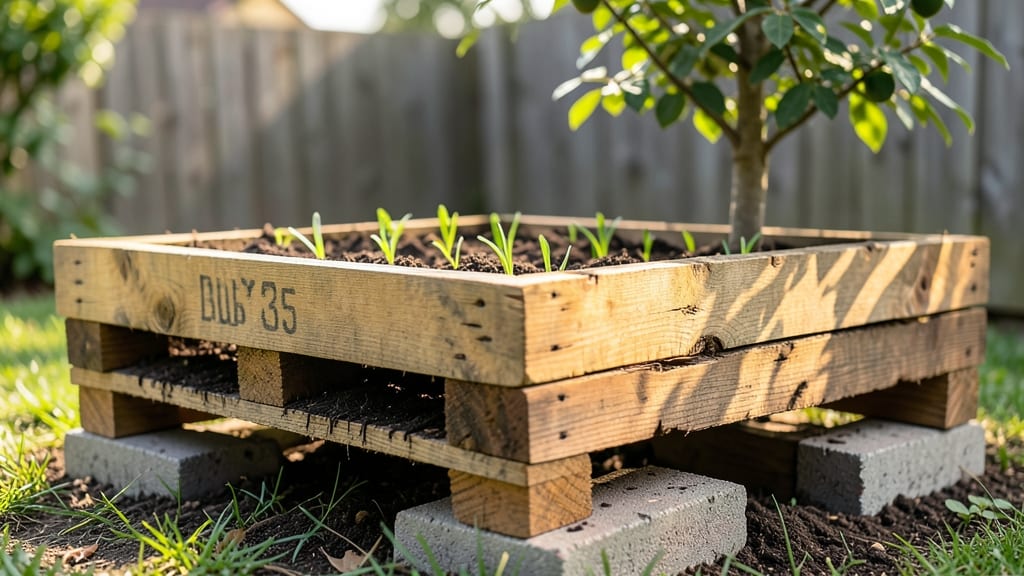
Skip the trip to the lumberyard—pallet wood is your secret weapon for creating sturdy, rustic garden beds at almost no cost. These versatile frames are perfect for beginners or urban gardeners with limited space, offering a low-maintenance solution that adds instant charm to any yard or balcony.
Before building, sand down rough edges and apply a wood preservative to prevent rot, especially if using pallets from unknown sources. Stack two pallets side by side for a standard bed or create a two-tiered design for extra growing space. Fill with a mix of topsoil and compost, and plant fast-growing herbs, lettuce, or strawberries—ideal for small spaces. The rustic look pairs beautifully with potted plants or hanging baskets, making it a standout feature in any garden. 🌱
Cinder Block Edged Planters
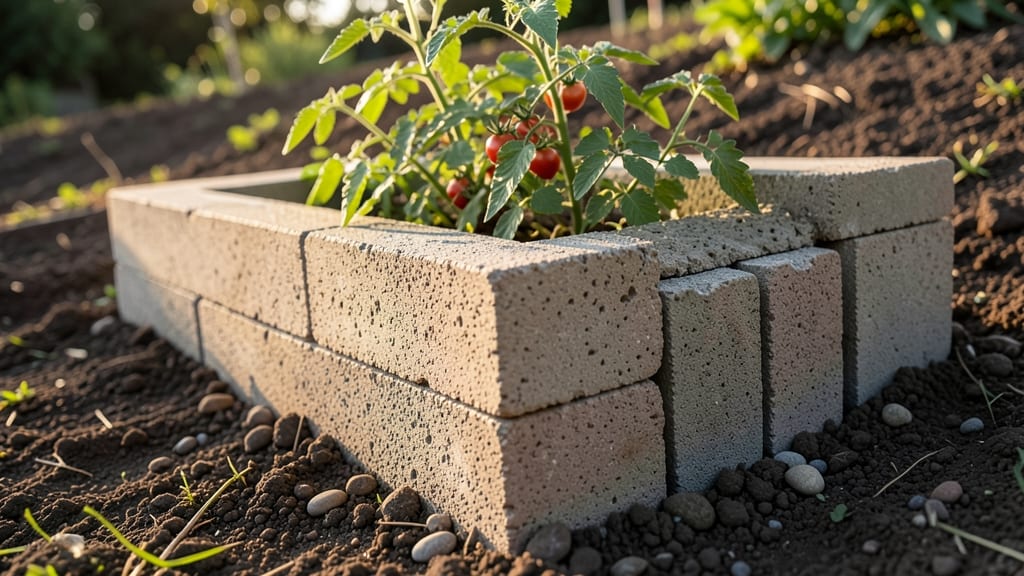
Struggling with heavy clay soil or a sloped yard? Cinder blocks are your secret weapon for creating sturdy, modular planters that outperform traditional raised beds. These lightweight, affordable blocks stack effortlessly to form deep-rooted beds perfect for tomatoes, potatoes, or peppers—plants that demand extra space.
Start by arranging blocks in a rectangle, securing them with landscape fabric to prevent soil spillage. Fill with a mix of topsoil and compost (avoid pure clay) to ensure drainage. The modular design lets you expand beds seasonally or create narrow rows for urban gardens. Plus, their weight keeps beds stable on slopes without sinking into the ground.
This solution is ideal for urban gardeners or beginners who want low-maintenance durability without heavy materials. Your veggie patch will thrive—no backbreaking labor required! 🌱
Old Tire Vertical Garden
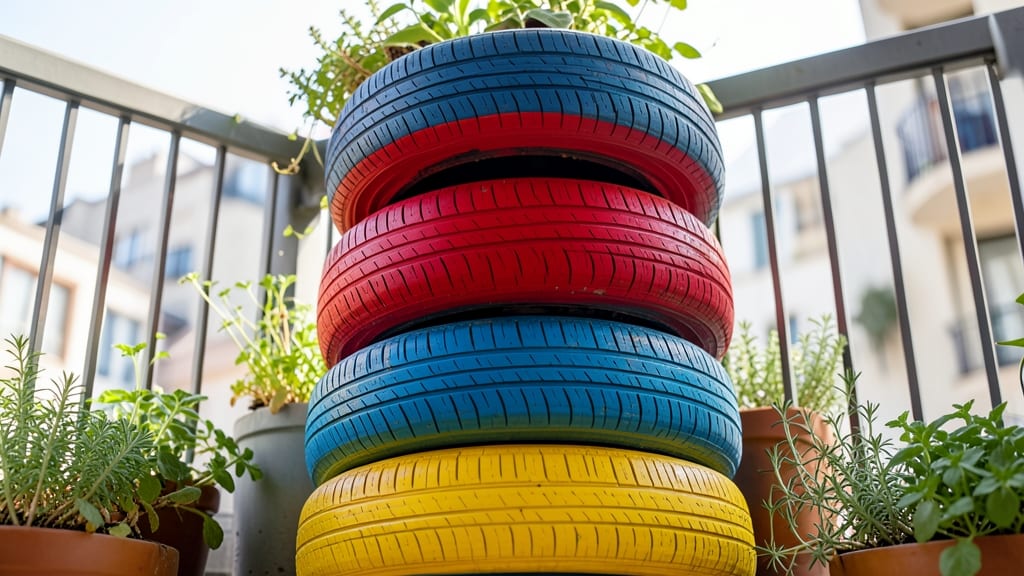
Turn your old tires into a vibrant, space-saving garden that doubles as a conversation piece. Stack them vertically to create a low-maintenance vertical garden perfect for small patios or urban balconies, where every inch counts.
Start by cleaning and painting the tires in bright colors like red, green, or blue to add charm to your outdoor space. Fill each tire with well-draining soil and plant succulents, herbs like thyme or basil, or even shallow-rooted flowers like marigolds. The tires’ shallow depth makes them ideal for plants that don’t need deep soil, and their vertical arrangement maximizes growing space without taking up floor area.
This project is perfect for renters, small-space gardeners, or anyone looking to add a pop of color while growing fresh herbs or flowers. Plus, it’s a fun way to repurpose materials you might otherwise toss out. 💚
Bricks or Pavers Bordered Beds
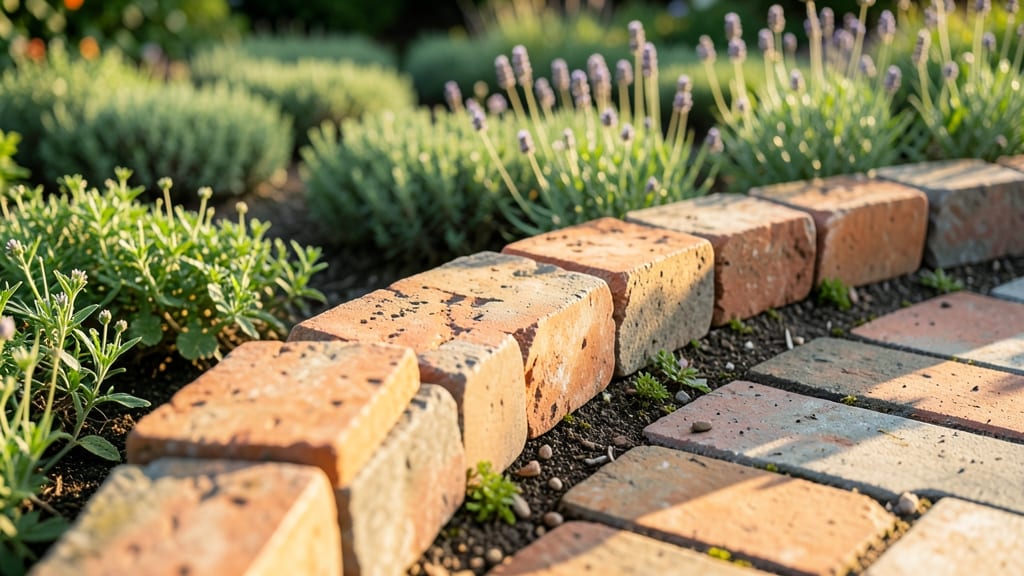
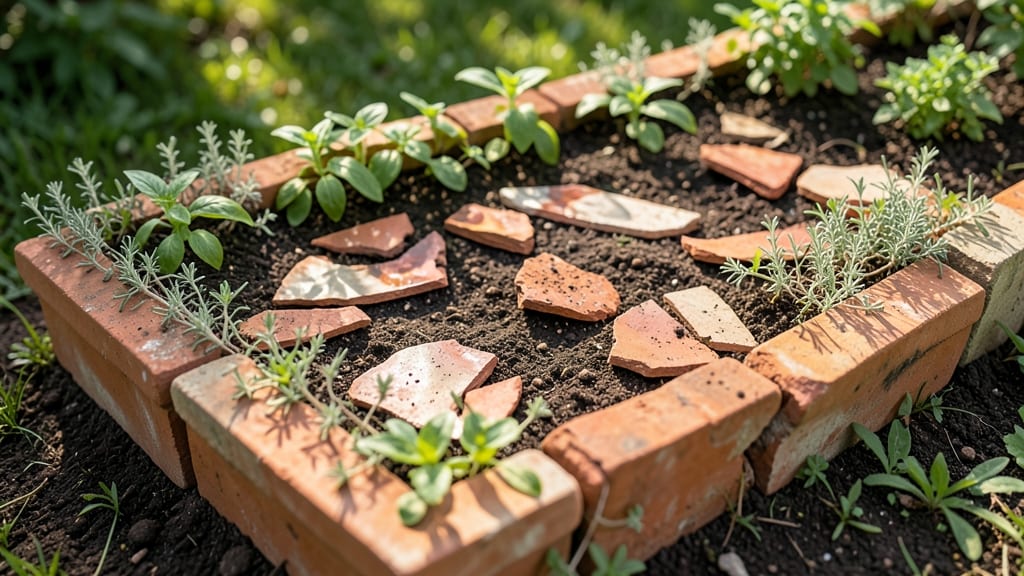
Turn your old bricks or pavers into a stunning, functional garden border that doubles their lifespan while keeping soil in place. This method works beautifully for formal herb spirals or cottage-style gardens where clean lines meet natural charm.
Start by arranging broken bricks or pavers in a curved or straight line around your in-ground bed, slightly angled outward to prevent soil from spilling over. For extra stability, dig them 2-3 inches deep into the ground or secure them with landscape adhesive if needed. This technique also creates micro-habitats for beneficial insects and reduces erosion during heavy rains.
Gardeners with limited budgets or those who love herb spirals will appreciate how this method adds structure without the cost of new materials. Plus, the rustic texture contrasts beautifully with lush greenery. 🌿
Plastic Milk Jug Containers
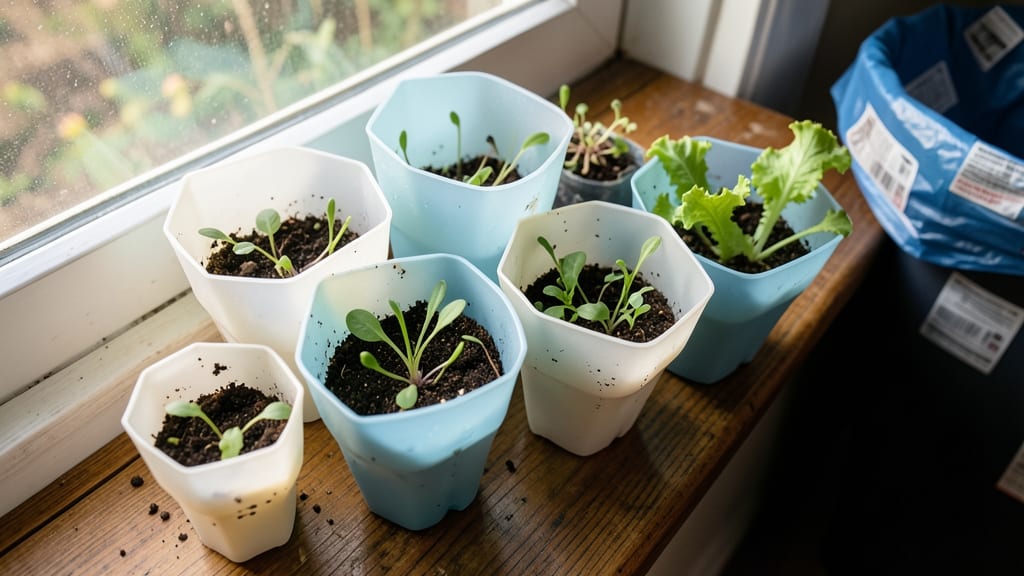
Turn your recycling bin into a seedling sanctuary with plastic milk jugs—one of the most underrated gardening hacks for beginners. These lightweight, transparent containers transform everyday waste into perfect micro-gardens for herbs, lettuce, or flowers, all while giving you a front-row seat to watch roots grow.
Start by cutting the jugs in half (or leaving them whole for deeper-rooted plants), poking drainage holes in the bottom, and filling with well-draining seed-starting mix. The clear plastic lets you check moisture levels and root development without digging, and their portability means you can move them to follow sunlight or protect seedlings from frost. Perfect for small spaces, balconies, or classrooms, these containers also double as teaching tools for kids.
This zero-cost solution is ideal for urban gardeners or anyone who wants to reduce waste while boosting their green thumb. Plus, the versatility means you can grow everything from basil to baby carrots—all in a container that fits in your fridge when harvest time comes. 🌱
Wooden Wine Crate Garden
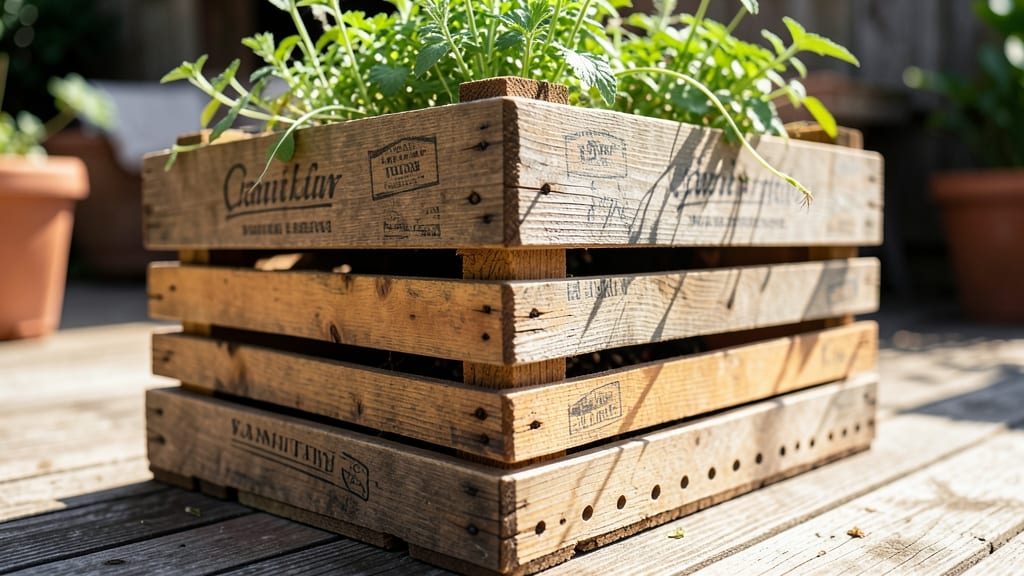
Skip the trip to the garden center—your local wine shop might hold the key to your next portable garden. Empty wooden wine crates, often discarded after a single use, transform into charming tiered beds with minimal effort. Their pre-drilled holes double as drainage, eliminating the need for extra work while keeping roots happy.
Stack crates vertically to create three-dimensional growing space, perfect for shallow-rooted plants like strawberries, lettuce, or herbs. The natural wood adds rustic appeal, and the lightweight design lets you move the garden to follow the sun or protect it from pests. Line the bottom with landscape fabric to prevent soil from spilling through the holes.
This solution shines for urban gardeners with limited space or anyone who loves a project with personality. Plus, your neighbors might just ask where you got the idea! 🌱
Stone or Rock Border Beds
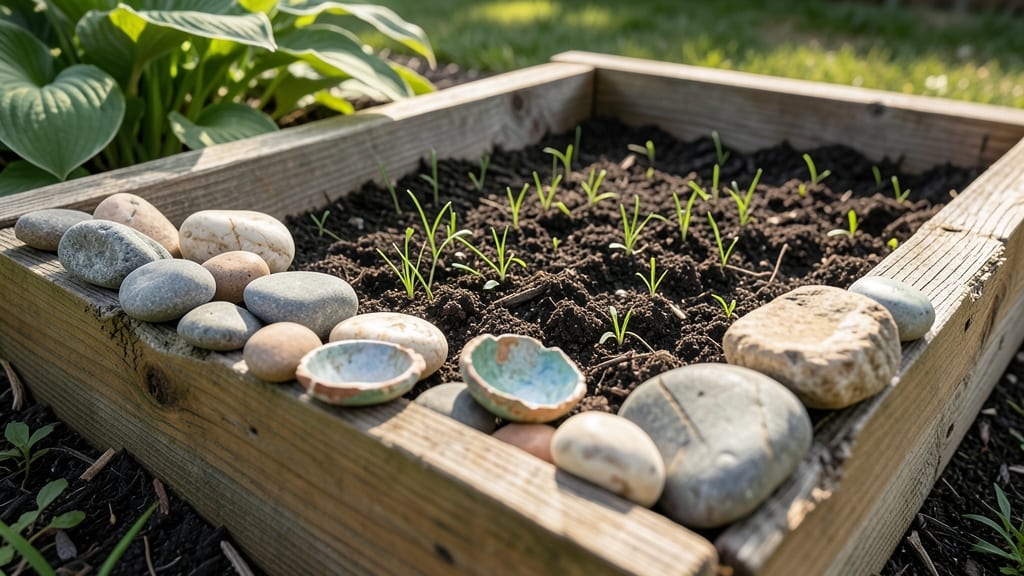
Skip the expensive edging materials—your backyard already has the perfect accents. River rocks, field stones, or even broken pottery can transform a simple garden bed into a stunning, natural feature with zero upkeep. These materials are free or nearly free if you forage locally or repurpose household items.
Arrange stones in a wild, irregular pattern to mimic nature’s own borders, or create a clean, linear look with uniform river rocks. For a whimsical touch, use broken terracotta pots as edging—they add color and texture while keeping weeds contained. This method works for both in-ground and raised beds, blending seamlessly into any landscape.
Perfect for gardeners who love a low-maintenance, organic look, stone borders require only occasional weeding to keep them tidy. They’re especially ideal for small spaces or cottage-style gardens where you want charm without the fuss. 🌿
Fence Panel Garden Bed
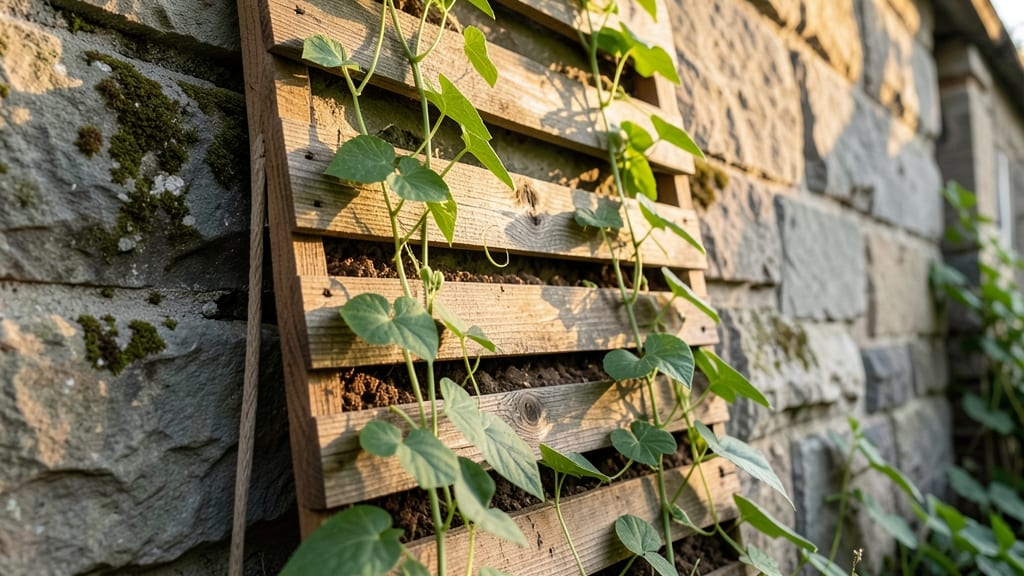
Turn a simple wooden fence panel into a vertical garden that maximizes space without taking up valuable ground room. This clever hack repurposes an often-overlooked yard element into a thriving growing surface for climbing plants like pole beans, peas, or cucumbers.
Lean the panel against a sturdy wall, trellis, or even a freestanding frame, then fill the gaps between slats with well-draining soil. The vertical orientation gives vines room to spread while keeping them off the ground, reducing pest issues. For extra stability, secure the bottom with bricks or stakes, and add a drip irrigation line if your space lacks easy water access.
This solution is ideal for urban gardeners or anyone with limited flat space—it’s free if you already have the panel and transforms neglected corners into productive growing zones. 🌱
Cement Mixer Planters
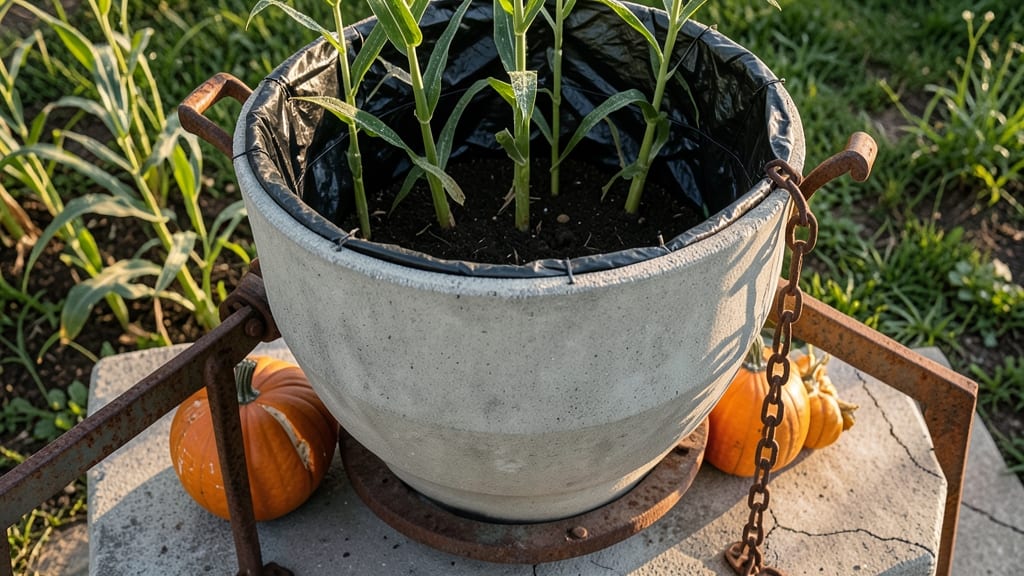
Turn an old cement mixer into a statement planter that can handle your biggest harvests—think pumpkins the size of footballs or towering corn stalks. This industrial-chic solution repurposes heavy-duty equipment into a low-cost, high-capacity growing space that’s perfect for gardeners with ambitious dreams but limited space.
Start by cleaning the mixer thoroughly to remove any residue, then line the bottom with landscape fabric to prevent soil from leaking. Fill with a mix of topsoil and compost (at least 12 inches deep) to support deep-rooted plants. The wide, open mouth makes planting seeds or transplanting seedlings a breeze, while the sturdy sides protect against pests and wind. Place it in a sunny spot with at least 6 hours of sun daily for optimal growth of heat-loving crops.
This idea is a game-changer for urban gardeners with limited ground space or anyone dreaming of growing giant vegetables without the cost of a traditional raised bed. The rustic industrial look also adds a unique focal point to your garden. 🌻
Broken Pot Shard Beds

Turn your broken terracotta pots into a stunning, low-maintenance garden feature with broken pot shard beds. This creative solution transforms discarded pots into a mosaic-style bed that adds texture and charm to small gardens while providing perfect homes for shallow-rooted plants like basil, thyme, or marigolds.
Start by arranging the pot shards in a circular or freeform pattern, slightly burying the edges to secure them. Fill the center with a mix of well-draining soil and compost, ensuring the uneven surfaces create natural drainage. The rustic, earthy look pairs beautifully with Mediterranean or cottage-style gardens, and the low height makes it ideal for edging pathways or adding visual interest near patios.
Urban gardeners and small-space enthusiasts will love how this method maximizes every inch while adding personality. Plus, the porous terracotta helps regulate soil moisture—perfect for drought-tolerant plants. 🌻