
Flowers
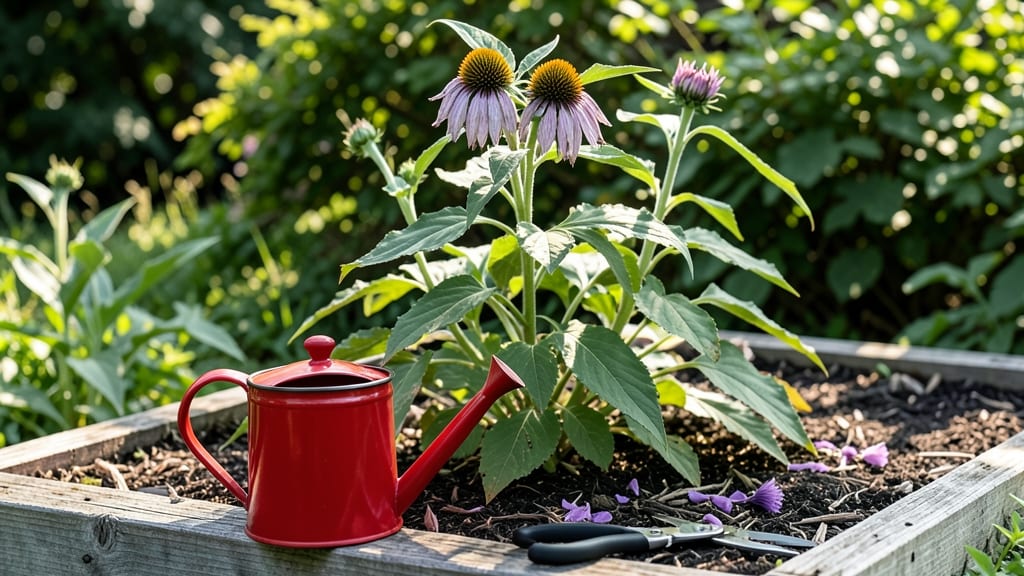
Caring for perennial flowers like lavender and coneflowers doesn’t just mean survival—they flourish with the right care. ✨ I’ve seen my own struggling plants transform into lush, long-blooming powerhouses once I mastered the basics of watering, pruning, and soil prep.
The secret isn’t complicated: it’s about working with their natural resilience, not against it.
Start with the right soil—amend heavy clay or sandy ground with compost to hold moisture while allowing roots to breathe. Most perennials hate soggy feet but need 1 inch of water per week during dry stretches.
Mulch heavily (2–3 inches) to lock in that moisture, and you’ll spend far less time watering. Pruning might seem scary, but cutting back dead stems in early spring and shaping after blooming keeps energy focused on new growth.
By mid-summer, your perennials will reward you with bold, repeat blooms that outlast annuals by years. Lavender stays fragrant and compact, coneflowers self-seed into cheerful drifts, and peonies grow stronger with each passing season.
The best part? Once established, these plants need almost no summer maintenance—just occasional deadheading to keep them flowering.
This approach works for sun-loving varieties in zones 4–9, though shade-tolerant perennials like hostas need slightly different timing. Let’s dive into the exact steps that turn “maybe it’ll survive” into “this is my easiest, most beautiful garden feature.”
📚 In This Guide
- What you need
- Instructions
- Tips and common mistakes
- Wrapping up and next steps
What you need
- ● Perennial flower plants: Choose drought-resistant varieties like lavender, coneflowers, black-eyed Susans, or Russian sage (1–3 plants per square foot, depending on size).
- ● Well-draining soil: Amend clay or heavy soil with compost (1–2 inches) or sand/perlite (10–20%) to improve aeration.
- ● Mulch: Organic mulch (e.g., straw, shredded bark, or pine needles) 2–3 inches deep to retain moisture and suppress weeds.
- ● Drip irrigation or soaker hoses: 1–2 gallons per plant per week during dry spells (adjust for rainfall).
- ● Slow-release fertilizer: Balanced 10-10-10 or low-nitrogen (5-10-10) (1–2 tbsp per plant, applied in early spring).
- ● Hand trowel or transplant spade (for planting/dividing).
- ● Pruning shears (sharp, bypass-style for clean cuts).
- ● Garden gloves (to protect hands from thorns or rough stems).
- ● Watering can or hose with adjustable nozzle (for targeted hydration).
- ○ Optional but helpful: Soil moisture meter (to check drought stress).
- ● Organic pest control (neem oil spray for aphids).
- ● Stakes or cages (for tall perennials like hollyhocks).
- ● Sunlight: 6+ hours of direct sun daily (most drought-resistant perennials thrive in full sun).
- ● Drainage test: Dig a hole, fill with water—if it doesn’t drain in 1 hour, amend soil.
- ● Patience: Perennials establish roots in 1–2 years; minimal watering is key after that!
Step-by-Step guide to cultivating drought-resistant perennial flowers
Here’s the proven approach I’ve used to keep perennials thriving with minimal water—once established, they’ll reward you for years.
🌱 Step 1: Prepare Soil for Deep Root Growth
Start by amending the soil with 3 inches of compost and 1 inch of coarse sand to improve drainage. Perennials hate soggy roots, so break up any compacted soil with a garden fork to encourage deep root penetration. I like to work in a slow-release granular fertilizer (like 10-10-10) at planting time to give them a nutrient boost without overfeeding.
Test the soil’s moisture retention by squeezing a handful—it should hold together but crumble when dry. If it stays clumped, add more sand or perlite. The goal is a loose, airy mix that mimics their natural, drought-adapted habitats.
☀️ Step 2: Plant with Strategic Spacing and Sunlight
Space perennials 12-24 inches apart, depending on the variety, to allow airflow and reduce competition for water. Group plants with similar water needs together—this is called hydrozoning, and it makes irrigation far more efficient. I always plant in the late afternoon to avoid midday sun stress on freshly transplanted roots.
Most drought-resistant perennials thrive in full sun (6+ hours daily), but a few like black-eyed Susans or Russian sage tolerate partial shade. Observe your garden’s microclimates—south-facing beds get the most intense sun, while north sides stay cooler and moister.
💧 Step 3: Water Deeply but Infrequently
After planting, water deeply once a week for the first month to encourage roots to grow downward. Use a soaker hose or drip irrigation to deliver moisture slowly at the base—this prevents wasteful evaporation and fungal issues. You’ll know you’ve watered enough when the soil feels damp 6 inches deep.
Once established (after 2-3 months), reduce watering to every 10-14 days unless your area experiences extreme heat. The key is deep, infrequent watering—this trains roots to seek moisture below the surface, where it’s more stable. Avoid light, frequent watering; it keeps plants shallow and thirsty.
✂️ Step 4: Prune for Health and Water Efficiency
Deadhead spent blooms regularly to redirect energy into root growth rather than seed production. I use clean, sharp pruners to snip just above a leaf node—this encourages bushier, more resilient growth. For perennials like coneflowers or sedum, I leave some seed heads for winter interest but remove them in early spring to prevent self-seeding where unwanted.
In early spring, cut back last year’s growth by one-third to stimulate fresh, vigorous shoots. This also reduces the plant’s surface area, which helps conserve moisture during dry spells. Never remove more than one-third of the foliage at once—this stresses the plant and invites pests.
🪴 Step 5: Mulch to Retain Moisture and Regulate Soil Temp
Apply 2-3 inches of organic mulch (like shredded bark or straw) around the base of plants, keeping it 2 inches away from stems to prevent rot. Mulch acts like a blanket—it slows evaporation, regulates soil temperature, and suppresses weeds that compete for water. I always refresh the mulch layer in early spring as it breaks down over time.
For extra drought protection, top-dress with 1 inch of coarse sand or gravel in the driest months. This reflects sunlight and reduces heat stress on the soil. Avoid synthetic mulches—they don’t break down and can actually trap heat, which is counterproductive in dry climates.
Tips & tricks for perfect drought-resistant perennial care
These seasoned strategies will help you cultivate perennials that thrive with minimal water while preventing common pitfalls that turn gardens into maintenance nightmares.
Soil Prep Secret: In Step 1, don't just add compost and sand—work them into the soil's top 8-10 inches using a broadfork. This creates deep channels for roots to explore, which is crucial for drought resistance. I've seen perennials with roots growing 3 feet deep after just one season of proper soil prep. The key is to break up compacted layers while maintaining that loose, airy texture we want.
Planting Timing Strategy: The late afternoon planting window in Step 2 is non-negotiable for tender perennials. If you must plant during peak sun, shade the newly planted area with a cloth for the first 24 hours. I learned this the hard way when my Russian sage plants wilted dramatically after midday transplanting—even though they're drought-resistant, they still need time to recover from transplant shock.
Watering Technique: When watering deeply in Step 3, focus on the soil's moisture profile—not just the surface. Use a trowel to check 6 inches down; the soil should feel uniformly damp, not just wet at the surface. I've found that watering in the early morning (before 8 AM) reduces evaporation losses by up to 30% compared to afternoon watering. This makes all the difference during heatwaves.
Mulch Layering: For Step 5's mulching, consider a two-layer system: start with 1 inch of coarse sand or gravel (as mentioned) to reflect heat, then add your 2-3 inches of organic mulch. This combination keeps roots cooler while preventing moisture loss. I've noticed that perennials under this system handle summer droughts with significantly less stress than those with single-layer mulch.
Pro Tips for Caring For Perennial Flowers
- These seasoned strategies will help you cultivate perennials that thrive with minimal water while preventing common pitfalls that turn gardens into maintenance nightmares.
- Soil Prep Secret: In Step 1, don't just add compost and sand—work them into the soil's top 8-10 inches using a broadfork.
- Planting Timing Strategy: The late afternoon planting window in Step 2 is non-negotiable for tender perennials.
Frequently asked questions
Got questions about keeping your perennials thriving? You’re not alone!
Here are answers to the most common concerns—from watering woes to winter prep—so your garden stays vibrant year after year.
How often should I water drought-resistant perennials?
Once established (after 1–2 years), most drought-tolerant perennials need water only 1–2 times per week during dry spells. Newly planted perennials require deep watering 2–3 times per week to encourage root growth. Always water early in the morning to reduce evaporation and fungal risks.
Do perennials need winter protection?
Most hardy perennials (like coneflowers or black-eyed Susans) survive winter with mulch (2–3 inches of straw or leaves). Tender perennials (e.g., lavender) may need extra mulch or burlap wraps in freezing climates. Cut back dead foliage in late winter to prevent disease.
Can I divide perennials to save money?
Dividing perennials every 3–4 years rejuvenates growth and gives you free plants. Do it in early spring or fall, dig up clumps, and separate roots with a knife. Replant divisions immediately for the best success.
How do I keep pests away from my perennials?
Prevent pests with healthy soil (rich in compost) and neem oil sprays for early signs of aphids or slugs. Companion planting (e.g., marigolds near roses) deters pests naturally. Remove infested leaves promptly to stop spread.
What’s the best fertilizer for perennials?
Use a balanced, slow-release fertilizer (like 10-10-10) in early spring. For blooms, opt for a phosphorus-rich formula (5-10-5). Avoid over-fertilizing—perennials thrive with less than annuals! Compost is a great organic alternative.
Still stumped? Drop your question in the comments—we’re happy to help!
Wrapping up and next steps
Caring for perennial flowers doesn’t have to be complicated—with the right drought-resistant strategies, they’ll reward you with year after year of vibrant blooms! 🌸 From choosing the perfect plants to mastering watering techniques, every step builds resilience and beauty.
Now that you’re armed with these secrets, it’s time to roll up your sleeves and give your garden the love it deserves.
Ready to see your perennials thrive? Start by planting one or two drought-tolerant varieties this season, then expand as you gain confidence. Happy gardening—your future blooms will thank you! 🌿✨