
Light Requirements
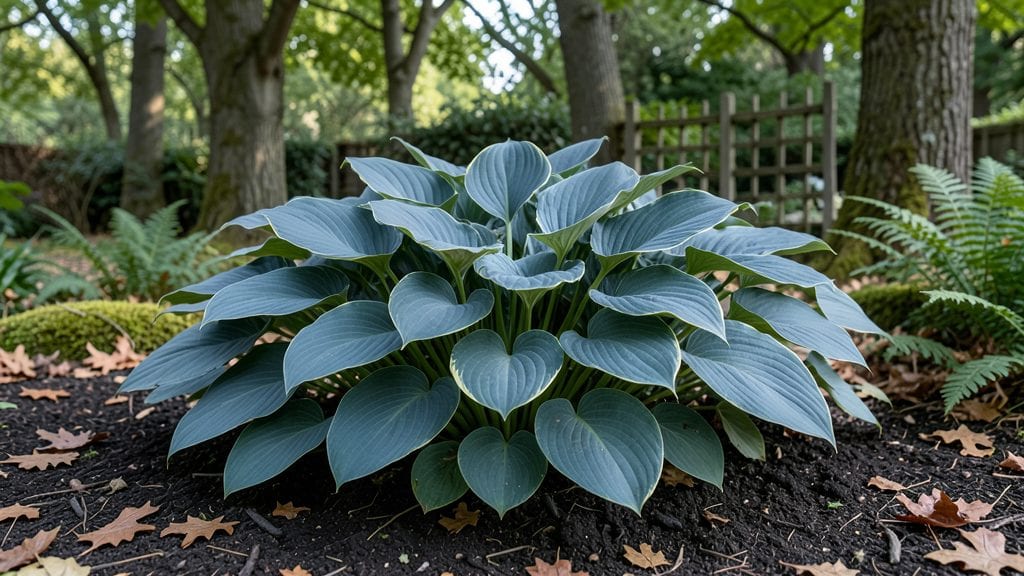
Low light perennial flowers prove you don’t need full sun for a garden that pops all season long. 🌿 I’ve filled shady spots with plants that thrive where others fail, creating lush borders under trees and vibrant patches on north-facing walls that neighbors envy.
The key isn’t forcing sun-loving plants to struggle—it’s choosing the right perennials that naturally love shade.
Hostas, astilbes, and ferns top the list for reliable shade performance, but there are plenty of lesser-known gems too. You’ll need rich, well-draining soil (think compost mixed into your native dirt) and consistent moisture—these plants hate drying out.
Most varieties grow best in partial shade (3-6 hours of light) but will tolerate deeper shade if you pick the right species for your conditions.
What you’ll end up with is a garden that stays green and colorful even when summer sun fades. The foliage stays velvety and deep green all season, and blooms like purple astilbe or white foamflower add delicate texture.
These perennials also spread over time, filling in bare spots naturally without needing replanting.
Works equally well in woodland gardens, city courtyards, or under large trees where sunlight barely reaches. The secret is matching plants to your specific shade level—here’s how to do it right from the start.
📚 In This Guide
- What you need
- Instructions
- Tips and common mistakes
- Wrapping up and next steps
What you need
- ● Low-light-tolerant perennial plants: 3–5 varieties (e.g., Hosta, Astilbe, Hellebore, Lungwort, or Foxtail Fern). Choose based on your zone and soil type.
- ● High-quality potting soil or garden soil: 1–2 cubic yards (amend with compost for better drainage).
- ● Organic mulch: 2–3 inches (e.g., shredded bark or wood chips) to retain moisture and suppress weeds.
- ○ Slow-release fertilizer (optional but recommended): 10–20 lbs (look for a balanced formula like 10-10-10 or one high in phosphorus for root growth).
- ● Garden trowel or hand shovel: For planting and soil prep.
- ● Pruners or shears: Sharp, clean pair for trimming dead foliage.
- ● Garden gloves: A pair to protect your hands from thorns or rough soil.
- ● Watering can or hose with a gentle spray nozzle: Low-light plants need consistent moisture.
- ● Measuring tape or ruler: To space plants 12–24 inches apart (check plant tags for specifics).
- ○ Wheelbarrow (optional): For hauling soil or mulch.
- ● Location assessment: Identify areas receiving less than 4–6 hours of direct sunlight daily (e.g., under trees, north-facing walls, or dense shrubs).
- ○ Soil test (optional but helpful): Check pH (most perennials prefer 6.0–7.0) and nutrient levels at a local extension office or with a DIY kit.
- ● Drainage check: Ensure your planting area isn’t soggy—low-light plants hate "wet feet."
Step-by-Step guide to planting low light perennial flowers
Here's how to create a thriving shade garden with perennials that bloom reliably year after year.
🌱 Step 1: Select the Right Low Light Perennials
Start with proven shade-tolerant varieties like hostas, heucheras, astilbes, and bleeding hearts. These thrive in 2-4 hours of morning sun or dappled light. I always check the mature plant height—taller varieties (like 3-4 feet) go at the back, while 6-12 inch plants fill the front. Mix textures too: broadleaf hostas contrast beautifully with feathery astilbes.
Skip sun-loving perennials like daylilies or coneflowers—they'll yellow and wilt in low light. Instead, focus on plants that naturally grow under trees or in woodland gardens. Your local nursery's shade section is your best friend here.
🪴 Step 2: Prepare the Planting Site
Clear the area of weeds and loosen the soil to a depth of 12 inches using a garden fork. Low light gardens need well-draining soil, so amend heavy clay with 2-3 inches of compost and a handful of perlite per square foot. I like to work in a 5-10% sand mix if my soil stays soggy after rain.
Test moisture levels before planting: dig a 6-inch hole and fill it with water. If it drains in under 30 minutes, your soil is too sandy—add more compost. If water pools after 2 hours, improve drainage with raised beds or containers. Perennials hate wet feet.
☀️ Step 3: Plant with Proper Spacing and Depth
Dig holes twice as wide as the root ball but only 1 inch deeper than the container's base. Gently remove plants from pots and tease apart any circling roots with your fingers. Place each plant so the top of the root ball sits ½ inch below soil level—this prevents crown rot in winter.
Space perennials according to their mature width: 12-18 inches apart for 1-foot plants, 2-3 feet for 2-3 foot varieties. I always sketch a simple layout first to avoid overcrowding. Water each hole deeply before planting to settle the soil and eliminate air pockets around roots.
💧 Step 4: Water and Mulch for Long-Term Success
Water thoroughly after planting, then again every 2-3 days until new growth appears. Low light perennials need consistent moisture but hate soggy soil. Use a rain gauge to track 1 inch of water per week—adjust based on rainfall. I water in the morning so leaves dry quickly, preventing fungal diseases.
Spread 3 inches of mulch around plants (but not touching stems) using the shredded bark mulch. This conserves moisture, suppresses weeds, and regulates soil temperature. Refresh mulch annually in early spring. You'll notice fewer weeds and more blooms once the mulch layer stabilizes.
Tips & tricks for perfect low light perennial gardens
Here's what I learned after years of creating shade gardens that thrive with minimal sunlight.
Plant Selection Insight: When choosing your shade-tolerant perennials from Step 1, look for plants labeled "part shade" or "full shade" at the nursery. The 2-4 hours of morning sun recommendation is ideal, but some varieties like hostas can handle even less light. I've found that heucheras with their stunning foliage colors actually prefer less light than the astilbes, which appreciate a bit more brightness to encourage their feathery plumes. Mixing these textures creates visual interest even when flowers aren't blooming.
Soil Prep Strategy: In Step 2, don't skip the moisture test - it's the secret to preventing soggy soil that perennials hate. For clay-heavy soils, I've had great success adding 50% compost and 50% coconut coir instead of sand, as it improves moisture retention while still providing good drainage. The 12-inch deep loosening is crucial because shallow roots in compacted soil can't access nutrients properly. Consider renting a broadfork if your garden is large - it's more effective than a shovel for this depth.
Planting Depth Technique: The ½ inch below soil level placement in Step 3 might seem minor, but it's what prevents crown rot during winter rains. I use a small wooden stake to mark this depth before planting each group. For container-grown plants, gently squeeze the root ball to check if it's compacted - if it is, make a few vertical cuts with a knife to encourage root spread. This helps compensate for the 12-18 inch spacing that might feel tight when plants mature.
Watering Wisdom: The 1 inch per week guideline in Step 4 works well, but I've found that morning watering is even more important in shady areas where leaves stay damp longer. Consider installing a simple drip irrigation system on a timer - it delivers consistent moisture without the risk of overhead watering promoting fungal diseases. And remember, the 3 inches of mulch should be refreshed every spring, but don't pile it against stems - keep it 2 inches away to prevent rot.
Pro Tips for Low Light Perennial Flowers
- Here's what I learned after years of creating shade gardens that thrive with minimal sunlight.
- Plant Selection Insight: When choosing your shade-tolerant perennials from Step 1, look for plants labeled "part shade" or "full shade" at the nursery.
- Soil Prep Strategy: In Step 2, don't skip the moisture test - it's the secret to preventing soggy soil that perennials hate.
Frequently asked questions
Got questions about growing low-light perennials? You’re not alone!
Here are answers to the most common queries to help you create a thriving, shade-friendly garden with ease.
What are the easiest low-light perennials for beginners?
Start with hardy, low-maintenance picks like Heuchera (coral bells), Hosta, or Astilbe. These tolerate shade well, require minimal fuss, and bloom reliably. For extra resilience, Lamium (dead nettle) and Ferns thrive in shady spots with little care.
How do I know if my perennials need more light?
Watch for leggy stems, pale or yellowing leaves, or fewer blooms—all signs they’re stretching for light. Move plants gradually to a slightly brighter spot (but avoid harsh afternoon sun). Most low-light perennials prefer 2–4 hours of dappled sun daily.
Can I grow low-light perennials in containers?
Use well-draining soil and containers with drainage holes. Opt for smaller varieties like Dwarf Hosta or Miniature Astilbe. Rotate pots occasionally for even light exposure, and water consistently—containers dry out faster than garden beds.
Do low-light perennials need extra care in winter?
Most cold-hardy perennials (like Hellebores or Lungwort) survive winter with mulch (2–3 inches) to protect roots. Avoid heavy pruning until spring—leave dead foliage for insulation. Evergreens like Ivy may need occasional watering if drought persists.
What’s the best way to add color to a dark corner?
Layer plants by height and color! Try bright foliage (e.g., Heuchera ‘Palace Purple’) at the front, medium-height bloomers (e.g., Astilbe) in the middle, and tall grasses (e.g., Carex) at the back. Mix textures for depth—leathery leaves + feathery blooms = drama!
Why aren’t my low-light perennials blooming?
Blooms often fade in deep shade. Boost flowers by:
- Adding a reflective surface (mirror or light-colored wall) to bounce light.
- Choosing flower-focused perennials like Impatiens or Bleeding Heart.
- Fertilizing lightly in spring with low-phosphorus food (focus on foliage health).
Wrapping up and next steps
Transforming shady spots into vibrant gardens is easier than you think! With the right low light perennial flowers, you can enjoy year-round color without sacrificing beauty or effort.
These resilient plants prove that even the darkest corners of your yard can thrive—just pick the perfect species and give them a little TLC.
Ready to take the next step? Start by sketching a simple garden layout or browsing local nurseries for your top picks. Whether you’re revamping a dim patio or brightening a woodland edge, your low-light garden is just a few bulbs and seeds away! 🌿✨