
Flowers
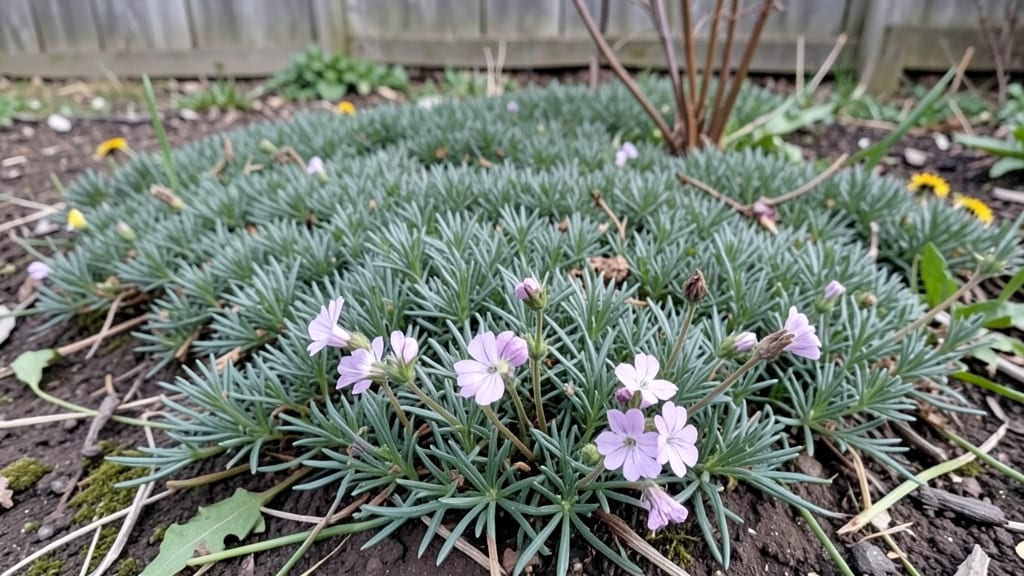
Creeping phlox perennial flowers 🌸 bring a burst of color and fragrance to your garden before most spring blooms even think about waking up.
Imagine waking up to a ground-level explosion of color and fragrance—creeping phlox transforms your spring garden into a fragrant carpet before most perennials even stir. This low-growing, sun-loving plant thrives in USDA Zone 6a and delivers three-season interest with minimal effort, making it perfect for pollinator gardens and rockeries.
Whether you're a beginner or a seasoned gardener, creeping phlox is one of the easiest perennials to grow. Plant them in March or April for a stunning display that starts as early as April and can last well into May.
With the right care, you'll have a vibrant, low-maintenance garden that attracts bees and butterflies all season long.
In this guide, you'll learn everything from planting tips and sunlight requirements to pruning advice and common care practices. Let's get your garden ready for a fragrant, colorful spring show that will be the envy of the neighborhood!
How to grow creeping phlox: planting, sunlight, and soil secrets
Creeping phlox is one of the easiest perennials to grow, offering three months of vibrant blooms with almost no fuss. The secret lies in mimicking its natural habitat—well-draining soil, bright sunlight, and just enough moisture to keep roots happy without drowning them.
I’ve planted creeping phlox in everything from rock gardens to slope edges, and these simple steps ensure it thrives in any spot you choose.
Unlike its taller cousins, creeping phlox spreads horizontally, creating a lush ground cover that pollinators adore. The key to success starts with preparing the soil and choosing the perfect location. Skipping these steps can lead to floppy stems or sparse blooms—something you definitely want to avoid with this showstopper.
Let’s dive into the exact method I use to get creeping phlox off to a healthy, blooming start.
Step-by-Step Planting Guide for Creeping Phlox
-
Step 1: Choose Your Spot
Select a location with full sun to partial shade (6+ hours of sunlight daily). Creeping phlox tolerates partial shade but blooms most prolifically in full sun. -
Step 2: Test and Amend Soil
Aim for a pH of 6.0-7.0. If your soil is too acidic, mix in lime (1 lb per 100 sq ft). For heavy clay, blend in compost or sand to improve drainage. -
Step 3: Dig and Space Plants
Dig holes twice as wide as the root ball but only as deep. Space plants 6-12 inches apart—closer for a denser carpet, wider for individual clumps. -
Step 4: Plant and Water Deeply
Place plants in holes, backfill with soil, and water thoroughly to settle roots. Avoid compacting soil around the base—this can suffocate roots. -
Step 5: Mulch Lightly
Apply a 1-inch layer of mulch (straw or shredded bark) to retain moisture and suppress weeds. Keep mulch 2 inches away from stems to prevent rot.
Once planted, creeping phlox is remarkably low-maintenance, but the first year is critical for establishing a strong root system. I always follow a seasonal care calendar to ensure my plants get the right treatment at the right time.
For example, spring fertilization encourages lush growth, while summer watering adjustments prevent stress during heatwaves. Let’s break down what to do each season to keep your creeping phlox thriving.
In spring, focus on removing dead foliage from last year and applying a light fertilizer (5-10-10) when new growth appears. This jumpstarts blooming and ensures your phlox puts energy into flowers rather than leaves.
I’ve found that early spring pruning—cutting back any leggy stems—also promotes a bushier, more compact plant. Just avoid pruning too late in the season, as this can delay next year’s blooms.
During summer, creeping phlox often enters a dormant phase, especially in hot climates. Reduce watering to every 10-14 days unless your soil is sandy (then water weekly). Overwatering in summer is a common mistake that leads to root rot.
If your phlox starts to look tired, a light trim after the first flush of blooms can encourage a second, smaller wave of flowers in late summer.
As fall approaches, stop fertilizing entirely and focus on cleaning up spent blooms to keep the garden tidy. Creeping phlox is hardy in zones 3-8, so it typically survives winter with minimal protection.
However, in colder zones, a 2-inch layer of mulch can shield roots from freezing temperatures. I’ve never lost a creeping phlox to winter, but this extra step gives me peace of mind during harsh winters.
Finally, early spring is the perfect time to assess your creeping phlox’s health. Look for new growth and pests like slugs or aphids. If you notice any yellowing leaves, it could signal overwatering or poor drainage—both easy fixes with better soil prep next year.
With the right care, your creeping phlox will reward you with years of effortless color and fragrance.
Creeping phlox is a pollinator magnet, attracting bees and butterflies from early spring through summer. To maximize its benefits for your garden ecosystem, avoid using pesticides and let the flowers do their job.
The more you grow, the more wildlife will visit—it’s a simple but powerful way to support local biodiversity. Plus, the fragrance alone makes it worth the effort!
3 Stunning creeping phlox color varieties and their best uses
Creeping phlox comes in a dazzling palette, but three varieties steal the show with their vibrant hues and adaptable uses. Whether you crave bold purple, soft pink blushes, or crisp white elegance, each variety offers unique landscaping potential.
Let’s explore how to choose the perfect shade for your garden’s color scheme and design goals.
The 'Meteor' variety dazzles with its deep purple blooms that attract hummingbirds and bees in late spring. Its intense fragrance makes it ideal for rock gardens and border edges, where its 6-inch spread creates a lush, cascading effect.
This variety thrives in full sun and well-draining soil, making it perfect for drought-prone areas once established.
For a softer aesthetic, 'Sherwood Purple' delivers lavender-pink blooms with a gentler fragrance than 'Meteor'. It blooms slightly later, in early summer, and pairs beautifully with purple coneflowers or silver foliage plants.
Its spreading habit makes it a star in sloped gardens or ground covers, where it prevents erosion while adding color.
If you prefer a clean, modern look, 'Blue Ridge' offers pure white blooms that stand out against dark mulch or evergreen shrubs. This variety is highly fragrant and blooms earlier than others, making it ideal for container gardens or pollinator-friendly borders.
Its compact growth (4-6 inches tall) suits small spaces or window boxes.
To maximize blooms, prune creeping phlox right after its first flush of flowers. This encourages a second bloom in late summer, extending your garden’s seasonal interest. Use sharp shears to trim back 1/3 of the plant while leaving healthy foliage for photosynthesis.
For long-term success, mulch around your creeping phlox with 2-3 inches of organic mulch (like shredded bark) to retain moisture and suppress weeds. This variety is deer-resistant, making it a low-maintenance choice for rural gardens or woodland edges.
Pair it with low-growing perennials like ajuga or heuchera for a textured, layered look.
No matter which variety you choose, creeping phlox delivers year-after-year color with minimal fuss. Plant it in groups of 5-7 for a bold impact, or scatter single plants along walkways for a whimsical touch.
With its fragrance and pollinator appeal, this perennial is a garden essential for any season.