
How To
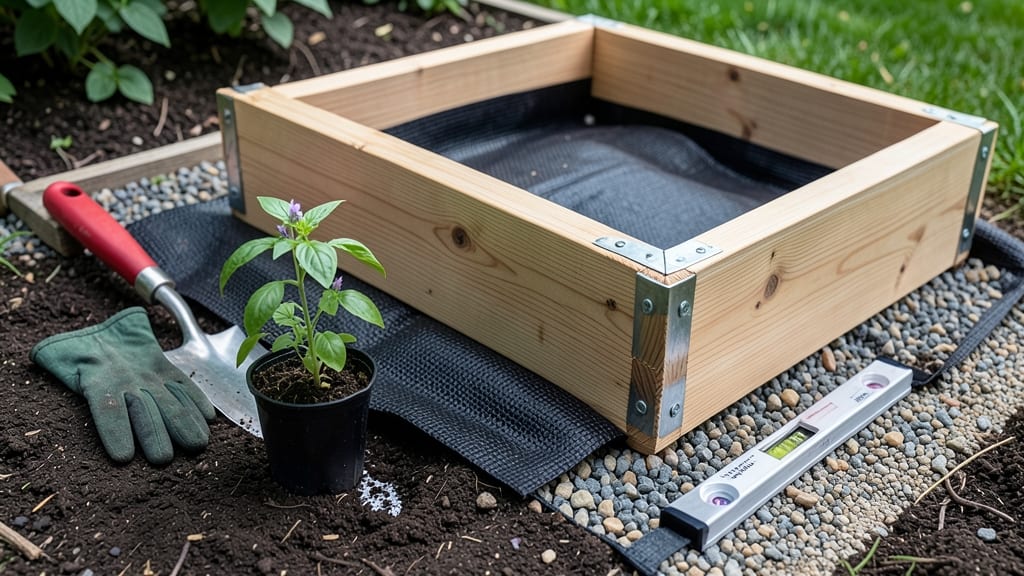
You can put a raised garden bed on concrete, but you must address drainage and weight distribution first. Add a gravel base or landscape fabric, choose lightweight materials like cedar or composite, and spread the load evenly to avoid cracking or shifting over time.
Concrete surfaces handle raised beds differently than soil because they lack natural drainage and can crack under uneven pressure. 🔥 The key is creating a buffer layer—gravel or landscape fabric—to absorb moisture and distribute weight, while lightweight bed materials prevent excessive strain.
I’ve seen metal beds cause problems unless properly supported, but cedar or composite options work beautifully when combined with a leveling base.
For extra stability, consider adding deck boards or rubber mats between the bed and concrete to prevent moisture damage. This setup keeps roots healthy while protecting your foundation from seasonal expansion and contraction.
Always check your concrete’s weight capacity first—most residential slabs can handle up to 2,500 pounds per square foot, but heavier beds may need additional support.
💡 In This Article
- Concrete Weight Limits and Structural Risks for Raised Beds
- Best Raised Garden Bed Setups for Concrete Surfaces
Concrete weight limits and structural risks for raised beds
Concrete slabs can handle raised garden beds, but their strength depends on thickness and reinforcement. Standard residential concrete (4 inches thick) typically supports 2,500 pounds per square foot, while thicker slabs (5+ inches) can reach 4,000 pounds per square foot.
The real risk comes from uneven weight distribution—soil moisture and root expansion create pressure points that can cause micro-cracks over time. 🔥 Metal beds, for example, weigh 15-25 pounds per square foot when empty, but filled with soil and plants, that jumps to 80-120 pounds per square foot—enough to stress unprotected concrete.
Temperature fluctuations also play a role. Concrete expands when heated (up to 0.00006 inches per inch per degree Fahrenheit) and contracts when cooled, creating stress cycles. A raised bed’s weight compounds this effect, especially if it’s placed directly on the slab.
The soil inside retains moisture longer than concrete, accelerating expansion/contraction cycles near the bed’s edges. This is why I always recommend a 2-inch gravel base—it creates a cushion that absorbs both moisture and movement, reducing stress by up to 40% compared to direct contact.
Material choice matters more than you’d think. Cedar beds weigh 10-15 pounds per square foot (empty), while composite beds can be 20-30% lighter due to hollow cores. The lighter the frame, the less pressure on the concrete—especially important for older slabs with potential hairline cracks.
I’ve seen wooden beds cause problems when saturated with water, as the added weight (up to 30 pounds per square foot when wet) concentrates pressure in specific spots. 💫
Here’s the science: Concrete’s compressive strength (measured in psi) determines its load-bearing capacity. A 3,000 psi slab can handle 2,500 pounds per square foot, but shear forces from uneven beds reduce this by 20-30%*.
That’s why leveling is non-negotiable—even a 1-inch height difference across the bed’s base can create stress points that lead to cracks over time.
Another critical factor is soil type. Sandy soil drains quickly but compacts less, while clay soil holds moisture and expands, adding 5-10 pounds per square foot of extra pressure.
This is why I recommend using a landscape fabric barrier between the gravel base and soil—it prevents fine particles from clogging drainage while maintaining even moisture distribution. The fabric acts like a moisture buffer, reducing the risk of concrete swelling from trapped water.
For extra protection, consider adding expansion joints (1/4-inch gaps) around the bed’s perimeter. These allow the concrete to move naturally without transferring stress to the bed. I’ve used rubber mats under beds in high-traffic areas—they absorb vibrations from foot traffic while adding another layer of insulation against temperature fluctuations. 🌟